
Georgia, a nation at the meeting point of Europe and Asia, is a hidden treasure with its breathtaking scenery, fascinating history, and dynamic culture.
Every traveler may find something to enjoy in Georgia, from the imposing Caucasus Mountains to the verdant vineyards of Kakheti and the black sea at Batumi. The population of this culturally diverse nation is 3,7 million, while the energetic Tbilisi capital of Georgia with 1,1 million people, can guarantee you a genuine cultural experience.

Georgia captivates with its diverse landscapes, rich cultural heritage, warm hospitality, and longest tradition in winemaking in the world. Whether you’re savoring the flavors of Georgian cuisine, exploring ancient monasteries, or trekking through the mountains, Georgia promises an unforgettable adventure.
This article covers essential information, must-see destinations, the often-chaotic transportation system, lodging options, and a guide to local cuisine featuring a list of the Top 10 restaurants in Georgia.
ESSENTIAL INFORMATION:
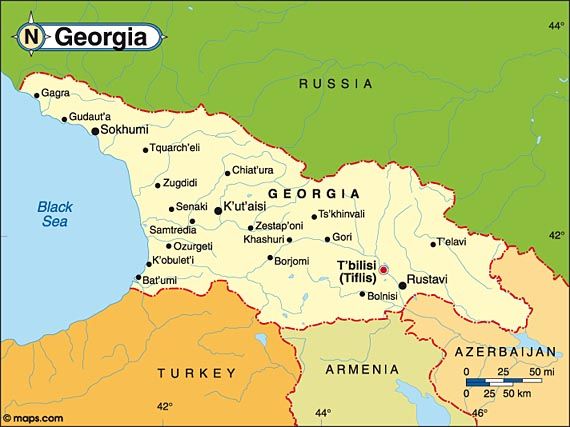
- Georgia shares its BORDERS with four countries: Russia to the north, Azerbaijan to the southeast, Armenia to the south, and Turkey to the southwest.
- Georgia provides excellent SAFETY. Day or night, you may stroll wherever. You’ll be safe as long as you remain mindful of your surroundings and your possessions when traveling.
- I strongly advise keeping MOBILE DATA on hand at all times. You have two options: purchase a physical SIM card or use E-SIM, which is simpler and allows you to be prepared when you arrive at the airport in Georgia. I suggest you the AIRALO APP for worry-free internet browsing (register HERE to receive a 15% discount on your first purchase or use code KATJA6523). It was effective for me everywhere I went (South America, Europe, and even the Kazbegi Mountains in Georgia).
- There is a primary AIRPORT in Tbilisi and a second one in Kutaisi. I do recommend flying to Tbilisi since you have more international connections. From the airport you can easily take BOLT to your accommodation, even in the middle of the night, as it is very safe and affordable (the ride from the airport to the city center of Tbilisi is around 24 GEL/8 €/9 $. You will need 20 to 25 minutes (around 17 km) to go from the Tbilisi airport to the city center. If you’d rather have someone waiting for you at the airport, book here. Another great option for your airport transfer is the GoTrip website, where you can book a driver in advance who will be waiting for you upon arrival (price around: 50 GEL/17 €/18 $). You can use this type of transport to reach any city in Georgia.
- The CURRENCY Georgia is using is called the Georgian Lari (GEL). 1 GEL equals 0,33 EUR and 0,36 US Dollar. You can exchange euros or dollars at any exchange house. If you have cards like Revolut or N26, you will have no problem going to the cash machine or paying in restaurants. Do have some Laries all of the time with you in case you can pay only with cash or they can take only Mastercard. For withdrawals, I recommend Georgian Bank, their cash machines are everywhere and working well (almost at every bus station, in the middle of the street, and in front of the shops).
- In Georgia, LANGUAGE is Georgian, which is a mixture of Russian, Arabic, and Armenian. It is written in Georgian script, but they also have alphabetic signs for the tourists. The majority speak Russian and English.
- When is the best TIME TO VISIT depends on what you are up to. December to March is the active ski season, October is best for hikers, and June to September is the best time to go to the beach (Black Sea in Batumi). I chose May because it offered me everything except skiing. Do not worry, you can do wine tastings all year round. But the wine season starts in September if you want to participate in the winemaking process.
- I have to tell you that GOOGLE MAPS will disappoint you. It does not work well or right. The working hours and position of the houses are wrong in 80% of the cases. So if you are looking for a recommended restaurant, it can already be moved to another location. If you are lost, ask around. The Georgian people would be happy to help.
- How much TIME TO SPEND in Georgia? It would be ideal to have 8-10 full days.
- ELECTRICITY PLUG-IN in Georgia is the same as in Europe. Plug types C and F are used, and it operates on a 220V supply voltage and 50Hz.
- TIPPING in restaurants, bars, and taxis is not mandatory in Georgia, while it is certainly appreciated (on the bill is normally written a 10% tip, but it goes to the bar owners for the broken cutlery, glasses, etc.). If you are satisfied with the service, leaving a 5-15% tip would be enough).
- ENTRY REQUIREMENTS can differ from country to country. For EU passangers, visas are not required, and can stay inside the country for a full year. Generally, you will need only your passport. For all the other countries, please check here for the requirements.
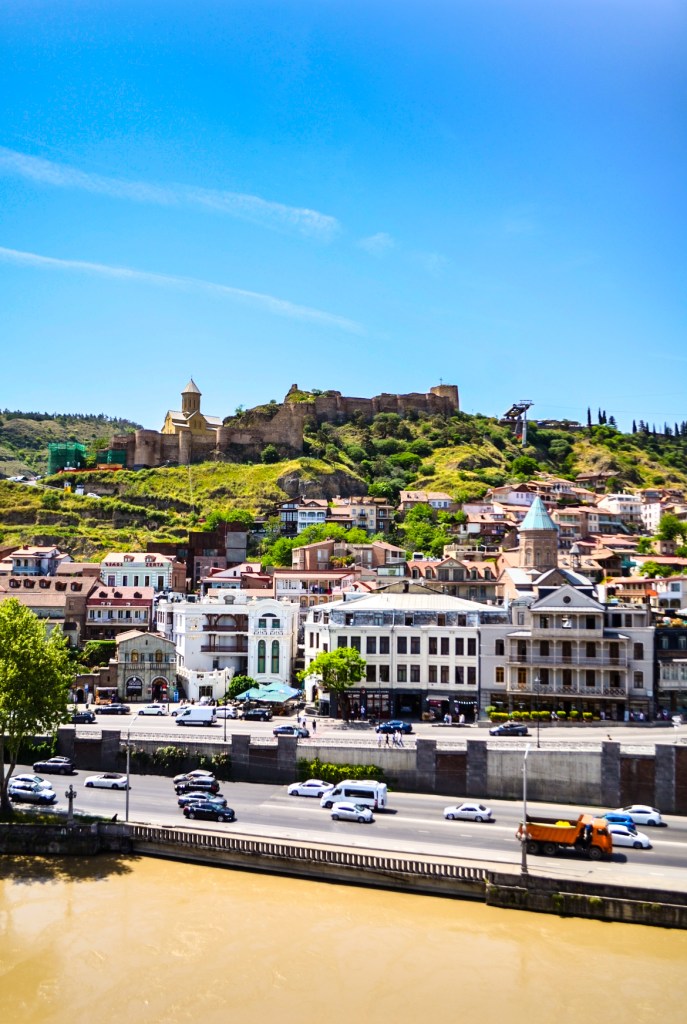
WHAT TO SEE IN GEORGIA
Georgia boasts breathtaking landscapes, rich historical landmarks, and vibrant cultural treasures. Let me introduce you to some of the must-see destinations in the country of Georgia (Tbilisi, Kakheti, Kazbegi, and Batumi):
TBILISI
A city of contrasts, where ancient history meets modern innovation.
It is a city where the main religion is Orthodox Christianity, offering visitors a rich tapestry of culture, cuisine, and architecture. If you prefer not to drive around and exploring the locations on foot or by taxi, you can book here for a day full of adventures, where you will be able to see the majority of Tbilisi’s highlights and enjoy Georgian cuisine.
If you enjoy wandering around at your own pace and exploring on your own time, here’s what to see in Tbilisi:
- Holy trinity Cathedral of Tbilisi, is the third tallest Eastern Orthodox cathedral in the world and one of the largest religious buildings in the world. The visit is free, come by foot or by Bolt/Yandex, dress respectfully and cover your arms.
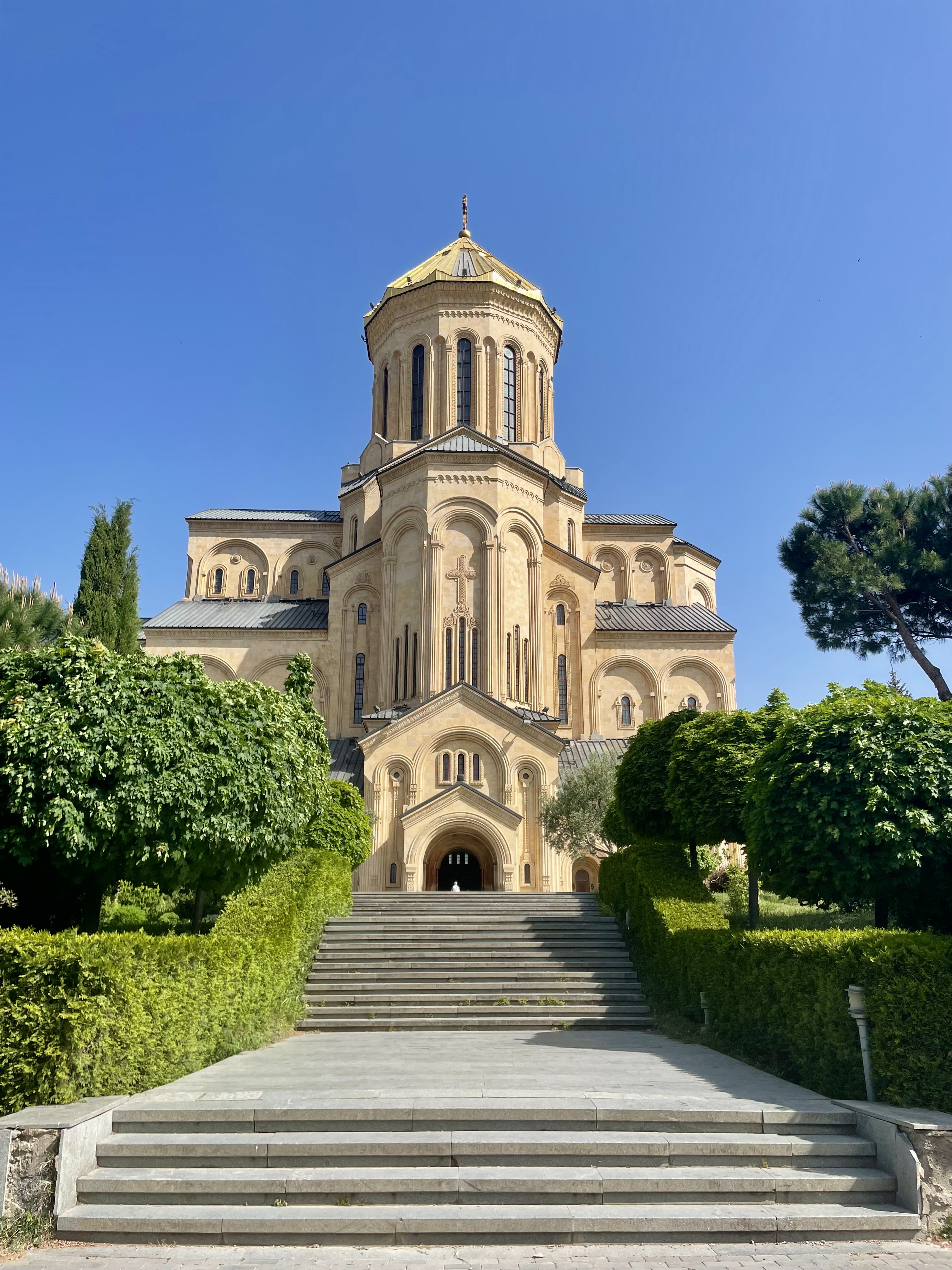
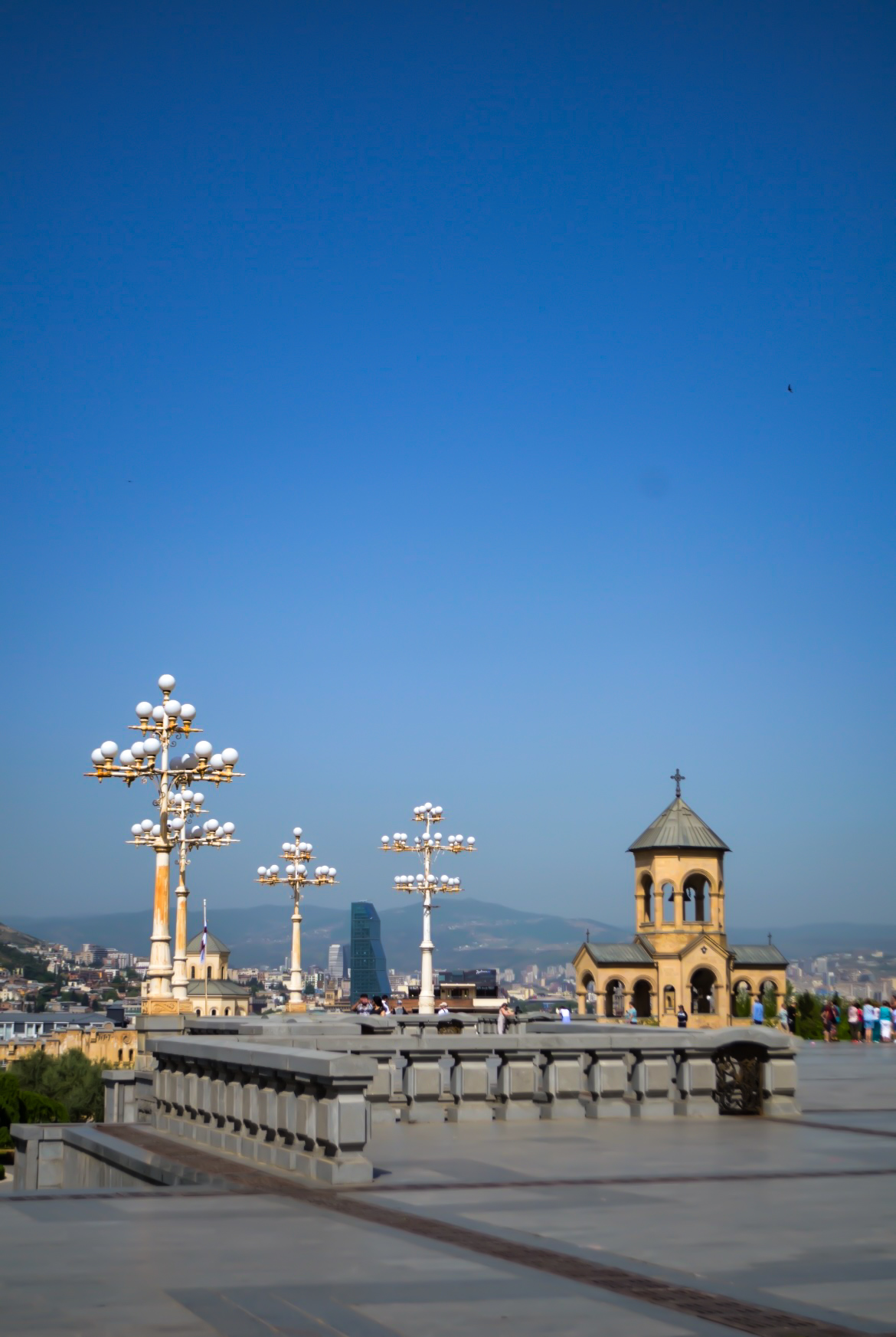
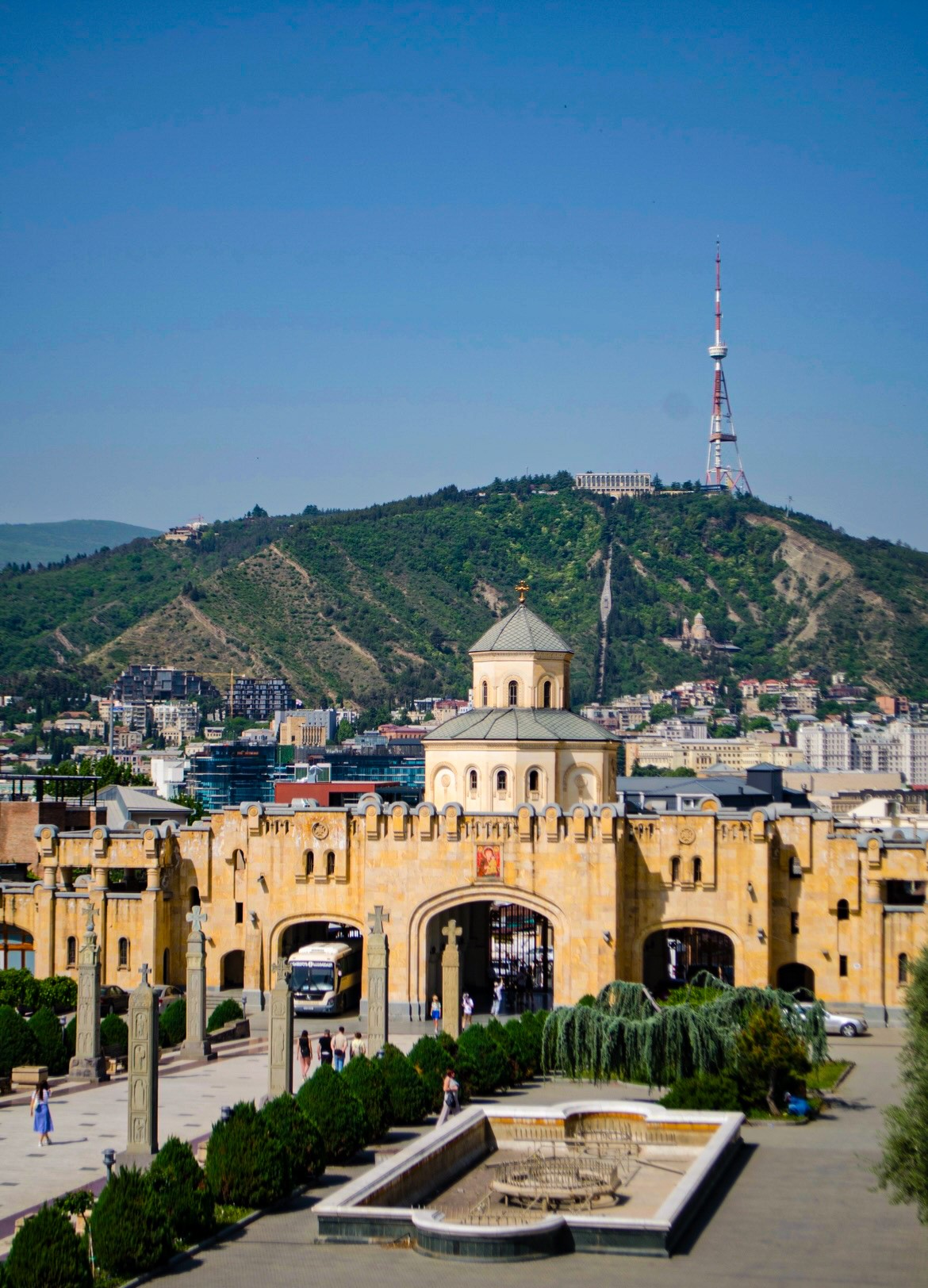

Holy Trinity Cathedral of Tbilisi
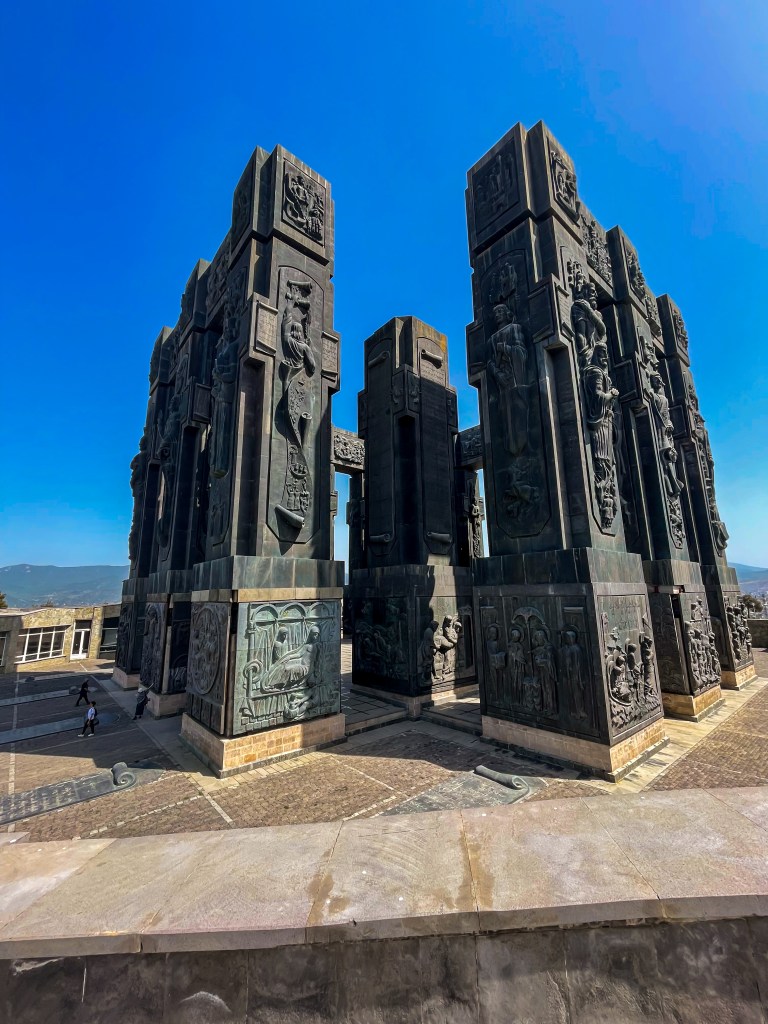
- Chronicle of Georgia stands about 30 meters tall and narrates the country’s history. The upper section features kings, queens, and heroes, while the lower part depicts scenes from the life of Jesus Christ. Entry is free, but since it’s a bit far from the city, it’s best to take a Bolt. The driver will wait for you for a fee. But if you appreciate guided explorations and historical insights, this tour is an excellent choice.
- The Dry Bridge market is an open-air flea market held daily in the heart of Tbilisi, from 9:30 AM to 5:30 PM. It’s a must-see attraction. Entry is free, and it’s best to visit on foot while exploring the city.
- Tbilisi Funicular will take you to Mtatsminda Mountain in just 5 minutes for 10 GEL roundtrip. It departs from Chonkadze Street, 460 meters above sea level, with the upper station located at 727 meters. Mtatsminda features an amusement park, plenty of dining options, and offers spectacular 360-degree views of the city. Don’t miss the chance to stop at the Funicular Restaurant for a coffee with a view and try a Ponchiki, a traditional doughnut.
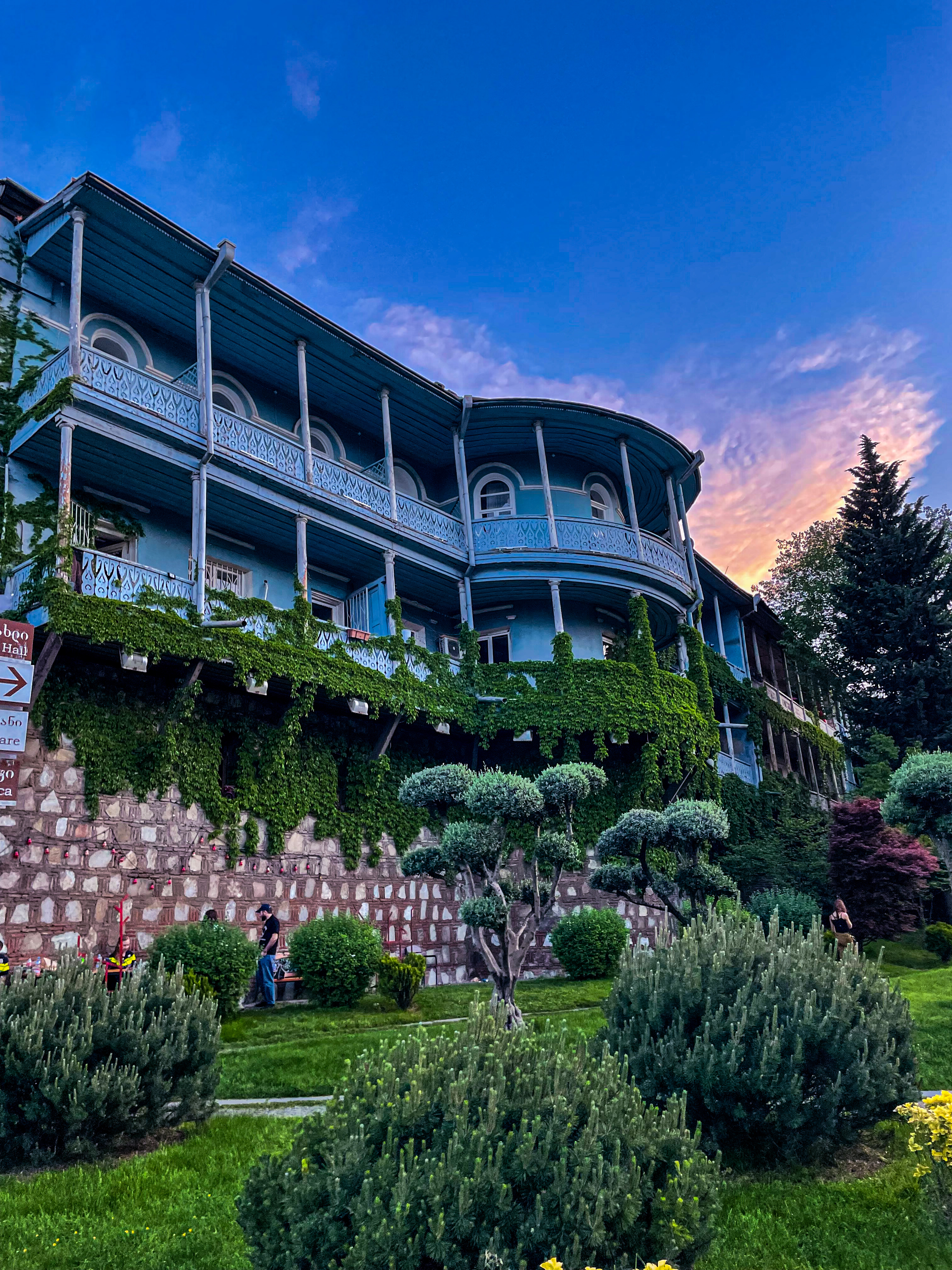
Tbilisi / Bridge of peace/ Tbilisi at night from Funicular
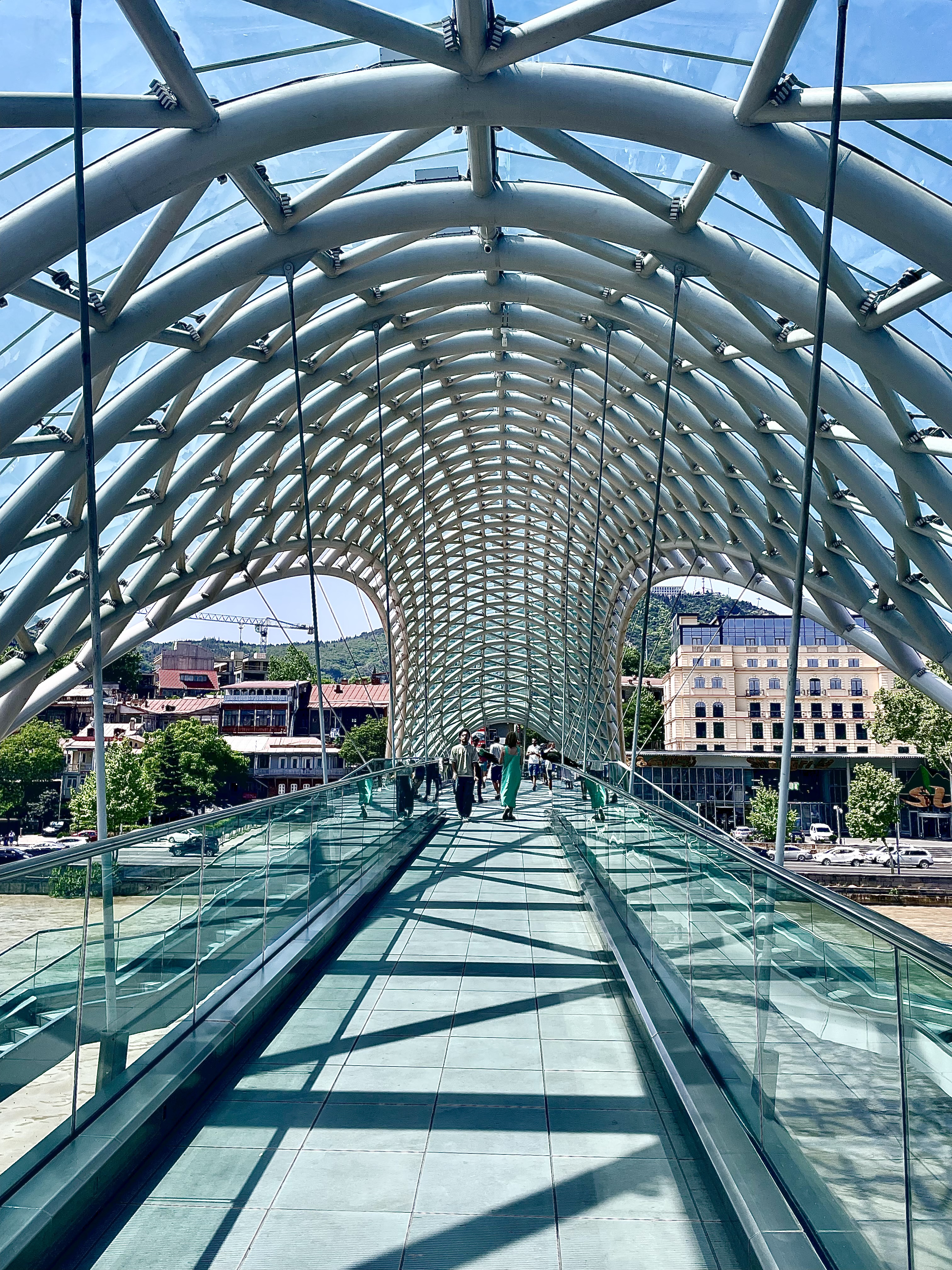

- You can visit Narikala, an ancient fortress overlooking Tbilisi, by taking the cable car from Rike Park, with a round trip costing 10 GEL. Once at the top, you can explore the Botanical Garden and walk over to greet the Mother of Georgia statue. On your descent by cable car, you’ll be near the Bridge of Peace, Queen Darejan Palace, and the Fortress of Isani, all great spots for capturing beautiful photos of Narikala. These landmarks are all within a 100-meter radius.
- The Sulfur baths are an absolute must-do experience in Tbilisi. If you’re interested in soaking in the hot sulfur water, be sure to make a reservation up to 10 days in advance through the official website. Prices for the Sulfur Baths range from 200 to 600 GEL/hour. However, booking for two hours would allow you to fully enjoy the sulfur bath experience at a more relaxed pace. Don’t forget to add the traditional KISA peeling for an unforgettable experience (20 GEL). Be sure to bring your own towel, flip-flops, and swimwear, as they will charge extra if you don’t. Before entering the stunning Sulfur Baths, which are impressive both inside and out, you’ll pass by the Bridge of Love, adorned with love locks—a perfect spot for capturing beautiful photos.

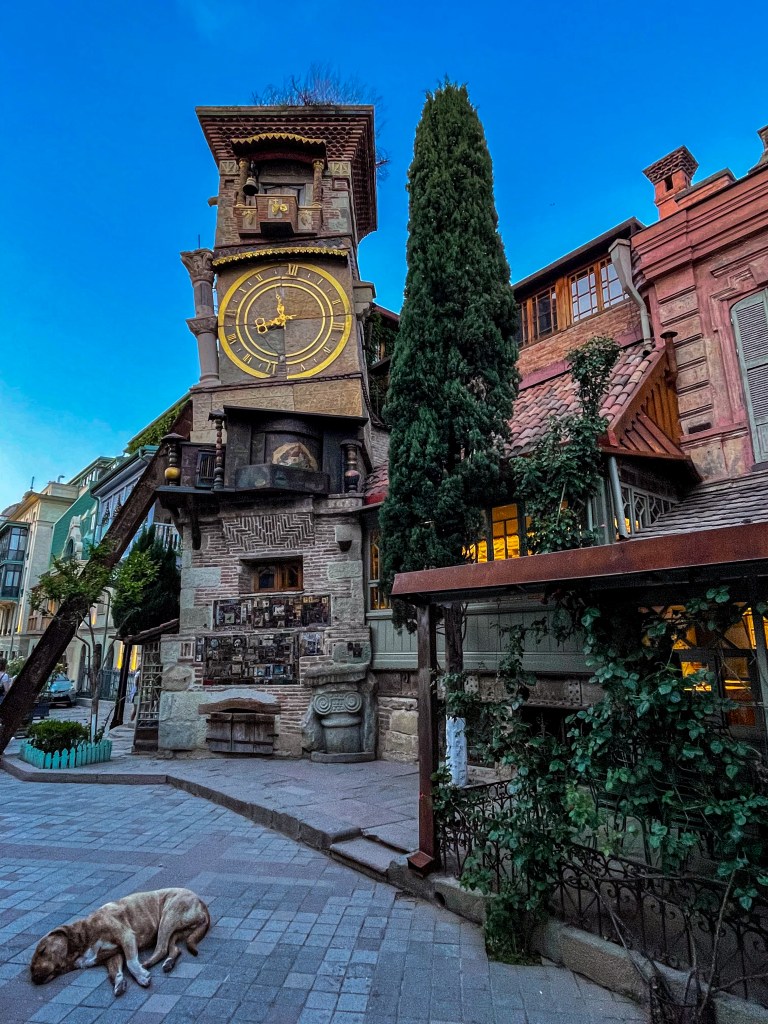
- Clock tower is nestled in the heart of Tbilisi’s Old Town. This leaning tower, with its quirky charm and fairytale-like appearance, captivates both visitors and locals. It’s a fantastic spot for taking photos. Over time, the Clock Tower has become a symbol of Tbilisi’s artistic spirit and cultural vibrancy, representing the city’s unique blend of old and new, tradition and innovation. The visit is free, and it’s best to explore the area on foot.
- With its grand architecture, historical significance, and outstanding performances, the Tbilisi Opera House is a must-visit for anyone exploring the city’s cultural scene. Tickets are affordable, starting at approximately 10-30 GEL ($3-$10 USD), so be sure to catch a performance if you can.
- Liberty square is one of the most prominent and bustling landmarks in Tbilisi, Georgia. Situated at the eastern end of Rustaveli Avenue, this square serves as a central hub for political, cultural, and social activities, making it a key point of interest for both locals and tourists.
- Galery 27 is a unique and charming destination that embodies the artistic spirit of Georgia. Renowned for its beautiful stained glass windows, eclectic array of local crafts, and vibrant atmosphere, this gallery is a must-visit for art enthusiasts and curious travelers alike. It’s an Instagram-worthy spot where you can purchase unique products or simply stroll around and capture stunning photographs.
- Tabor monastery provides visitors with a peaceful escape from the city’s hustle and bustle while offering a glimpse into Georgian Orthodox traditions. The area features a short hike that promises stunning views of Tbilisi. Visiting during sunset is particularly enchanting, as it offers magical views.
- Wine Gallery is a popular destination for wine lovers, offering wine tastings, workshops, and pairing events. Known for showcasing a wide range of Georgian wines, the gallery also highlights the country’s unique winemaking traditions, which date back 8,000 years. Visitors can also purchase local wines, with knowledgeable staff available to assist in selection.
- Cooking class in Tbilisi – learn how to prepare your own Khinkali and Khachapuri. Cooking Georgian cuisine can be one of the most rewarding experiences.
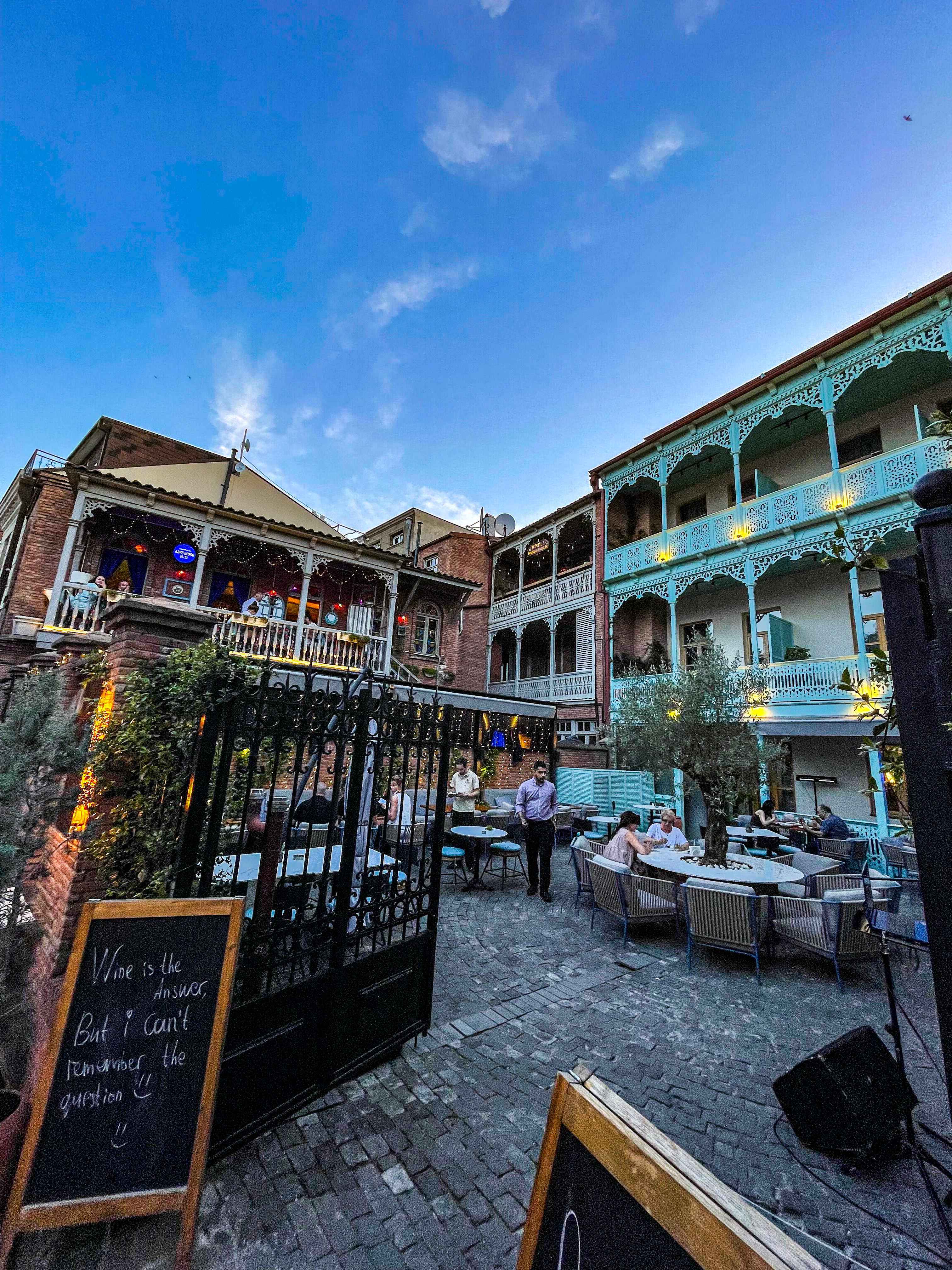

Old town / Wine Gallery
An hour and a half’s drive from Tbilisi lies a true Georgian gem: the Diamond Bridge of Georgia. This breathtaking architectural marvel is located in Dashbashi Canyon, offering a thrilling experience for visitors. This 240-meter-long bridge is suspended 280 meters above the canyon floor, featuring a central transparent diamond-shaped platform that allows thrill-seekers to walk on glass and gaze down into the depths below. Here, you can book your tour to the Diamond Bridge departing from Tbilisi.
Where to stay in TBILISI?
Tbilisi offers a wide array of accommodation options to suit different preferences and budgets. On the luxury side, Swissôtel Tbilisi hotel provide top-notch amenities, exquisite design, and exceptional service to ensure a memorable and comfortable stay. Another option is a Puris Moedani Boutique Hotel, which offers a more personalized experience compared to larger hotels. These hotels typically feature charming decor, local touches, and a cozy atmosphere. Mid-range hotel like Radisson RED provide a comfortable stay with quality amenities at reasonable prices. One of the most popular hostels in Tbilisi is Fabrika Hostel, which offers a vibrant and social atmosphere. Housed in a renovated Soviet-era sewing factory, it combines creative spaces, trendy decor, and communal areas where travelers and locals come together to socialize and connect.
KAKHETI
Nestled in eastern Georgia, Kakheti is celebrated for its scenic beauty, historical landmarks, and venerable winemaking heritage.
The region offers a rich tapestry of cultural, natural, and gastronomic experiences. Kakheti is divided into several administrative districts and traditionally subdivided into distinct regions. Here are the 8 key areas within Kakheti: 1. Telavi – The administrative center of Kakheti, known for its historical sites and wineries. 2. Gurjaani – Renowned for its wine production and picturesque villages. 3. Qvareli – famous for its vineyards and the stunning Alazani River Valley. 4. Sagarejo – includes parts of the Iori River basin, with various cultural and historical sites. 5. Dedoplistsqaro – Known for its diverse geography and agricultural activities. 6. Signagi – a charming town known as the “City of Love,” famous for its well-preserved architecture and stunning views. 7. Lagodekhi – Home to the Lagodekhi Protected Areas, offering rich biodiversity and hiking opportunities. 8. Akhmeta – Features beautiful landscapes and is home to several ancient churches.
Here’s a guide to the must-see sights in Kakheti:
- Firstly: how to get there? The easiest option is to use GoTrip, where you can rent a car with a personal driver. For the more adventurous, renting a car on your own is also an option. If you want to try Georgian wines while enjoying the stunning landscapes of Kakheti, you can book a full-day tour here to explore many of the wineries and breathtaking views in the region. The departure for this tour is from Tbilisi, and the price includes seven wine tastings.
- Signagi – The City of Love is known for its charming cobblestone streets, colorful houses, and breathtaking views of the Alazani Valley. Here, you can visit the Signagi Wall and take a leisurely stroll along the city fortifications. Be sure to stop by the nearby Bodbe Monastery, a peaceful religious site and the burial place of St. Nino, who introduced Christianity to Georgia. If you get hungry along the way, consider dining at Pheasants Tears Winery or Okros Wine Restaurant and Cellar. Additionally, nearby St. Stephen Church offers the unique opportunity to walk on its roof and enjoy stunning views of Signagi.

- Fun Fact: In Signagi, you can get married every day of the year, 24/7. If you’re planning a spontaneous wedding ceremony, this could be the perfect place for it. It’s like Georgian Las Vegas, set in nature with privacy and breathtaking scenery.
- David Gareja Monastery Complex, is one of the country’s most remarkable historical and religious sites. This unique complex showcases Georgia’s rich Christian heritage, blending natural beauty with profound spiritual significance.
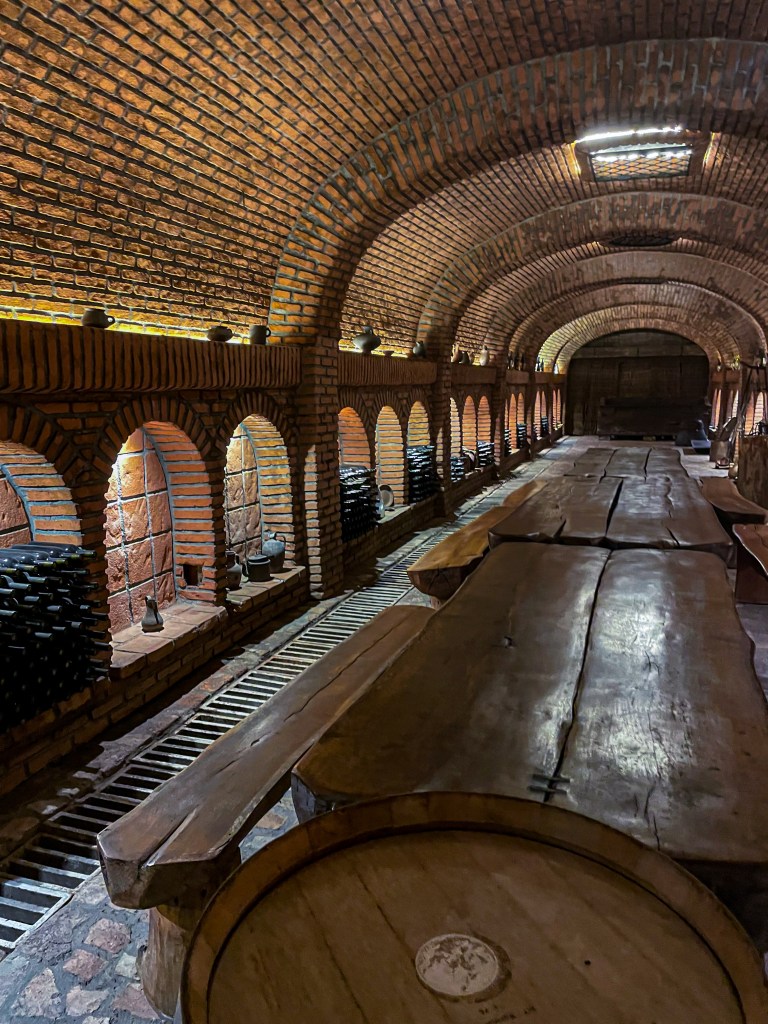
- Winery Khareba, located in Kvareli, is renowned for its extensive wine cellar housed within a tunnel complex that stretches over 7.7 kilometers. Originally constructed for military purposes during the Cold War, these tunnels now provide the ideal environment for aging wine, thanks to their consistent temperature and humidity levels. At the winery, you can enjoy a wine tasting and tour, with prices varying depending on the wines sampled: 25-35 GEL for standard wine tasting and 50-70 GEL for premium wine tasting. You can sample a selection of wines, guided by sommeliers who explain the characteristics of each variety and the unique aspects of Georgian winemaking. Here, you can savor traditional Georgian Qvevri wine, which is naturally fermented and aged in large clay vessels called qvevris, buried underground. While I enjoyed the wine, I wasn’t as fond of the touristy approach. I recommend visiting quickly, as this winery is the largest, but also exploring smaller family-owned wineries where you may feel more welcome and less like just another tourist. The tasting and tour take about 25 minutes. One of their standout products is grape seed oil, which has a uniquely light and special flavor that you’ll want to savor—there’s nothing quite like it. With a car and private driver from GoTrip, you can visit more wineries in one day, such as the Telavi Wine Cellar or Marani Wine Cellar.
- Gremis Archangels Complex is a historic architectural ensemble that stands as a testament to the cultural and religious significance of the region. Built in the 16th century, Gremi represents the glory of the Kingdom of Kakheti during the Renaissance period and serves as a poignant reminder of Georgia’s rich history. It’s a beautiful site and a must-see monastery.

Where to stay in KAKHETI?
If you’re seeking relaxation on your travels, Kakheti is an ideal destination, offering tranquility and stunning natural landscapes. Here, you can discover some of the most unique lodging options, including the opportunity to stay in a Hotel Qvevrebi that offers a bungalow shaped like a giant qvevri – traditional clay vessel used for winemaking., set among the beautiful Shalauri vineyards. If you’re seeking a more traditional experience, consider relaxing at the amazing hotel by the lake at Lopota Lake Resort.
KAZBEGI
Is a stunning mountainous region in northern Georgia, also known as Stepantsminda, renowned for its dramatic landscapes, cultural heritage, and outdoor adventures.
Located in the Caucasus Mountains near the Russian border, Kazbegi offers visitors a perfect blend of natural beauty and cultural exploration. Don’t make my mistake—be sure to check the weather beforehand. I drove four hours from Tbilisi and four hours back, only to see very little.
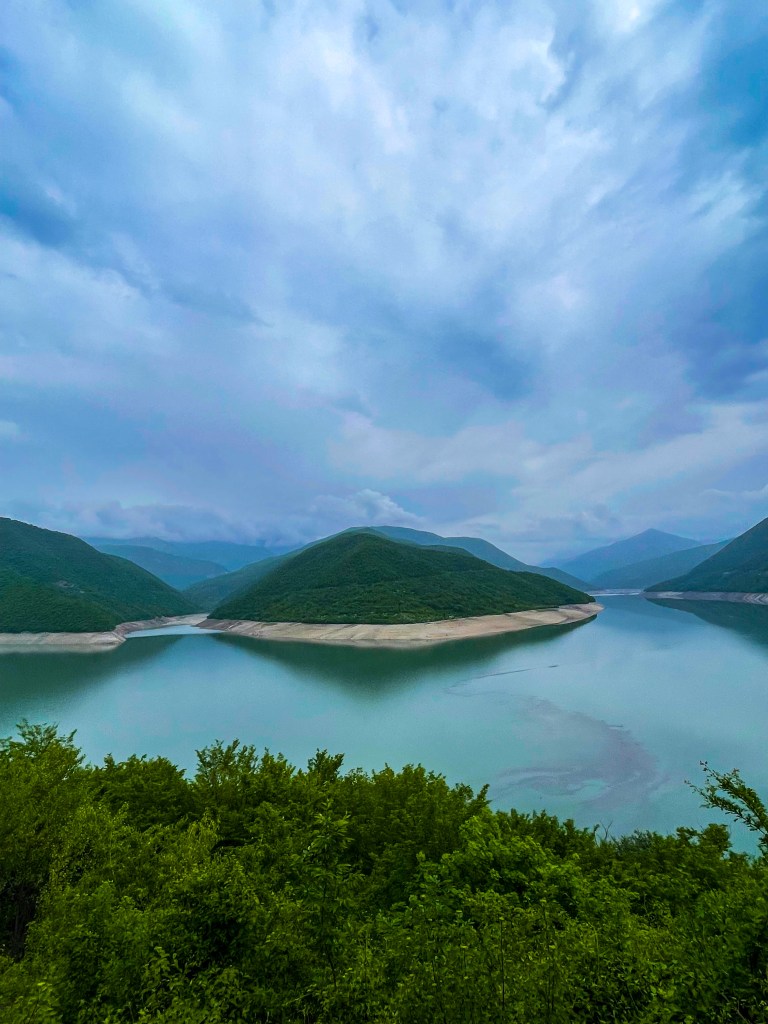
On the way from Tbilisi to Kazbegi, there are many beautiful views worth stopping for. By taking this guided tour, you will have the opportunity to see everything. The journey along the Georgian Military Highway is not just a means of transportation; it is an experience filled with stunning landscapes and historical sites:
- Gergeti Trinity Church, perched dramatically on a hilltop overlooking the village of Stepantsminda, is one of Georgia’s most iconic landmarks that you cannot miss. If the weather permits, you can hike up to the church or take a special taxi for 20 GEL one way, as these taxis are permitted to drive up the hill.
- Stop by Jvari Monastery which is perched on a rocky mountaintop overlooking the confluence of the Mtkvari and Aragvi rivers near Mtskheta, Georgia. This UNESCO World Heritage site is a profound symbol of Georgia’s early Christian history and architectural mastery.
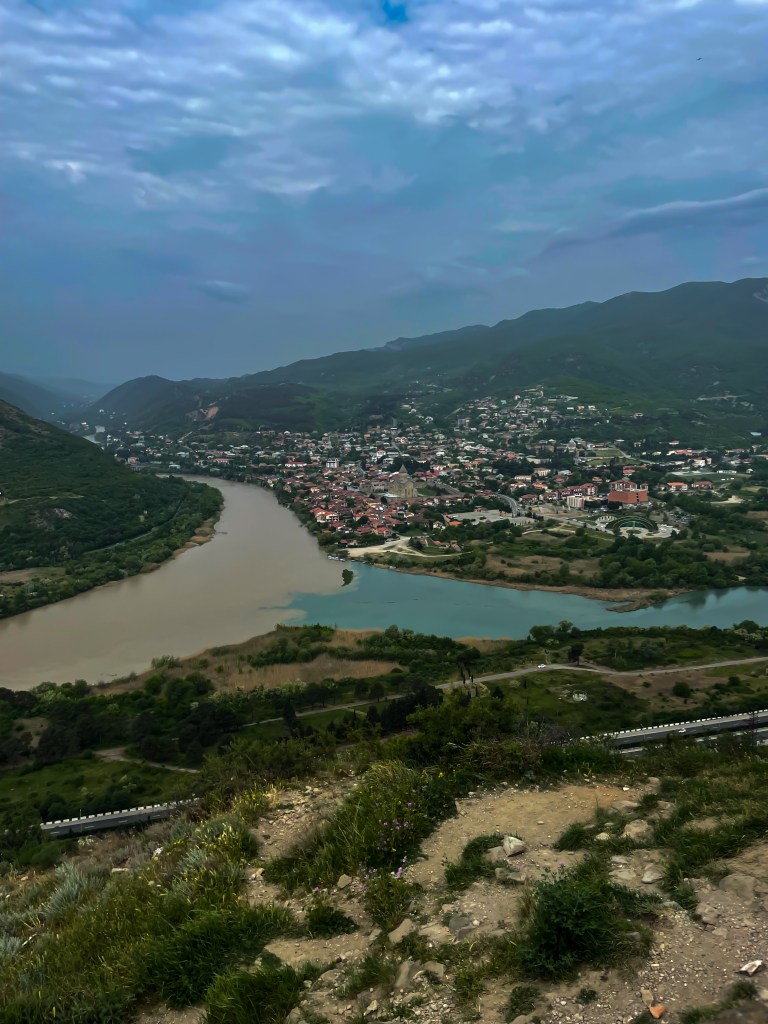
- Next on the list is Anauri Fortress Complex, a symbol of medieval Georgian architecture and strategic military defense. This historic site provides visitors with a glimpse into Georgia’s tumultuous past, showcasing impressive fortifications, religious structures, and breathtaking views of the surrounding landscape.

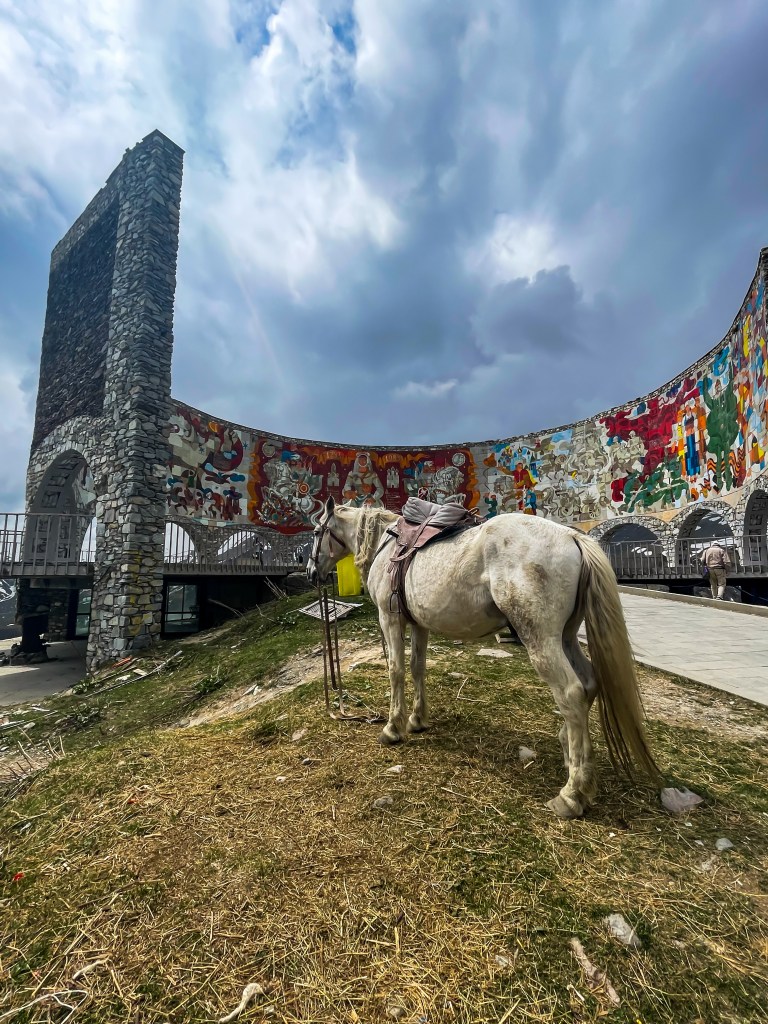
- Panorama Gudauri, also known as the Russia-Georgia Friendship Monument, is situated at an elevation of approximately 2,200 meters above sea level. It offers breathtaking views, thrilling outdoor activities, and a vibrant atmosphere that attracts visitors from around the world. The monument features a large circular stone overlooking the Devil’s Valley in the Caucasus Mountains. Inside, a magnificent tile mural spans the entire circumference of the structure, depicting scenes from Georgian and Russian history.
Where to stay in KAZBEGI?
Rooms Hotel Kazbegi is known for its views of Mount Kazbek and the surrounding Caucasus Mountains, which can be seen from the rooms. The rooms have a rustic minimalism, incorporating floorboards and furniture made from 150-year-old local oak. Chemodann Kazbegi is a hotel with a feeling of guesthouse with mountain views, a restaurant, and a terrace. Hotel Memoir Kazbegi is a 4-star hotel located in the center of Kazbegi. Many rooms offer views of Gergeti Trinity Church and Mt. Mkinvartsveri. For a unique experience, visit Kazbegi Hills Cottages and enjoy a stay in a charming cottage.
BATUMI
The vibrant seaside city located on the coast of the Black Sea in Georgia, is a captivating blend of modern architecture, historic charm, and natural beauty. Here are some must-visit attractions in Batumi:
Black Sea/ Piazza Batumi tower / Ali and Nino statue / Piazza Batumi
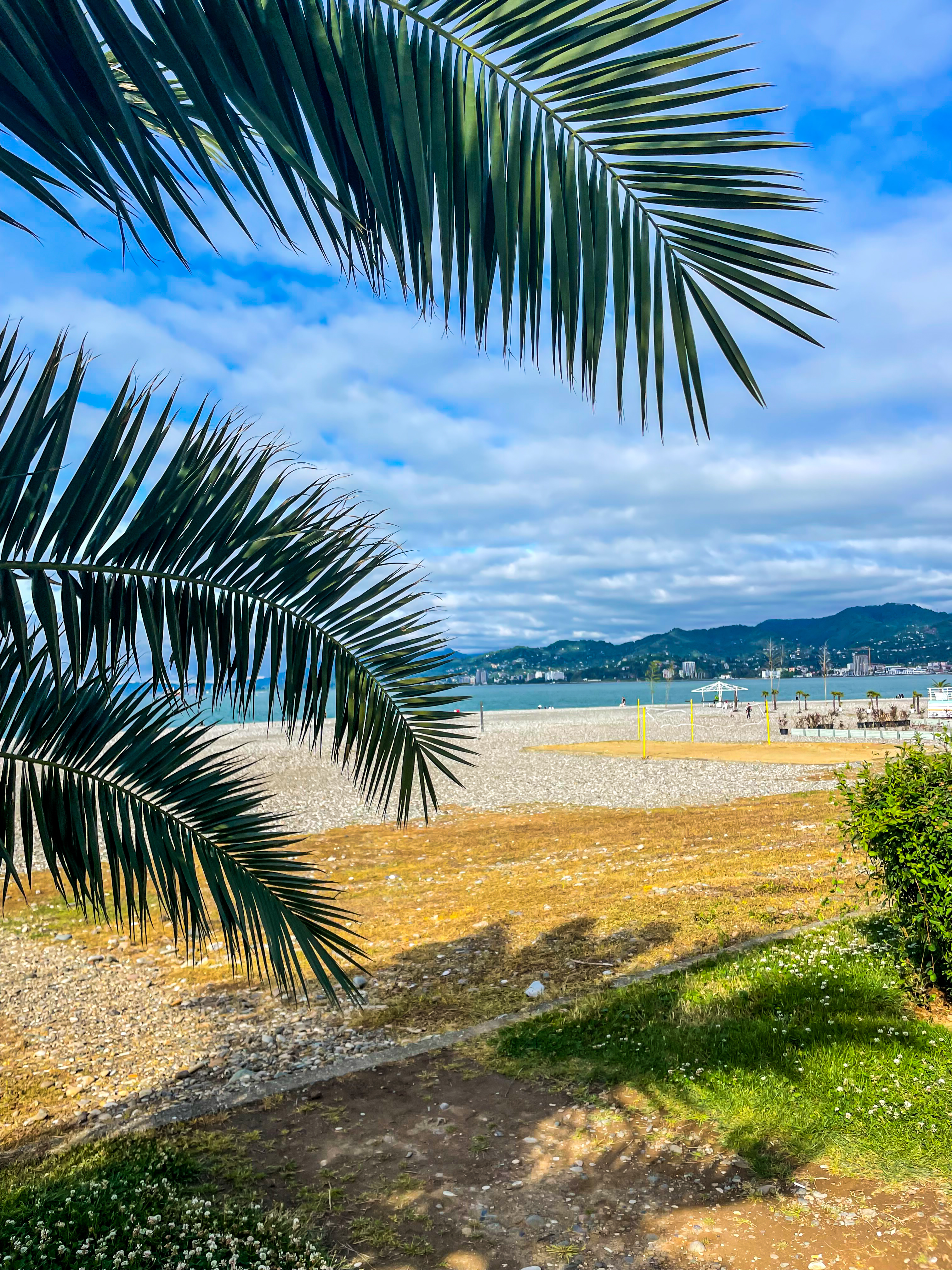
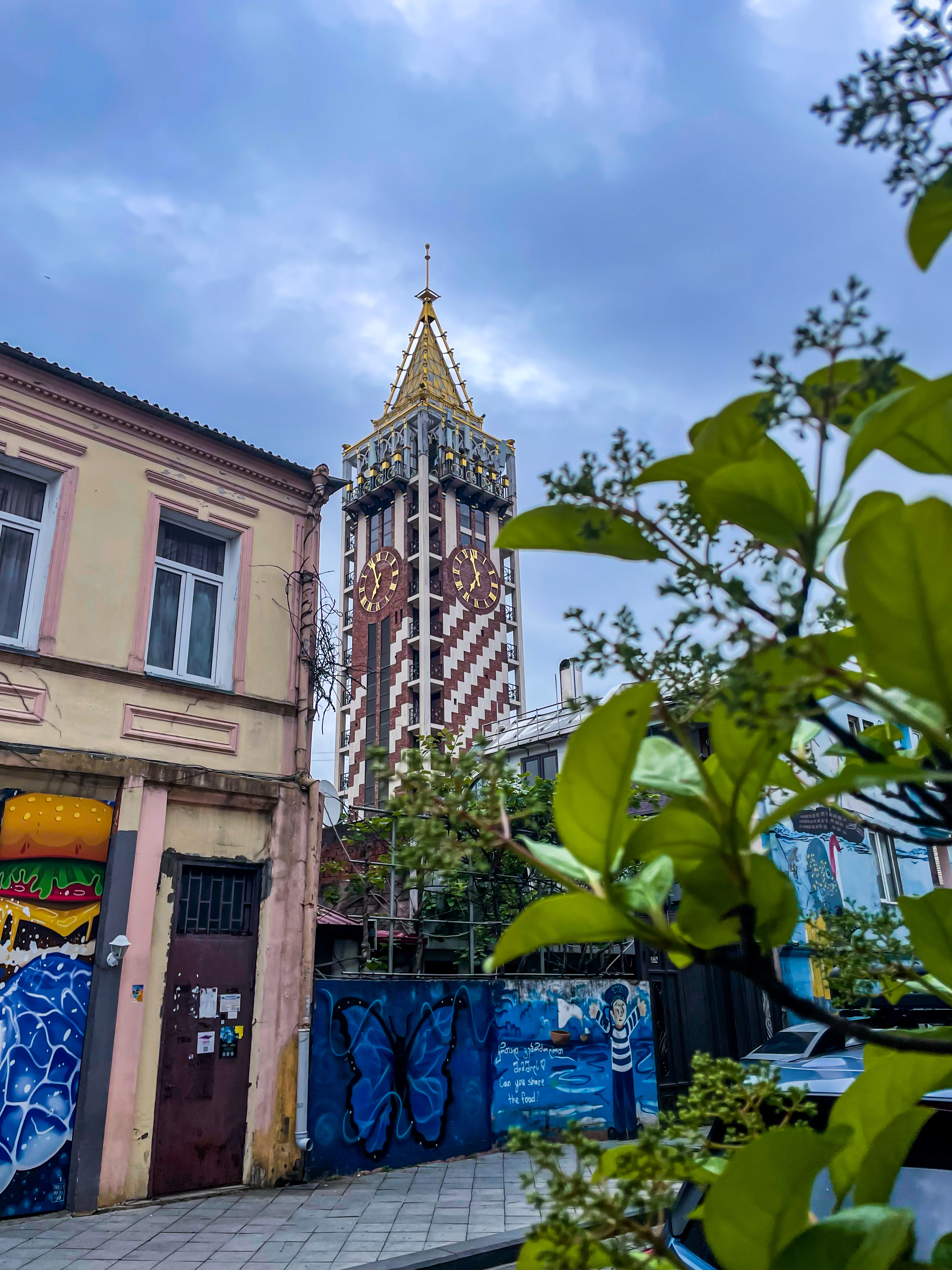
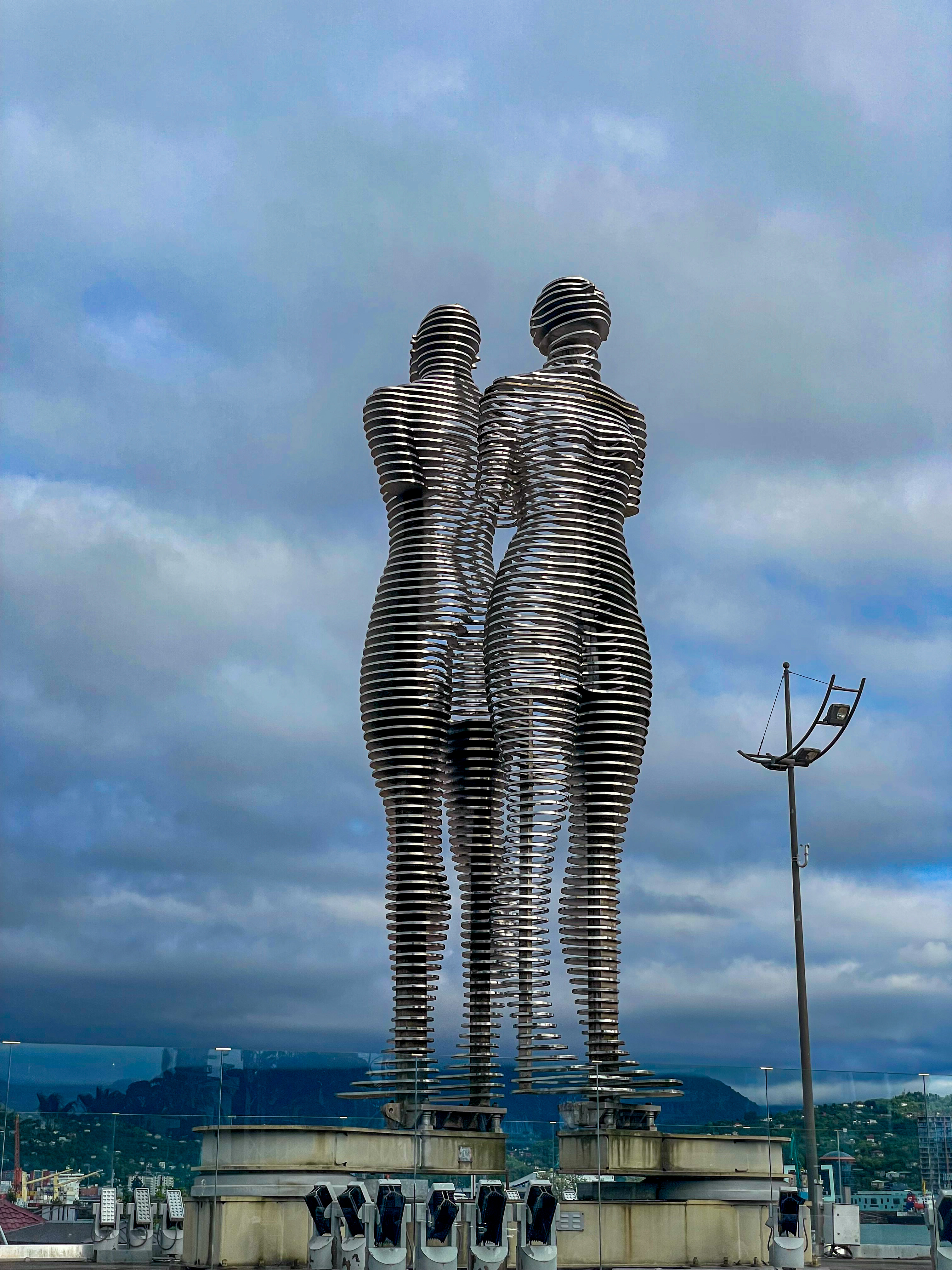
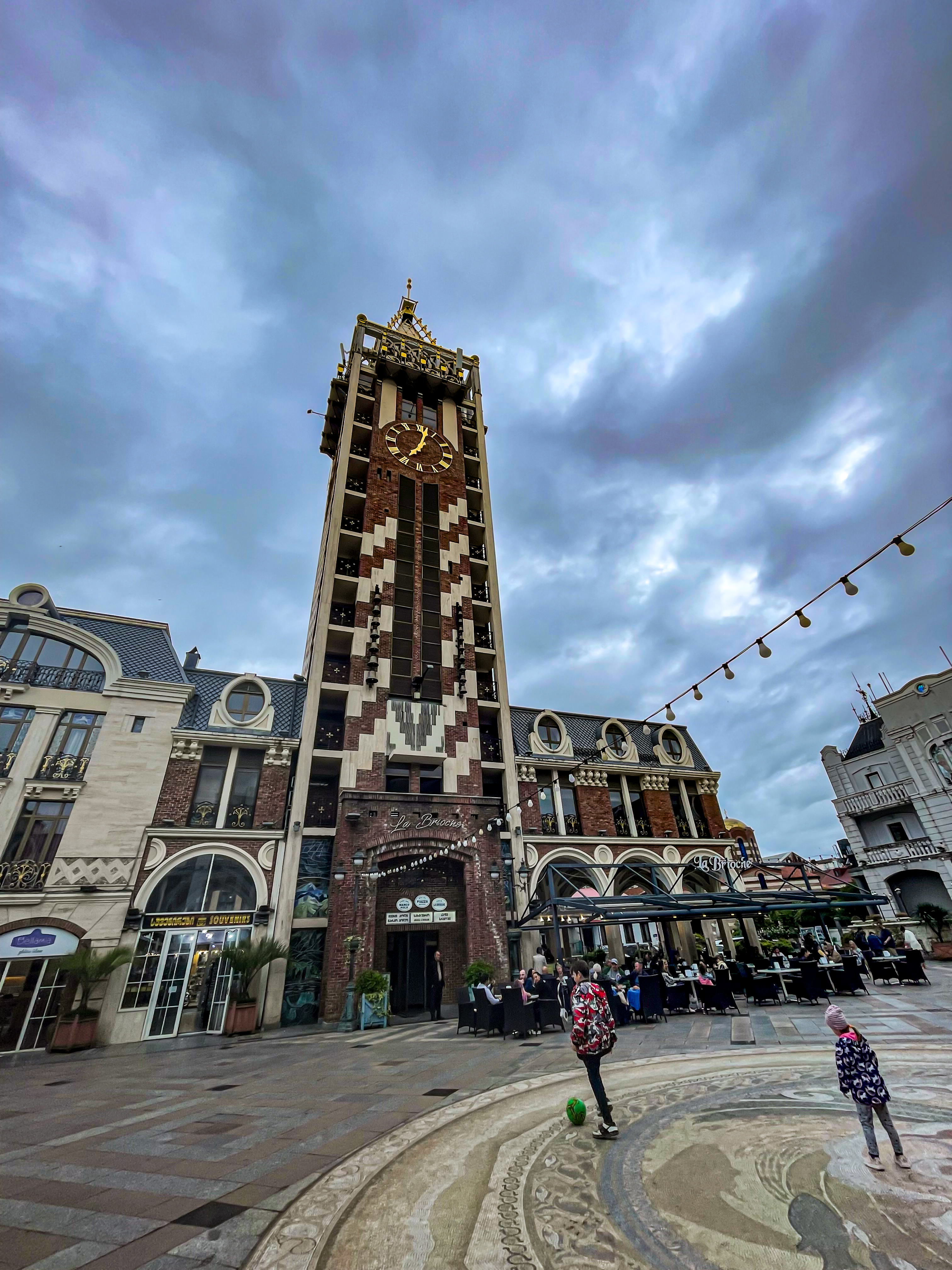
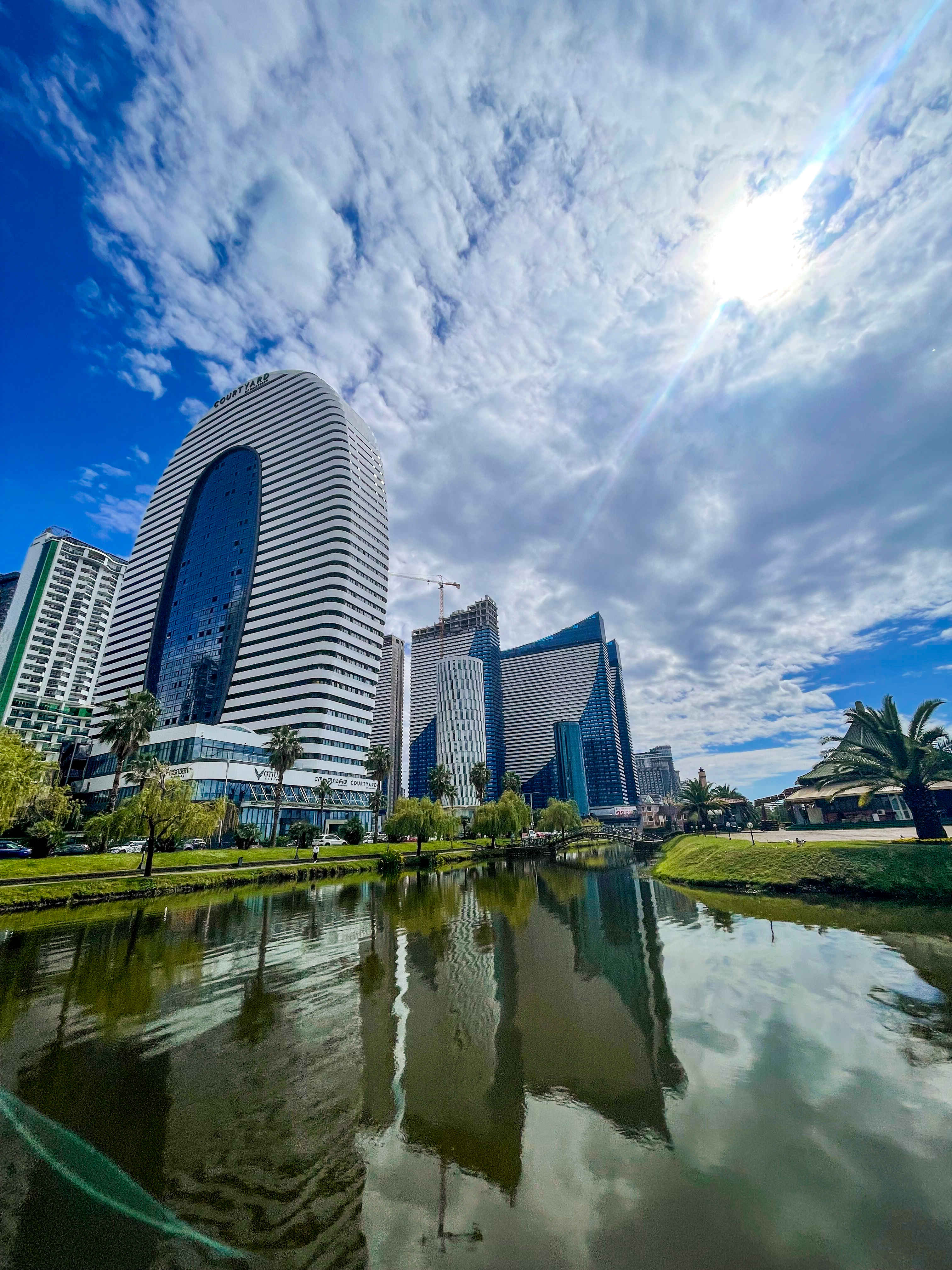
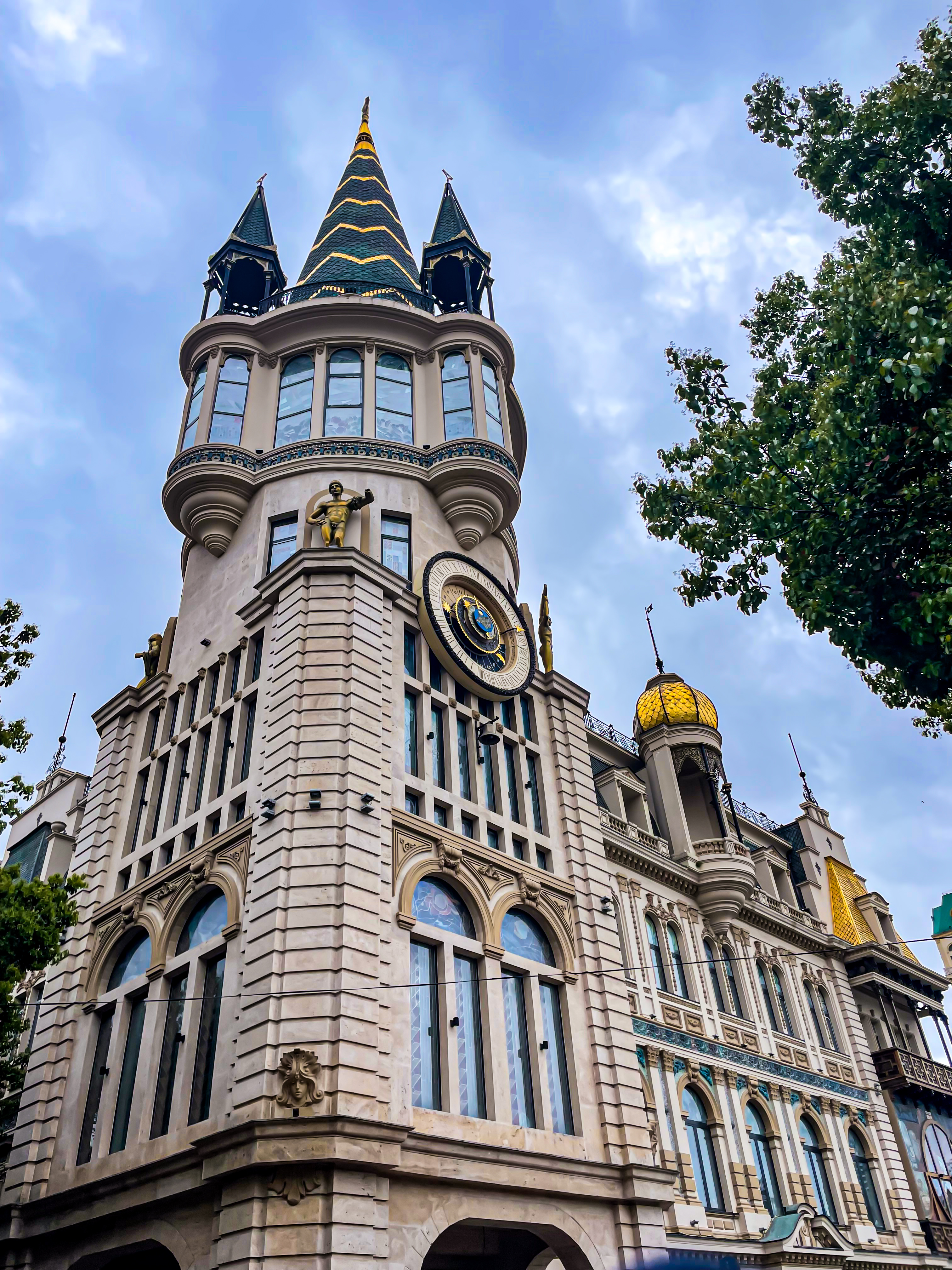
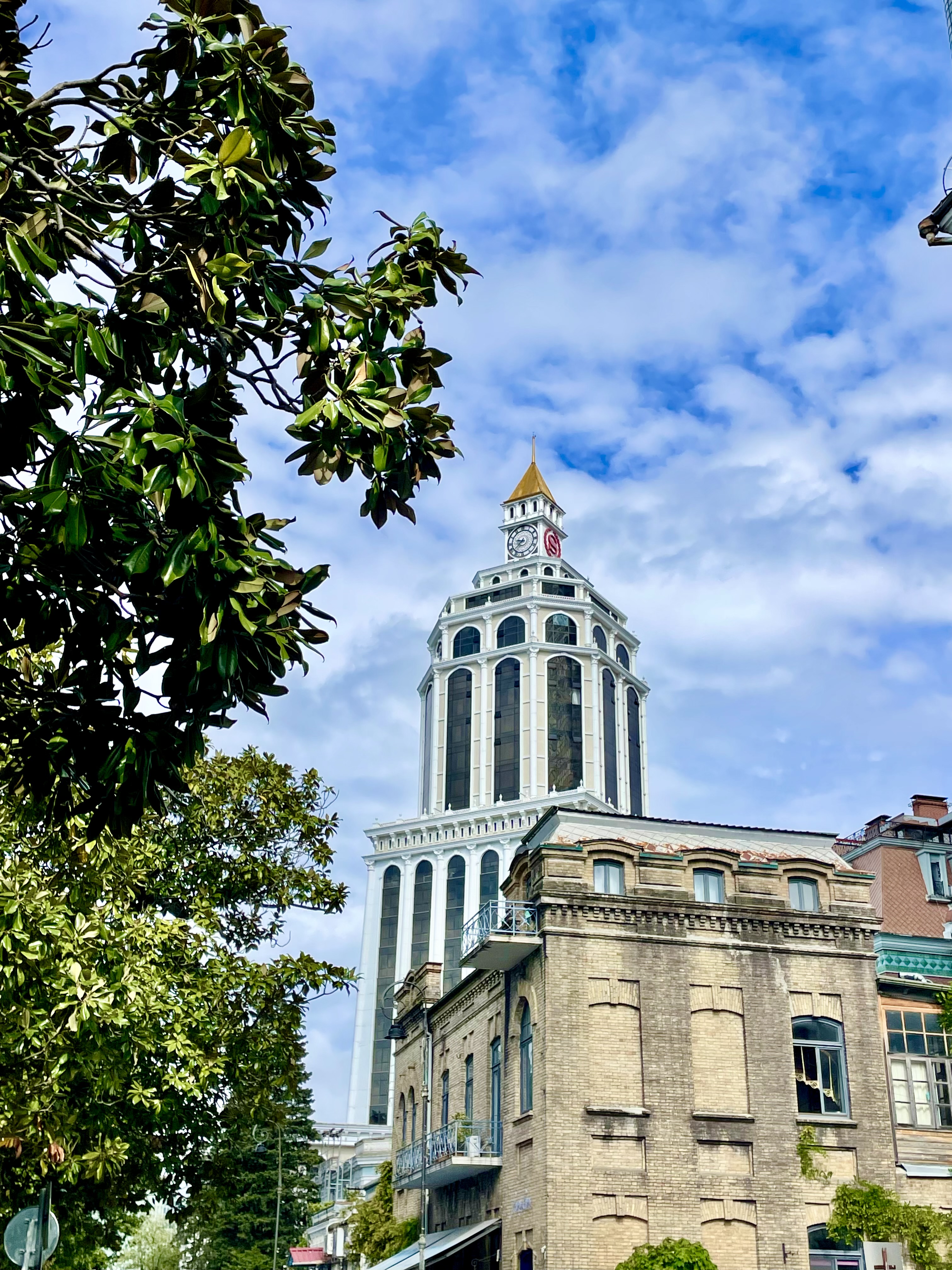
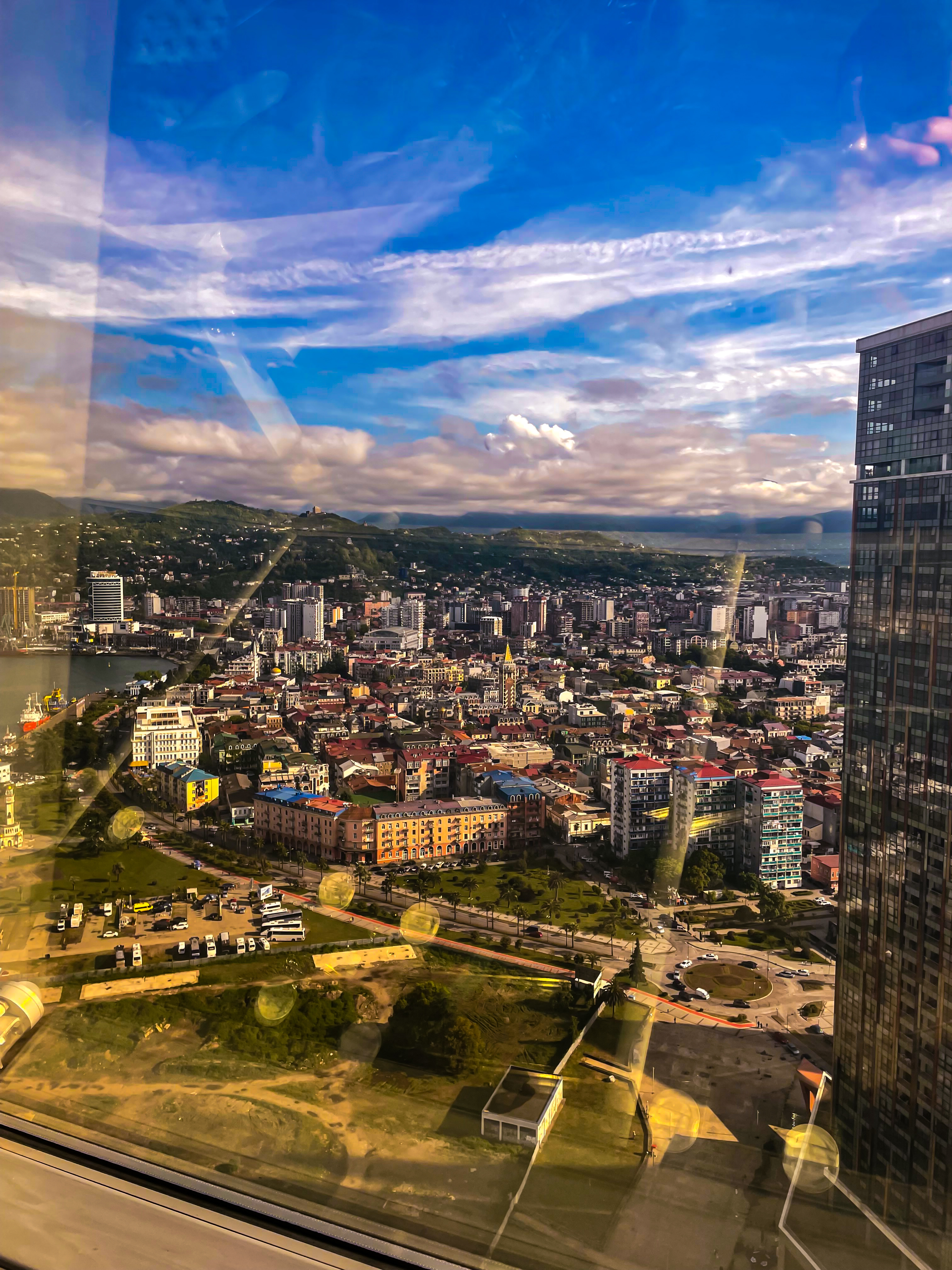
Batumi hotels / Astronomical clock / Batumi buildings / View from Alphabetic tower
- 6 May park also known as Batumi Boulevard, is a charming seaside park that stretches along the Black Sea coast in Batumi. Here you’ll find a delightful Japanese Garden and Octopus Batumi, a large mosaic sculpture that serves as a playground for children while being visually appealing as well.
- Continuing along the main road, you’ll come across a charming bird zoo where you can admire various species. This leads to a bamboo grove on Batumi Boulevard, complete with dancing fountains.
- Following the road, you’ll reach the Alphabetic Tower, a modern architectural landmark that celebrates Georgia’s unique cultural heritage and its ancient alphabet. You can purchase a ticket for 30 GEL to access the top via an elevator. The view from the top is spectacular. There’s also a restaurant and bar where you can order coffee, tea, water, or wine. From the tower, you’ll see the Batumi Lighthouse, the Ali and Nino statue, and the Chacha Tower, which represents Chacha. Cacha is a traditional clear spirit made from grape pomace, the solid remains of grapes (skins, pulp, seeds) after the juice has been extracted for winemaking. Chacha typically ranges from 40% to 65% ABV (alcohol by volume). You’ll also be treated to spectacular views of the mountains in the background.
- Europe square is located in the heart of Batumi, making it a key landmark and a popular gathering place for both locals and tourists. The buildings surrounding the square feature eclectic architectural styles, ranging from neoclassical to modern, reflecting Batumi’s diverse cultural influences. The square is beautifully illuminated at night, creating a magical atmosphere. In the corner of Europe Square, you’ll find the spectacular Astronomical Clock, a sophisticated timepiece that displays not only the time but also astronomical information, such as the positions of the sun, moon, and constellations. Designed to educate and fascinate viewers, it showcases intricate mechanisms.
- Piazza Batumi is inspired by European city squares, particularly those in Italy. Its design incorporates elements reminiscent of classic European architecture, featuring intricate mosaics, frescoes, and elegant facades.
Where to stay in BATUMI?
Batumi is a city renowned for its stunning views. For a luxurious experience, the Sheraton Batumi Hotel offers spacious rooms and suites with sea, city, and mountain views. Hotel London 1889, a charming mid-range 4-star hotel with exquisite architecture could be an interesting choice. For a low-budget stay in a glamorous building, consider Boulevard Hotel Batumi.
TRANSPORTATION:
Getting around Georgia is relatively straightforward, thanks to a variety of transportation options available to you:
1. Public Transport:
- Marshrutkas: These are minibus taxis that operate on set routes. They are an affordable and popular way to travel between cities and towns. Yet they are time-consuming since you never know when they will start driving as they wait for the car to be full. Meaning it can take you 4 hours to begin with the journey. It is the cheapest way to move around (price for the ride: 5-20 GEL/1,6-6,7 € /1,8-7,3 $).
- Buses: Larger buses operate in major cities like Tbilisi, Batumi, and Kutaisi, offering a more comfortable ride than marshrutkas.
- Metro: Tbilisi, the capital city, has a metro system that is efficient and easy to use for getting around the city. It is cheap and a safe method to travel around Tbilisi in rush hour when the taxis are busy and you need 1-2 hours to drive 10km. The price for the ride is around 1 GEL/0,33 € /0,36$.
- FOR ALL OF THEM YOU CAN USE A TRAVEL CARD, which allows for a slight discount on multiple trips and can be used in all three forms of transport mentioned above.
2. Trains:
- The Georgian Railway network connects major cities and regions. The trains are comfortable and offer scenic routes, especially the journey from Tbilisi to Batumi along the Black Sea coast. You have a variety of options for the comfort ticket class. You can purchase one-way first class (75 GEL/25 €/27 $), second class (35 GEL/11,7€ /12,8 $) and business class (125 GEL/42€ /45 $). It depends on your budget, but I would highly recommend the business class for the trip to TBILISI-BATUMI. It’s a 5-hour ride, with departures typically either early in the morning or late at night. If you want a comfortable sleep, go for business class. I chose first class and regretted it because the quality of sleep was poor. Their website is very convenient—you can purchase your ticket online, so there’s no need to visit the train station. The trains are clean and punctual. Interestingly, coffee is only served to business class passengers. I was in first class and tried to buy a coffee, but was told it’s exclusive to business class passengers. When buying tickets, make sure to do so only through the official website. The best part is that you don’t need to book in advance—unless, like me, you’re traveling during a major holiday, such as Easter, when it seems like the whole country is headed to Batumi. Just be mindful of public holidays, and you’ll have no trouble getting a ticket any other time.
3. Taxis and Shuttle service:
- Taxis are widely available and relatively inexpensive. Apps like Bolt and Yandex offer convenient ride-hailing services. I did use Bolt all of the time. The only negative aspect is that when there is rush hour and you are stuck in traffic, you will pay double as the app recalculates the riding time. For that reason, use Yandex if you can.
- There’s an excellent way to avoid renting a car. A shuttle service is available through a website called GoTrip which offers private taxi transfers for long-distance travel, allowing you to explore the country at your own pace. The driver stops whenever you want to take photos or see something along the way. The drivers are polite, friendly, and accommodating. Be sure to filter for English-speaking drivers when booking, as most typically speak Russian, Armenian, or Georgian. I used GoTrip to travel to Kakheti and Kazbegi full-day trips. You can book a car and driver for around 200 GEL (€67/$73), with gas included. You’ll have a private driver who offers additional advice on must-see spots along the way and will gladly take you there. They also keep the car stocked with water, disinfectant, and wipes for your convenience. Be sure to book only through their official site: GoTrip. They can also offer tips and would be happy to explain the entire history of Georgia to you.
4. Car Rentals:
Renting a car is an option if you want to explore remote areas and enjoy the freedom of traveling at your own pace. However, be mindful of the driving conditions, especially in mountainous regions. I wouldn’t recommend it to most Europeans, as the driving can be chaotic—so, if possible, avoid renting a car. GoTrip is a better option to enjoy your holidays without traffic craziness.
LOCAL CUISINE GUIDE:
My favorite part is introducing you to the rich world of traditional Georgian cuisine. I’ve compiled a list of must-try Georgian dishes that are sure to delight your taste buds. While the full list is quite extensive, I’ve carefully selected the best options for you to explore.
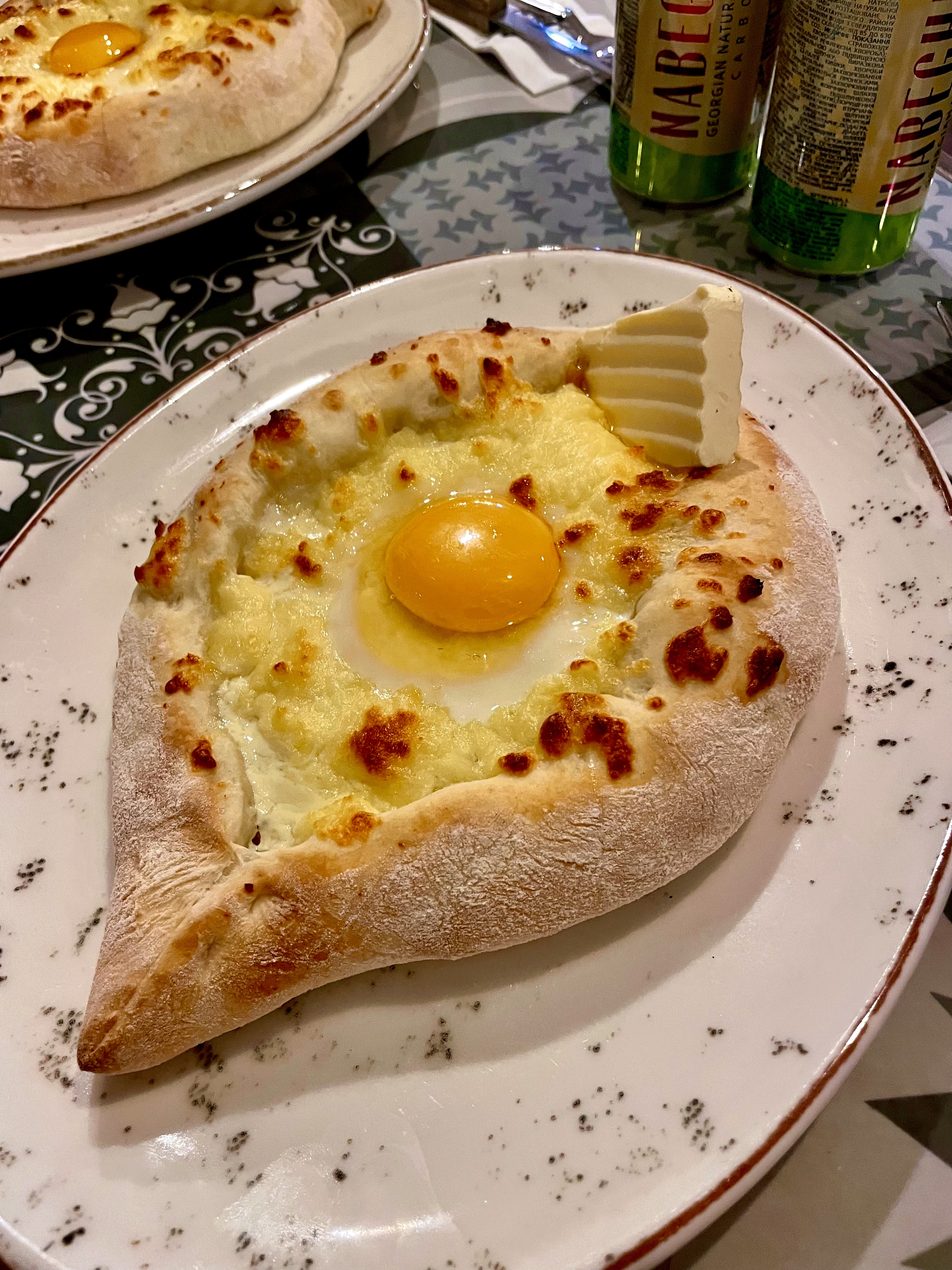
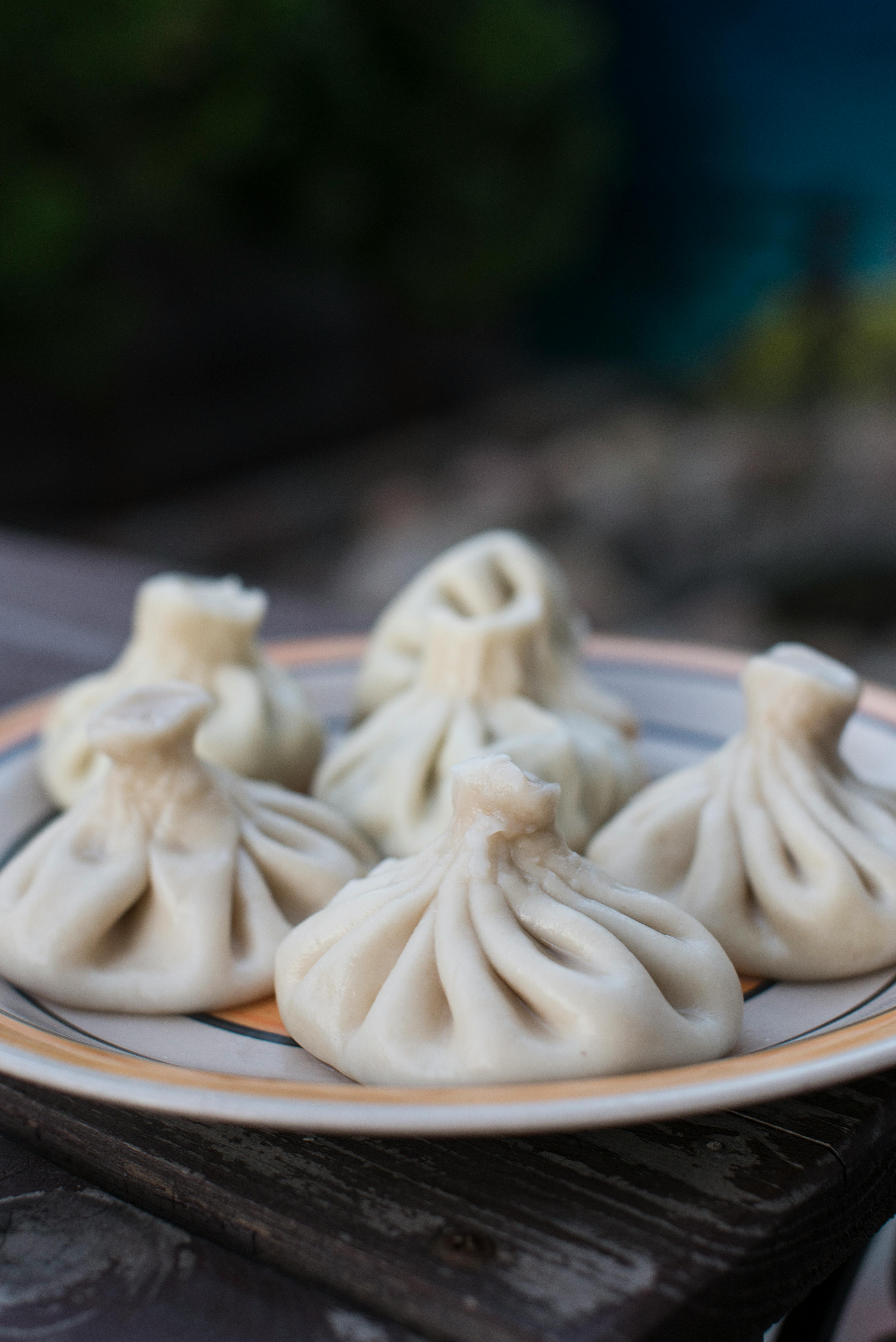
Adjaruli Khachapuri / Khinkali/ Badrijani Nigvzit / Pkhali
Chakapuli / Georgian salad / Seafood/ Imeruli Khachapuri
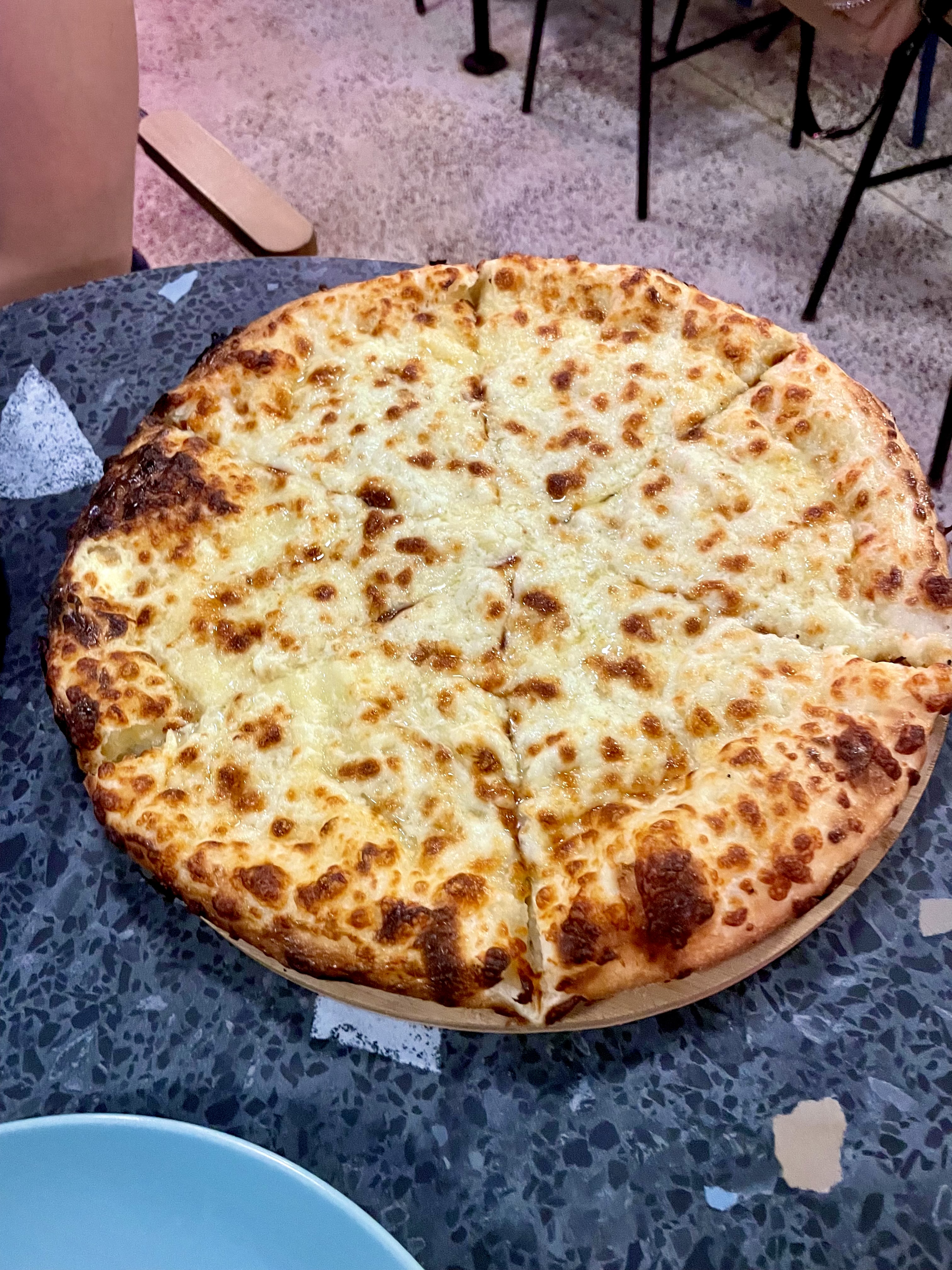
- Adjaruli Khachapuri: Shaped like a boat and filled with cheese, butter, and a runny egg, this dish is something you’ll want to eat every day. However, finding a good one is key. There are many variations, so be mindful of what you order. I also tried Imeruli Khachapuri, which was slightly different—pizza-shaped and loaded with cheese and bread, but without egg or butter. The taste reminded me of Burek, but in pizza form. In the Balkans, this could easily be called a true “Pizza Burek.”
- Khinkali: Georgian dumplings are typically filled with spiced meat (usually a mix of beef and pork), but they also come with mushroom, potato, or cheese fillings. For your first time, I’d recommend sticking to the classic meat option. I once tried one with aged cheese—similar to Roquefort—and I wouldn’t recommend it due to its strong, unusual flavor, which tasted slightly rotten and vinegary.
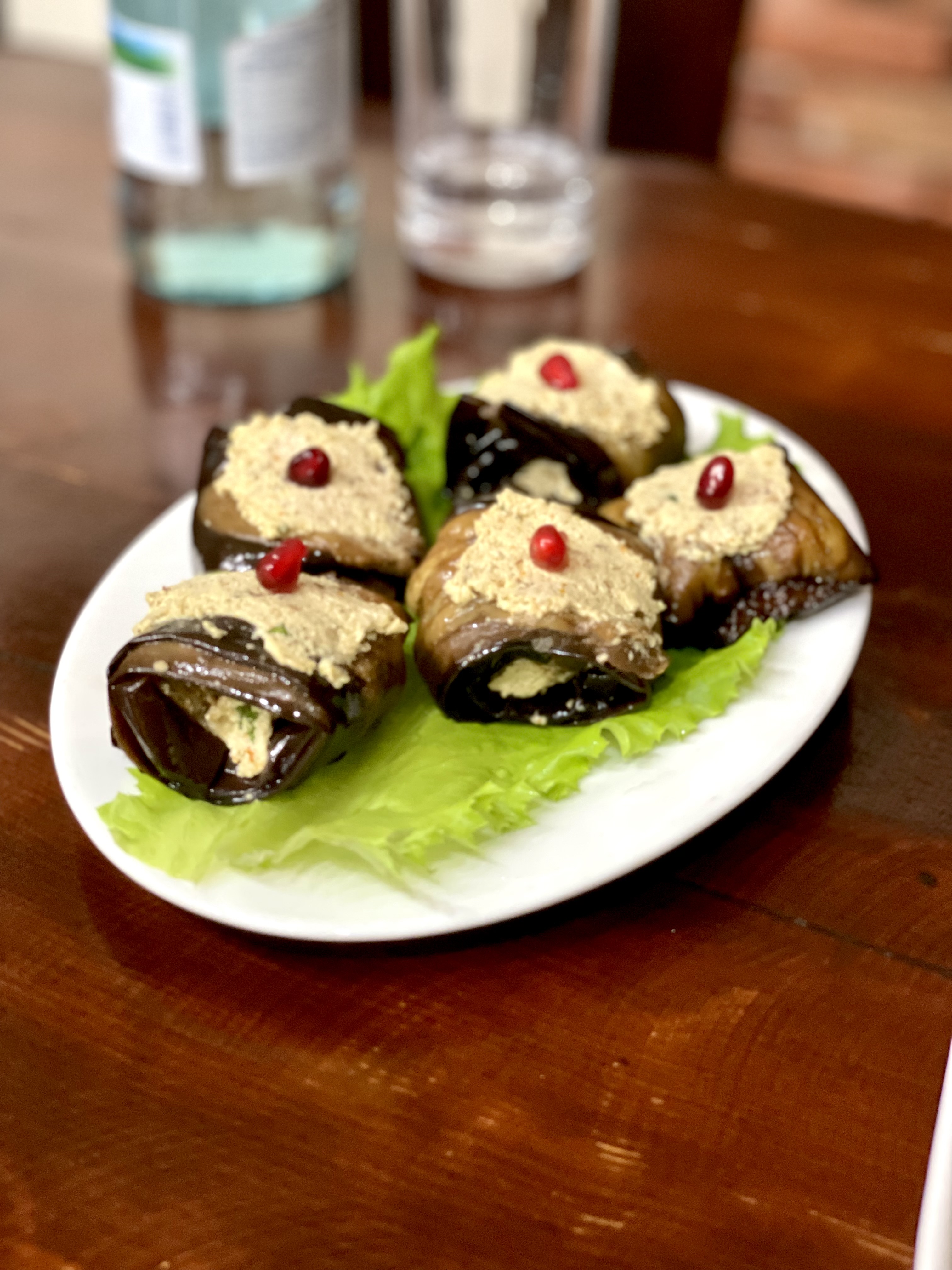
- Badrijani Nigvzit: Eggplant slices rolled and filled with a walnut paste mixed with garlic, spices, and herbs. (I’m not usually a fan of eggplant, but this dish was surprisingly good—soft, flavorful, and delicious. However, it’s quite a caloric bomb, so one or two pieces per person are more than enough.)
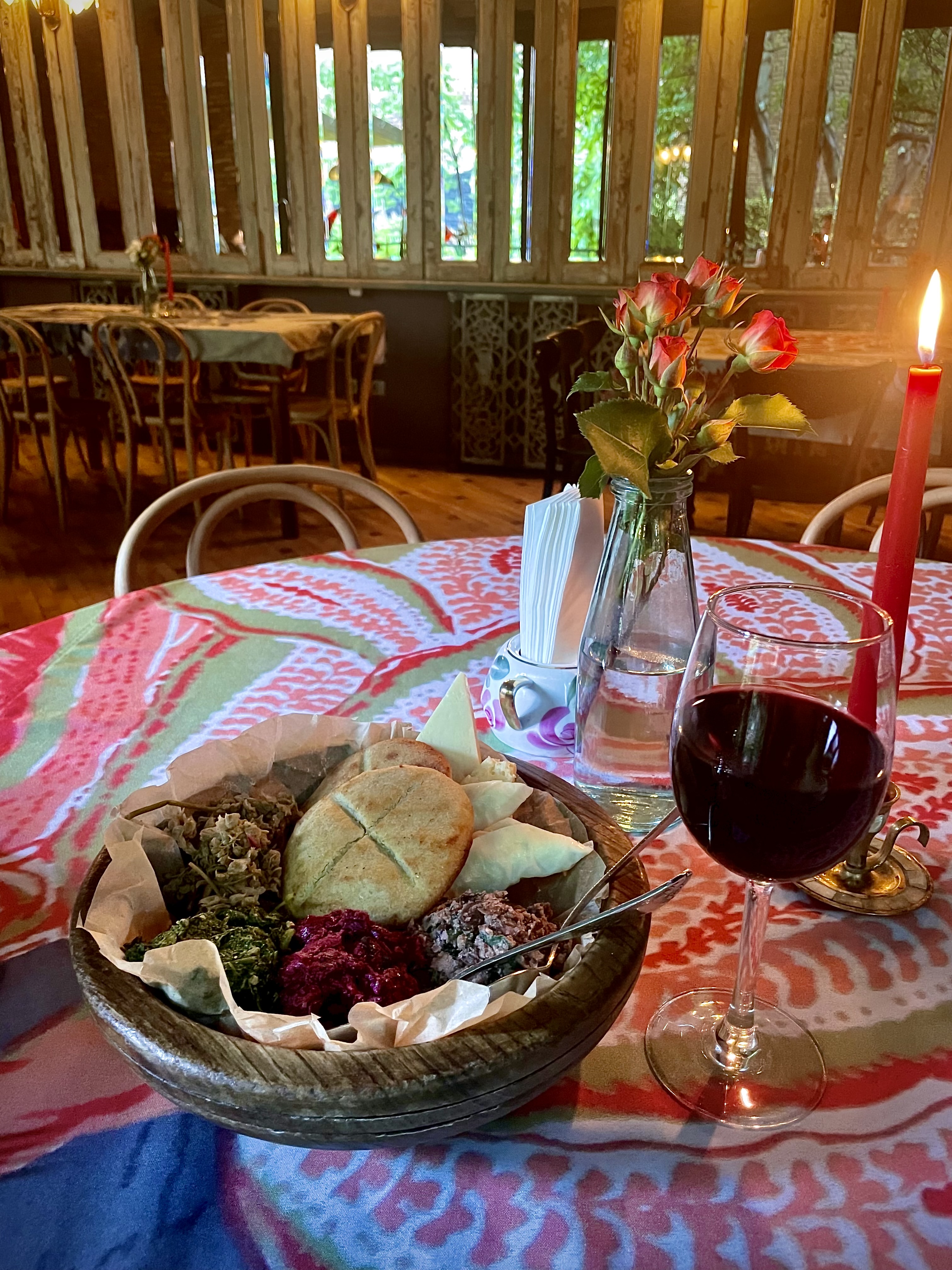
- Pkhali: A mixture of finely chopped vegetables, such as spinach, beets, or green beans, combined with ground walnuts, garlic, and herbs. This dish is sure to please everyone, from picky eaters to vegans and vegetarians. The vegetables are full of flavor, vibrant in color, and beautifully presented.
- Lobio: A hearty bean stew made with red kidney beans, onions, garlic, coriander, and walnuts. I’d recommend saving this one for the cold winter days.
- Mtsvadi: Georgian-style skewered and grilled meat, typically made from pork, lamb, or beef. This is a must-try for all meat lovers.
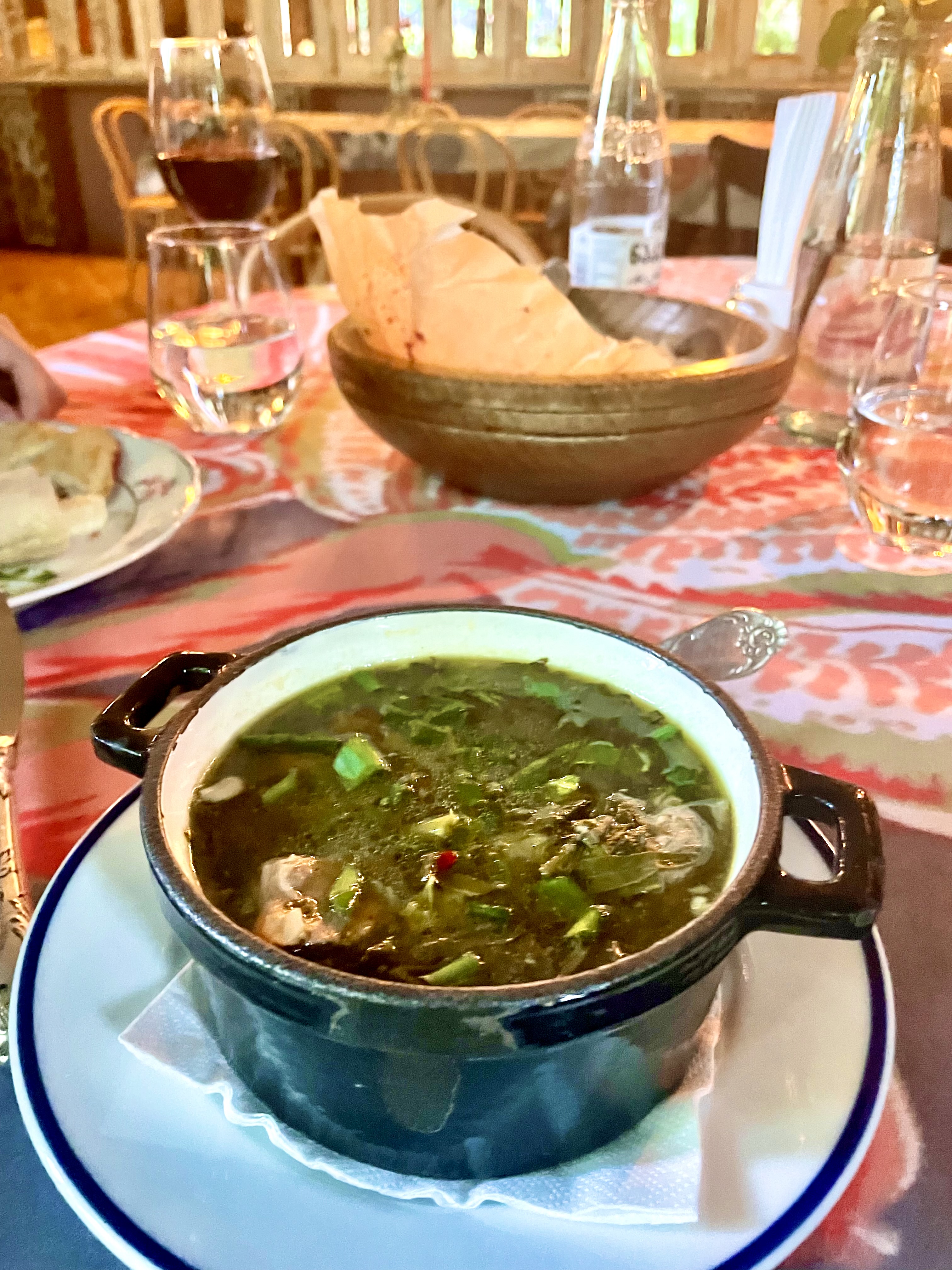
- Chakapuli: A traditional stew made with lamb or veal, tarragon, green plums (or sour cherries), white wine, and a variety of fresh herbs. This dish is a special treat for Orthodox Easter, typically available at the end of April and the beginning of May. I was lucky enough to try it and must say it had a uniquely sour, almost funky taste. It’s not for everyone—if you’re not a fan of experimenting with flavors, you might want to pass on this one.
- Satsivi: Chicken or turkey served in a rich walnut sauce flavored with garlic and spices. It is a heavy dish, perfect for sharing.
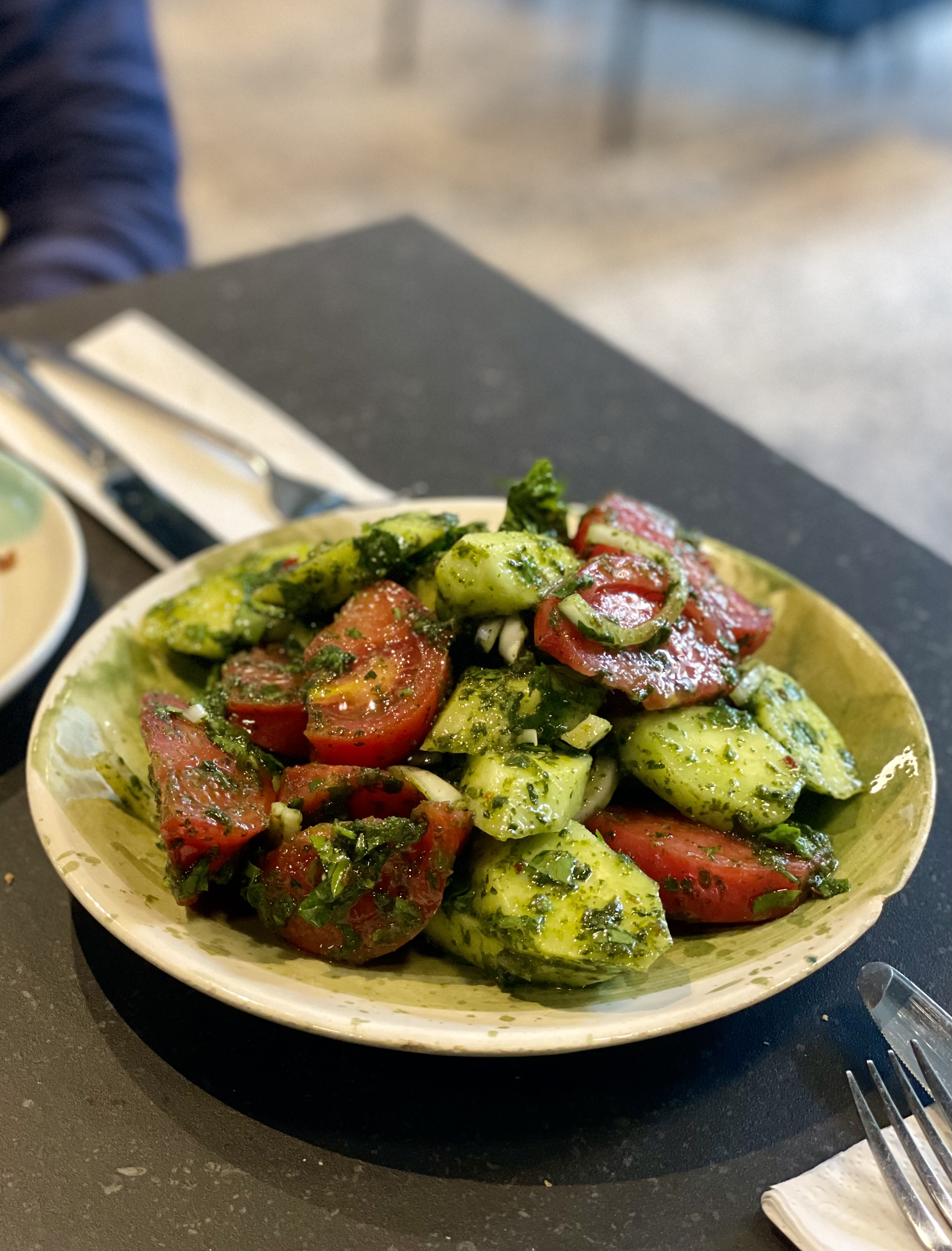
- Kartuli Salata: It’s a fresh and vibrant dish featuring seasonal vegetables, herbs, and often a walnut dressing (tomato, cucumber, onion, cilantro, parsley). This is one you’ll end up eating every day. It’s fresh, tasty, colorful, and the perfect starter for lunch or dinner. The tomatoes are incredibly flavorful, the cucumbers perfectly chilled, and the herbs work their magic.
- Tolma: It is a dish of grape leaves stuffed with a flavorful mixture of meat, rice, and herbs. This dish is popular not only in Georgia but also throughout the Caucasus and Middle Eastern regions, each offering its own variations. Unfortunately, this dish is only served in the fall when fresh grape leaves are available. I was looking forward to trying it, but in May, there were no options to sample it anywhere. I’ll have to come back for that one!
- Chacha and Wine are two of the most traditional Georgian drinks. Chacha is a traditional Georgian grape spirit often referred to as ‘Georgian vodka,’ and you should not miss any opportunity to try it. The wine needs no extra explanation, as Georgia is one of the oldest wine-producing regions in the world, renowned for its unique qvevri wine-making method. You can sample Saperavi (red) and Rkatsiteli (white) wines. When at a restaurant, always ask for qvevri wine. A qvevri is a large, egg-shaped clay vessel that can vary in size, often holding anywhere from several hundred to several thousand liters of wine. Traditionally handmade, the qvevri is lined with beeswax on the inside to ensure it is waterproof and to subtly influence the wine’s flavor. This is a natural method of making wine, and any sommelier will cherish it.
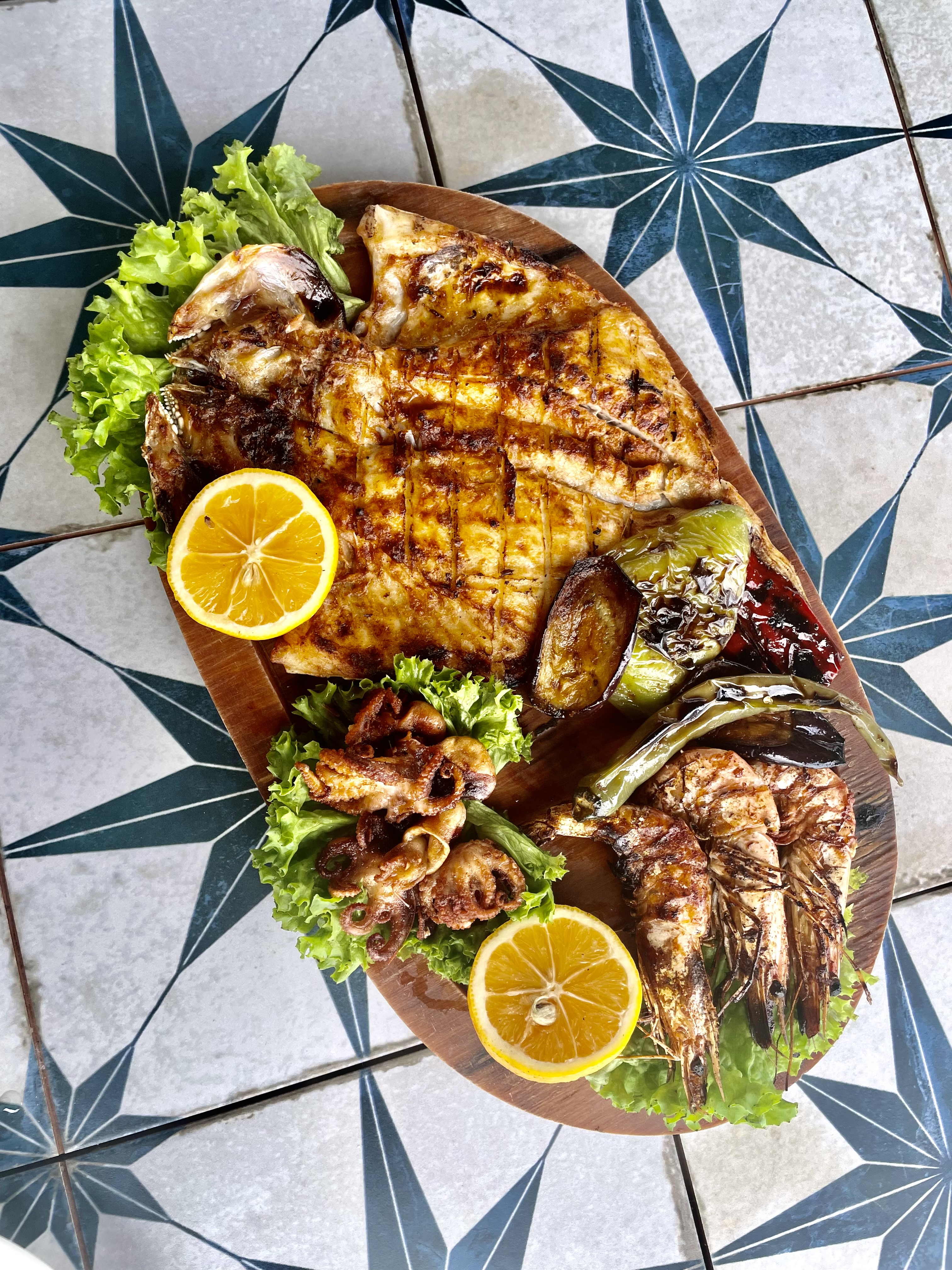
- The Black Sea provides access to fresh seafood that is relatively inexpensive for its first-class quality compared to other countries. It is often grilled or baked and served with a variety of sauces and sides. You can find it in Tbilisi and Batumi, but the fish is fresher in Batumi, so don’t miss the opportunity to try it there.
- Extra tip: Georgia is known for its high-quality cold-pressed sunflower oil, which retains more nutrients and has a richer flavor. It is prized for its purity and lack of additives or preservatives. I must confirm this, as I have never tasted better sunflower oil in my life. Coming from the Mediterranean, where we mainly use olive oil, I have often found sunflower oil to be of low quality in supermarkets. Don’t miss the opportunity to try this; you can also ask for it in restaurants, where it usually comes for around 5 GEL with bread. Another special oil is cold-pressed grape seed oil, a byproduct of winemaking, particularly from Georgia’s diverse and ancient vineyards. I only saw it at Winery Khareba, which minimizes waste during wine production. I also recommend trying this gastronomic delight with some crunchy baked bread.
Where to Find the Best Traditional Georgian Cuisine?
My Top 11 Restaurants and Dining Spots:
- VELIAMINOV (Tbilisi) – Authentic Georgian Restaurant – Everything’s exceptional
- MAPSHALIA (Tbilisi) – The Best Adjaruli Khachapuri I’ve Ever Had
- CAFE LITTERA (Tbilsi) – The most beautiful restaurant in Tbilisi
- CAFE DAPHNA (Tbilisi) – Exceptional Khinkali and Imeruli Kachapuri
- SHAVI LOMI (Tbilisi) – Exceptional Pkhali and wine
- FISHLANDIA ( Batumi) – Best fish restaurant
- HEART OF BATUMI (Batumi) – Best chicken
- PANORAMA KAZBEGI ( Kazbegi)
- OKROS WINE RESTAURANT AND CELLAR ( Sighnaghi)
- PHEASANTS TEARS WINERY ( Sighnaghi)
- Ethnographer and Ethno Tsiskvili (Tbilisi) – Dinner with Traditional Georgian Dance Performances
My dear traveler, we have reached the end of Georgian Tip Tab. With all this information, I wish you safe travels, an amazing experience, and gastronomic delights when visiting Georgia.
-Travel Tip Tab
 Travel Tip Tab