
Nicaragua, often referred to as ‘the land of lakes and volcanoes,’ is a treasure trove of natural wonders and rich cultural heritage. Situated between Honduras and Costa Rica in Central America, it offers an unforgettable blend of colonial architecture, vibrant cities, and breathtaking landscapes. The culinary experience is equally impressive, ensuring that visitors won’t be disappointed. Known for its appeal to younger travelers aged 20-30, Nicaragua truly has something for everyone.
Nicaragua is the largest country in Central America, boasting a population of approximately 7 million inhabitants, with about one million residing in its capital, Managua. The country spans an area of around 130,370 square kilometers (50,340 square miles). Known as ‘the land of fire and water,’ Nicaragua is renowned for its numerous volcanoes and lakes, as well as its two coastlines along the Pacific Ocean and the Caribbean Sea. The country is home to around 50 volcanoes; about 19 are active, while the remaining are inactive or extinct. One of its most notable features is Lake Cocibolca (also known as Lake Nicaragua), which is the largest lake in Central America and home to Ometepe Island.

In this blog post, you’ll find what to see, where to eat, how to get around, and where to stay in Nicaragua. I want to introduce you to the top tourist destinations, lodging options, transportation tips, essential information for traveling, and local cuisine that Nicaragua has to offer. This country left a lasting impression on me, as it pleasantly surprised me in every way imaginable.
WHAT TO SEE IN LEÓN
León, with a population of around 200,000 inhabitants, is a vibrant colonial city rich in history, culture, and adventure It’s known for its revolutionary past, stunning architecture, and lively arts scene. León played a crucial role in Nicaragua’s revolutionary history, serving as a center for political and intellectual movements. The city’s walls are covered in revolutionary murals and political graffiti, reflecting León’s activist spirit and history. Walking through the streets feels like stepping into an open-air art gallery. Today, the city retains its rebellious spirit and is home to universities and a thriving arts culture. Here you will be able to explore:
León Cathedral (Basilica de la Asunción) – the largest cathedral in Central America and a UNESCO World Heritage site. This magnificent architectural gem boasts breathtaking rooftop views, offering a panoramic spectacle of the city and its encircling volcanoes. Within its sacred walls lies the tomb of Nicaragua’s most revered poet, Rubén Darío. Here’s a little tip: if you want to walk barefoot on the rooftop of León Cathedral, you’ll need to pay around $3. To access the rooftop, don’t enter through the main doors. Instead, head to the back of the cathedral near Mercado de León. Look for a very small door where an elderly lady will collect your entrance fee. After paying, you’ll need to walk around the building to reach a separate entrance that leads up to the rooftop—this is not through the main entrance.
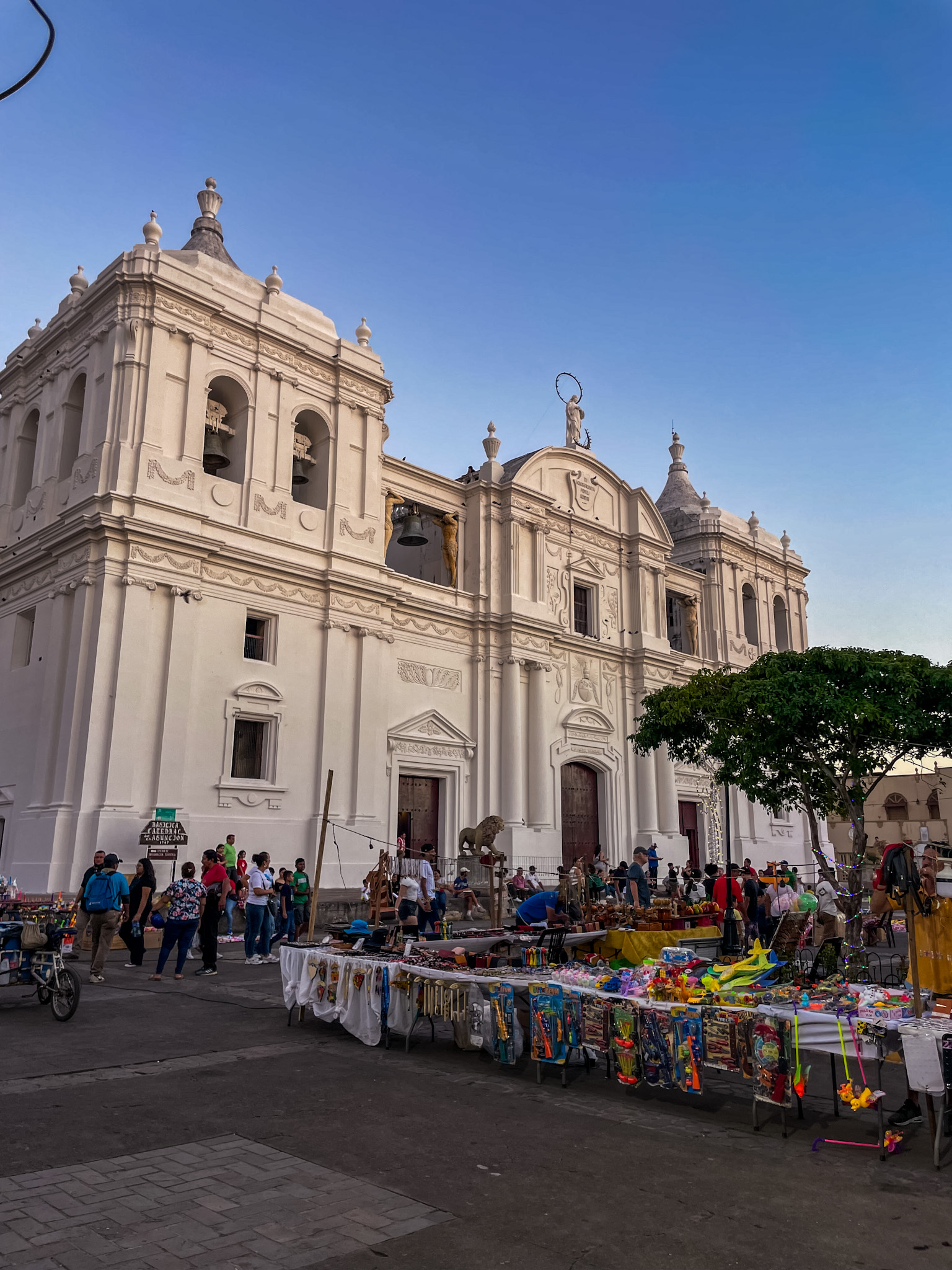


While wandering through the city, you can visit the Museum of the Revolution, housed in a historic colonial building. This museum vividly narrates León’s pivotal role in Nicaragua’s Sandinista Revolution.
León offers one of the world’s most unique adventures—Volcano boarding at Cerro Negro. This exhilarating experience takes you up the slopes of an active volcano, where you’ll hike to the summit before gliding down its steep, black terrain on a wooden board. Typically, tours can be booked online or through your hotel or hostel. A little tip from me to you: when you’re on a volcano, it might look steep at first, but trust me, the small rocks are blocking your speed. If I were to do it again, I wouldn’t brake at all with my legs. Just go and enjoy the ride.
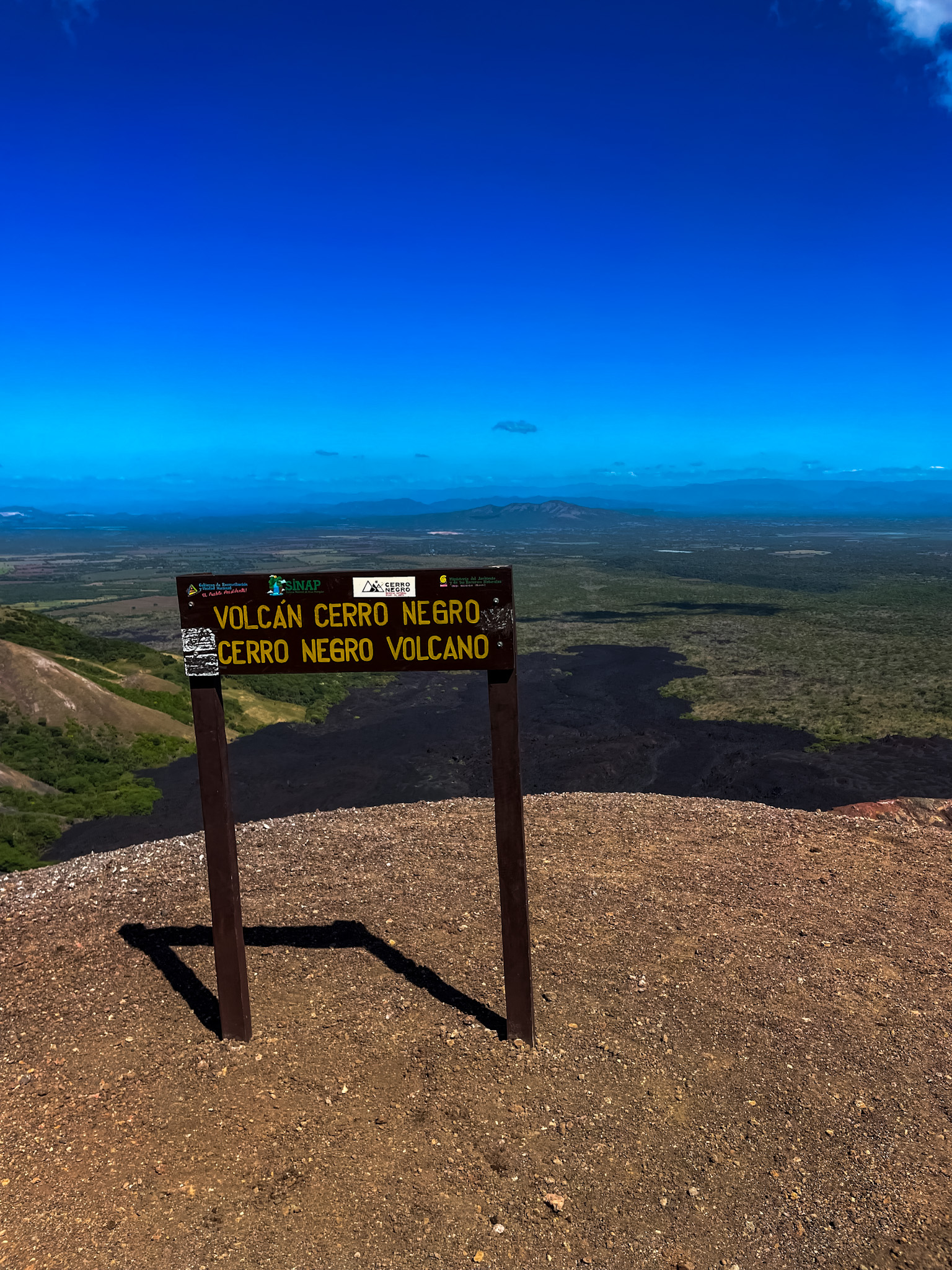
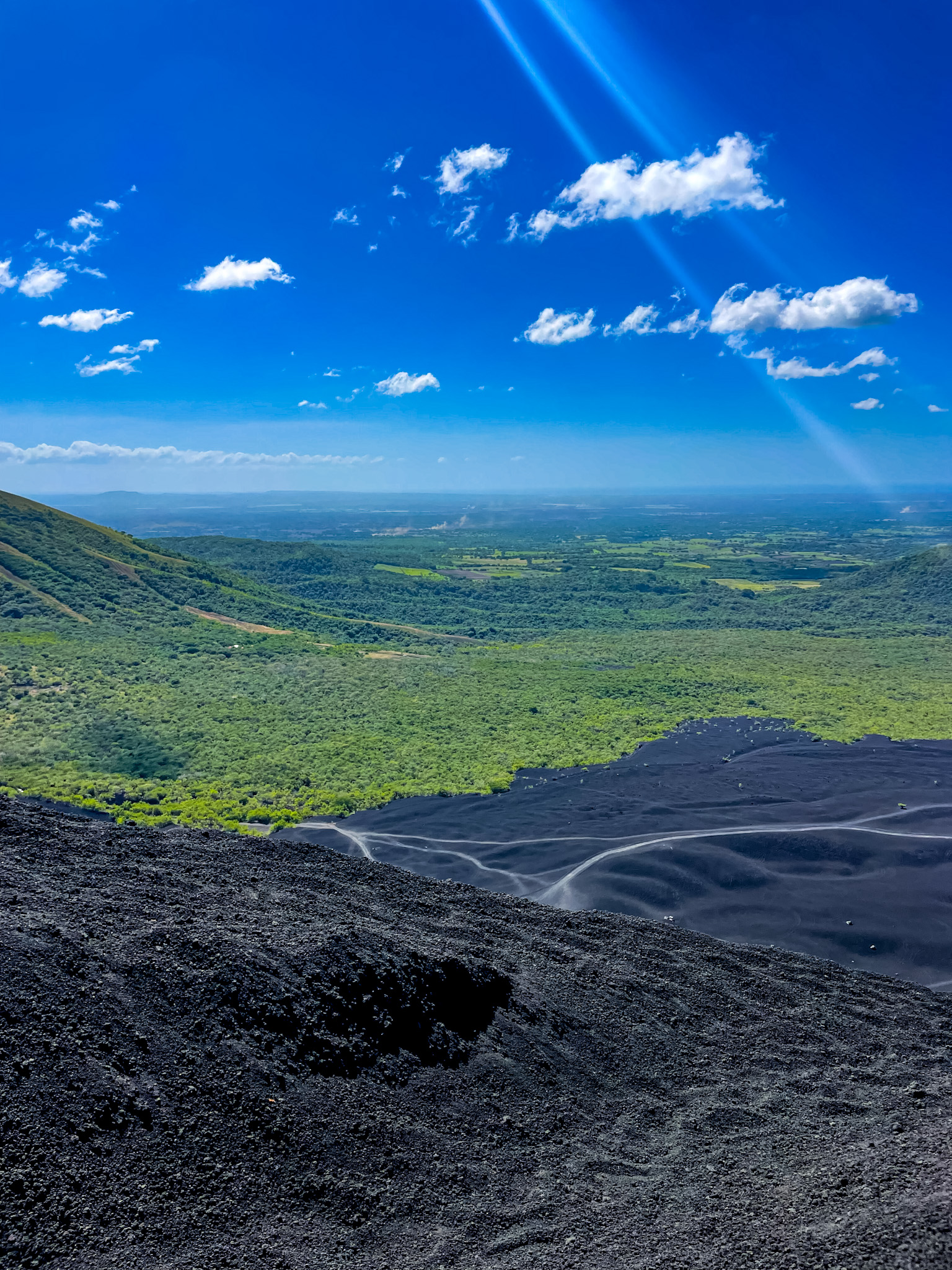
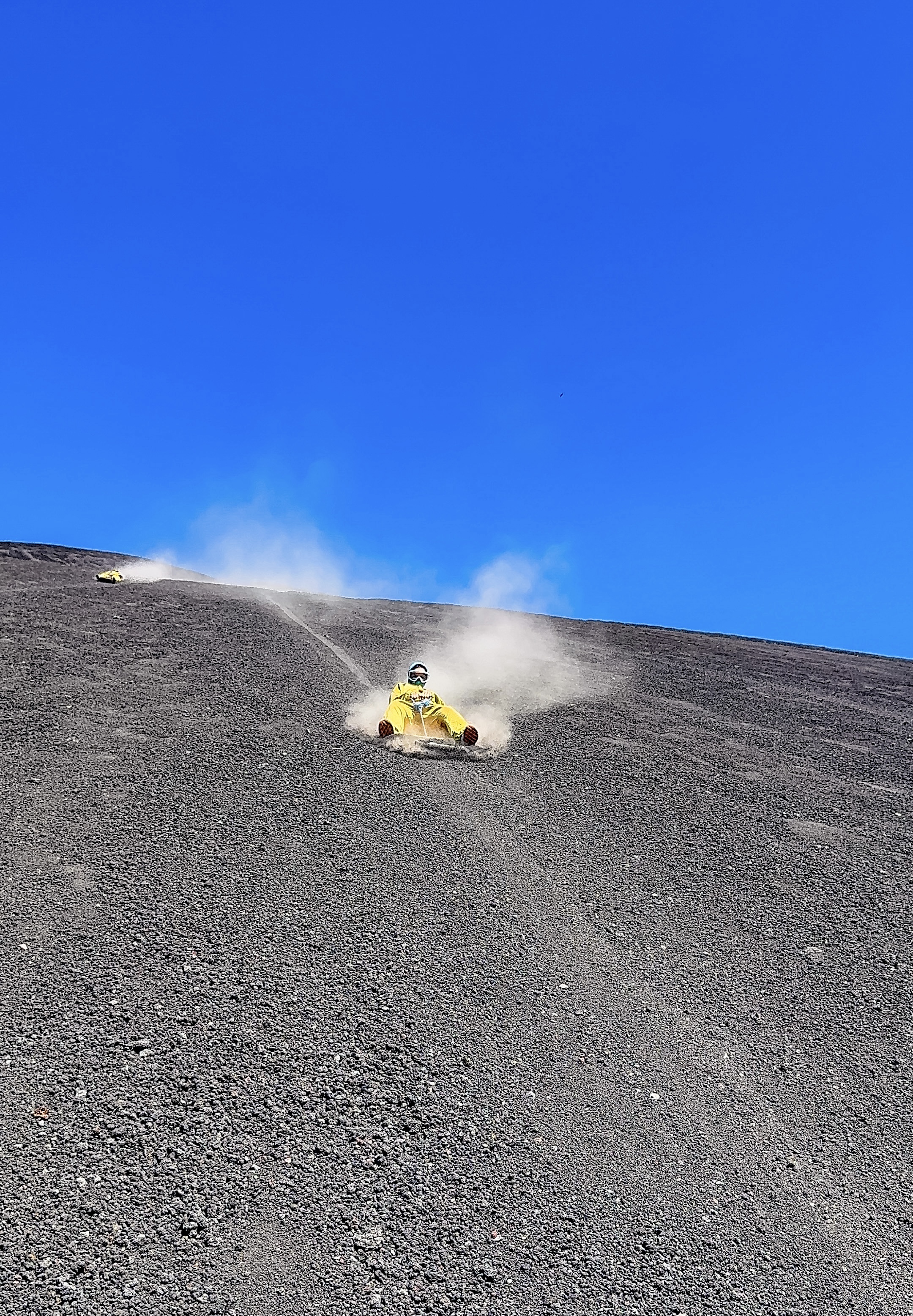
When booking a morning volcano boarding tour with an agency, you’ll often receive a complimentary same-day shuttle to Las Peñitas Beach and back (a 30-minute drive each way). This laid-back coastal town is ideal for surfing, unwinding, and savoring fresh seafood. For a touch of adventure, you can also take a boat tour through the mangroves of Juan Venado Island.
You can also visit the Rubén Darío Museum, dedicated to Nicaragua’s most celebrated poet. Housed in the very home where he grew up, the museum showcases his personal belongings, manuscripts, and letters, offering a glimpse into his life and literary legacy.
One of my favorite experiences was hiking Telica Volcano to witness both the sunset and moonrise from its summit. This active volcano offers breathtaking views, and at dusk, you can gaze into its glowing crater—a truly unforgettable sight. The trek itself is moderate yet highly rewarding. Keep in mind that reaching Telica requires booking with a tour agency, as the road is quite rough and the journey from León takes about two hours each way. Despite the bumpy ride, the experience is well worth it. Tours typically depart from León around 1:00 PM and return by 8:00 PM.
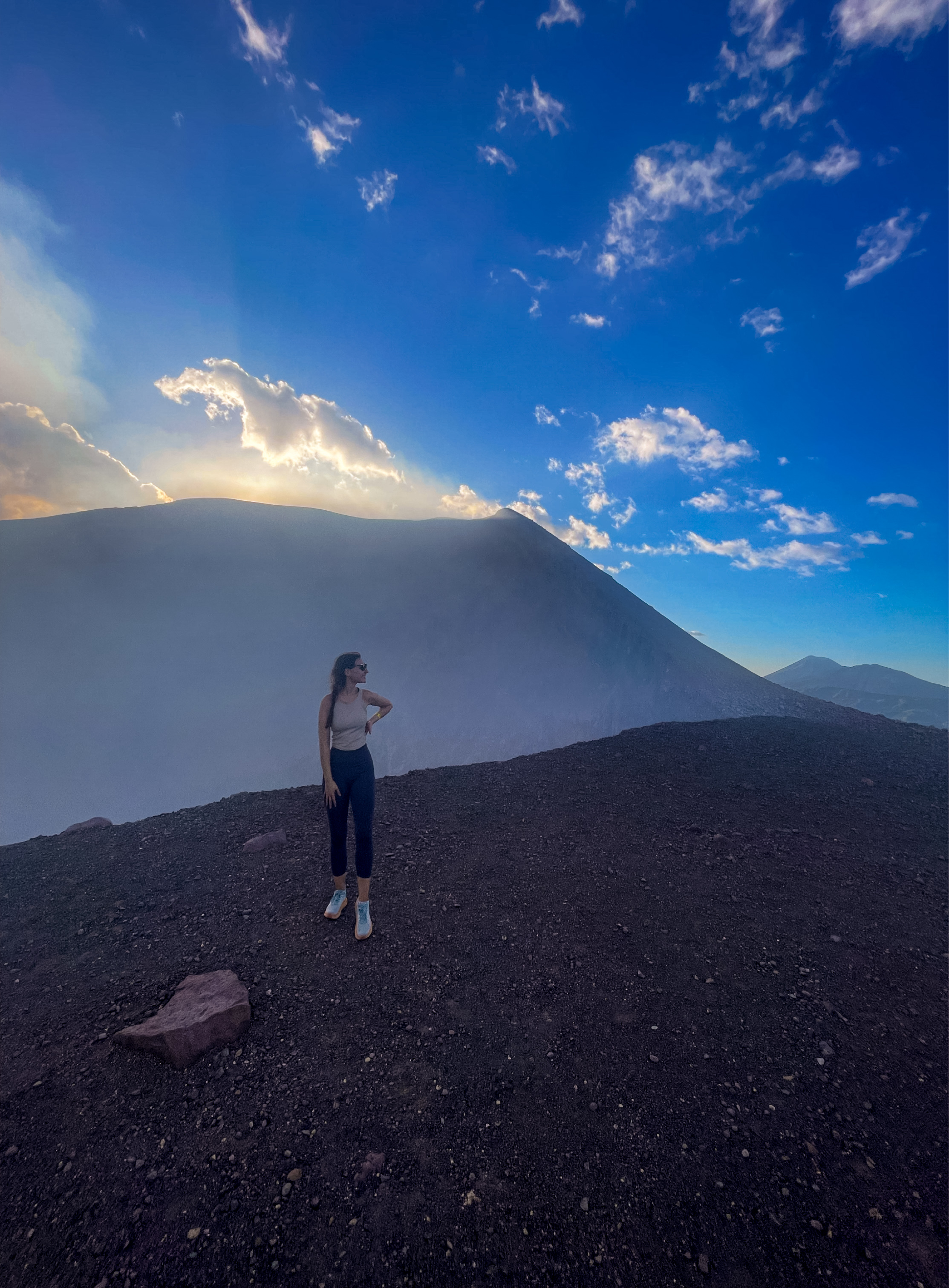
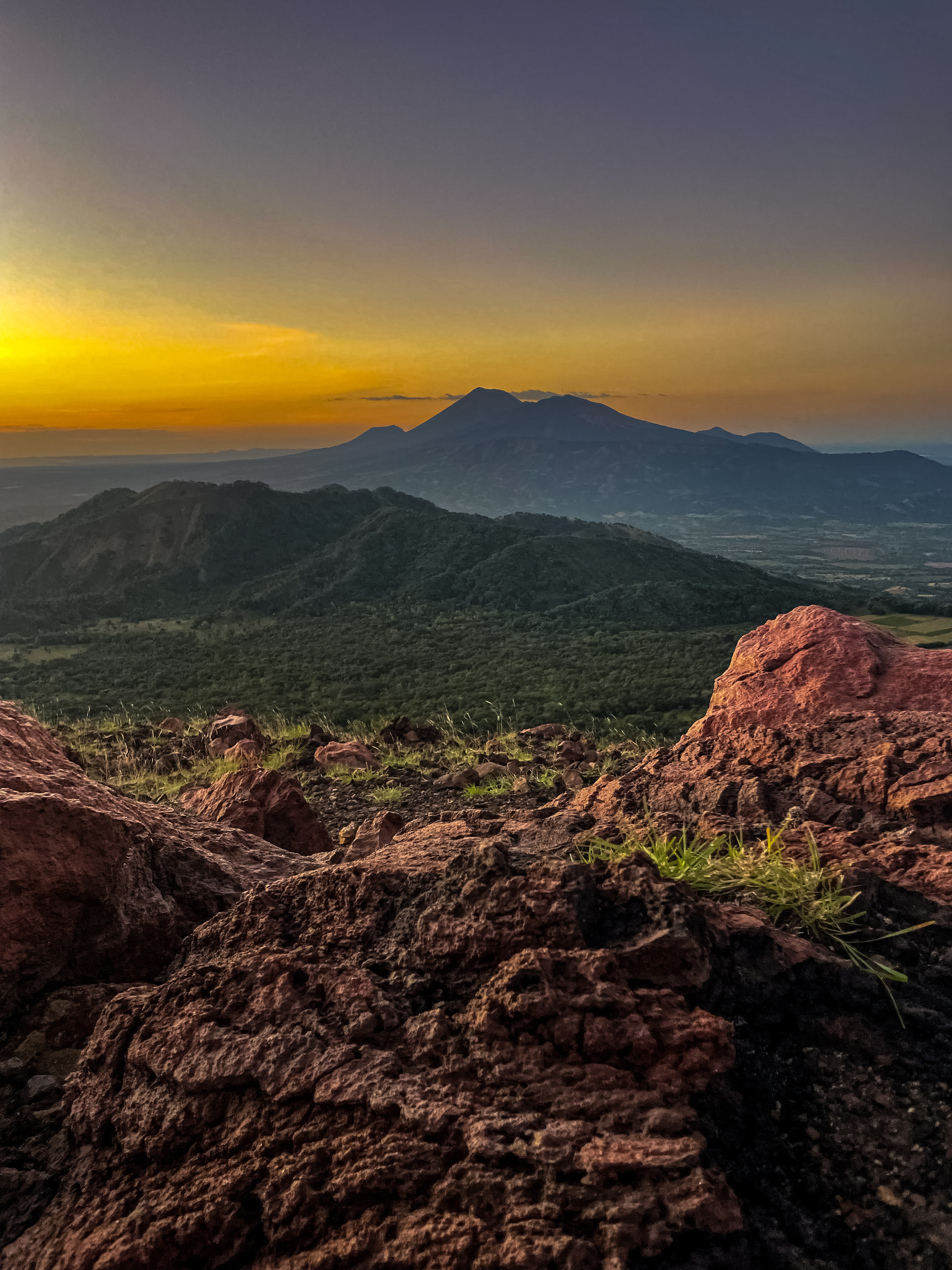
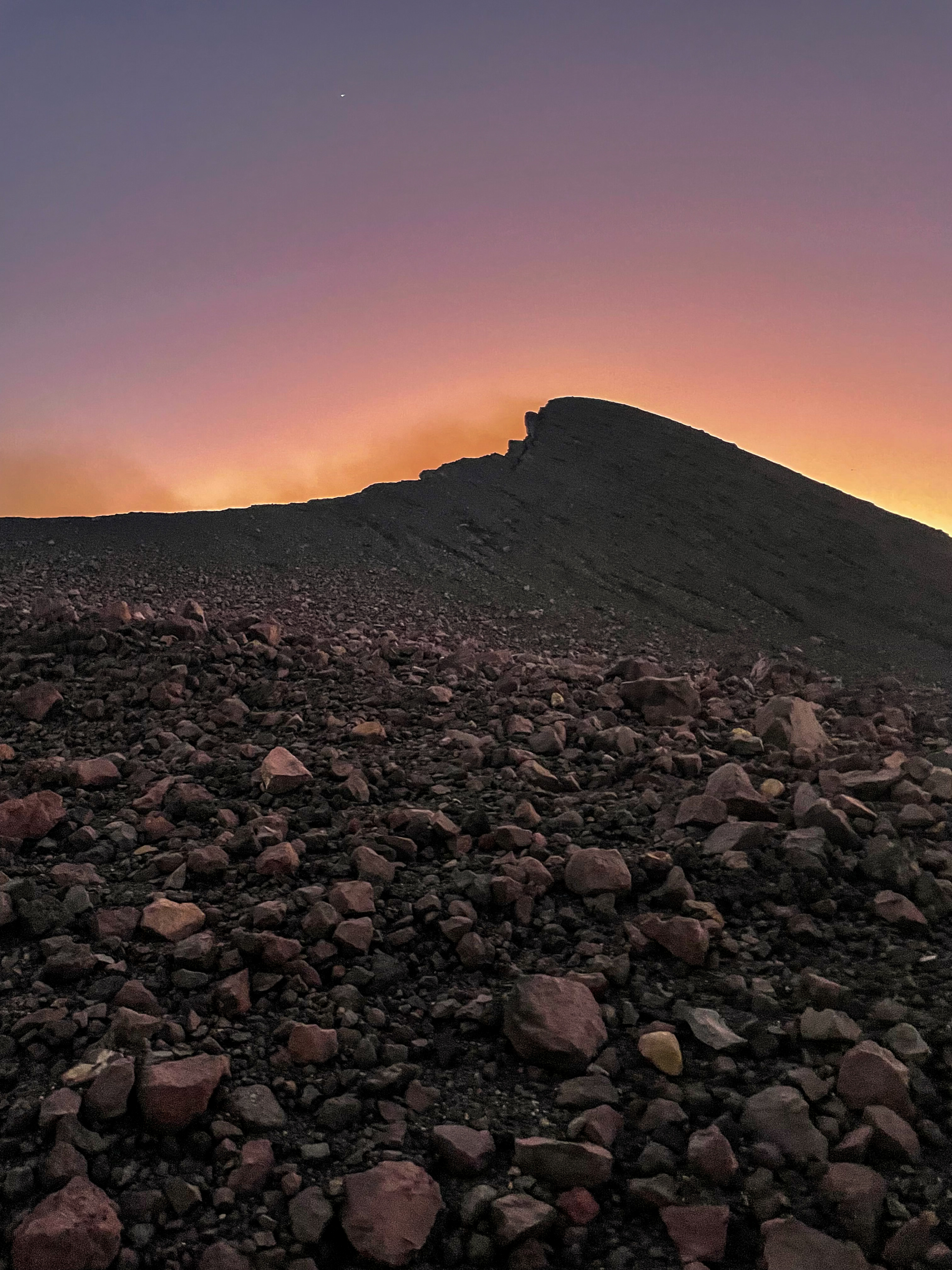
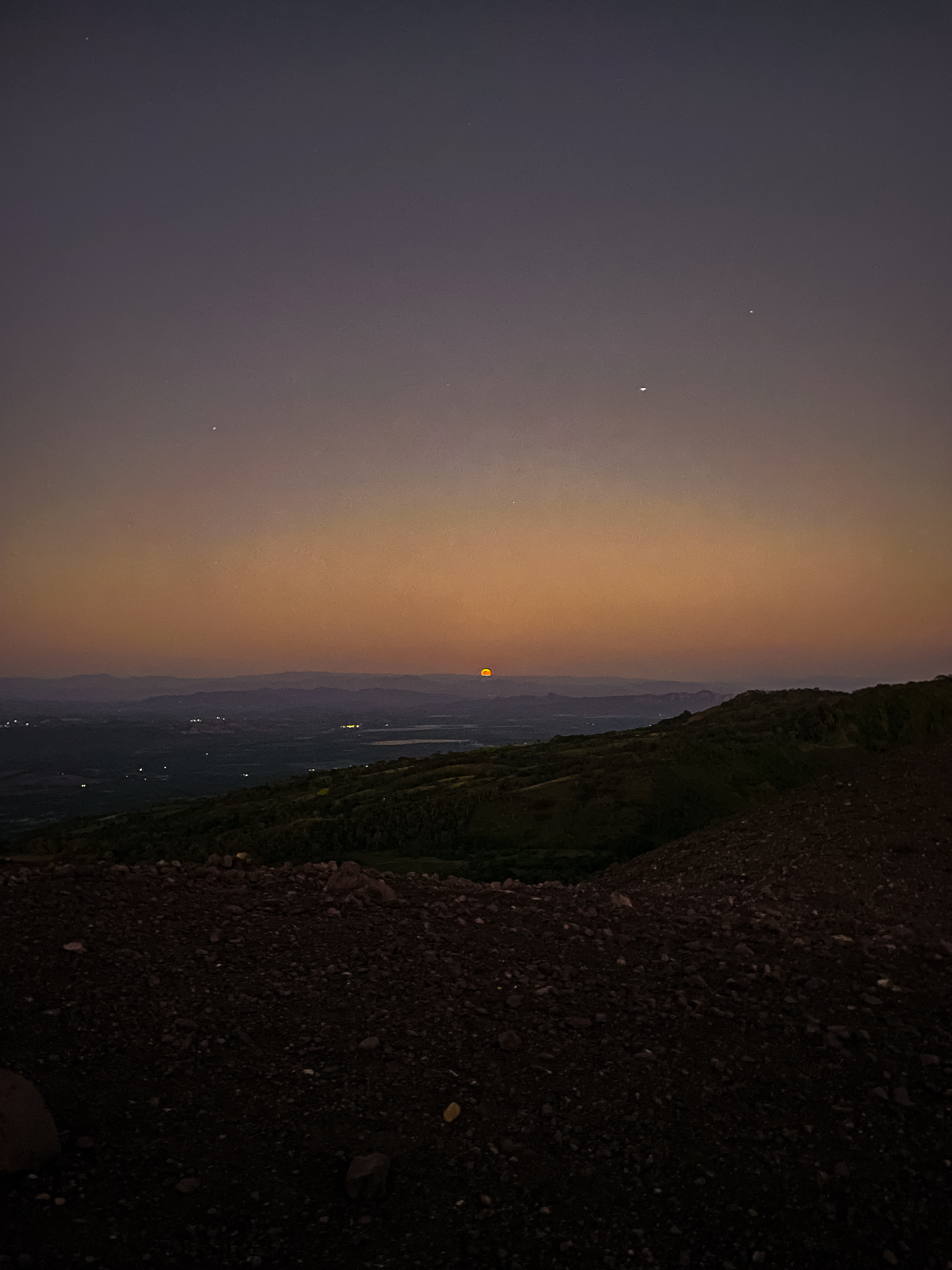
There are countless other activities and volcanoes to explore, such as the Momotombo Volcano, El Hoyo Volcano, and San Cristóbal Volcano. Many agencies also offer the opportunity to camp and spend the night on the volcanoes, providing a truly authentic volcanic experience. Keep in mind that hikes like the one to San Cristóbal will take an entire day. Be sure to bring plenty of water, snacks, and appropriate clothing, as there are no opportunities to purchase supplies along the way. Volcano hikes typically start early in the morning (around 4 or 5 AM), so be prepared for a full day of adventure.
About an hour’s drive from León is located Flor de Caña distillery, which has been producing rum since 1890 and is recognized as one of the world’s most awarded rum brands. The family-owned distillery has been passed down through five generations, enduring political unrest, volcano eruptions, and earthquakes. The distillery’s location near the San Cristobal volcano enriches the soil and water with minerals, which imparts a unique volcanic character to the rum. Flor de Caña provides tours of its distillery and museum, giving visitors the opportunity to discover the history and production of the rum.
If you’re wondering where to sleep in León, rest assured that this vibrant city offers a diverse range of accommodations to suit every taste. For those seeking luxury, Hotel La Perla 1858 is an excellent choice, boasting neoclassical architecture and historic charm. If you prefer the vibrant atmosphere of hostels with private rooms, La Tortuga Booluda is a great option for enjoying student activities. However, the most popular hostel among tourists is ViaVia León, from which many guided tours depart.
WHAT TO SEE IN SAN JUAN DEL SUR (SJDS)
Nicaragua’s crown jewel of the Pacific, is a haven where golden sands meet rolling waves, and adventure blends seamlessly with relaxation. A paradise for surfers, sun-chasers, and free spirits. It offers Stunning scenery, lively nightlife, and endless adventures. Here’s what makes it special:
Cristo de la Misericordia Statue – one of the tallest ( 26 meters/85 feet) Christ statues in the world, this landmark sits on a hill overlooking San Juan del Sur. The short but steep hike up rewards you with breathtaking panoramic views of the bay and surrounding coastline—perfect for sunset!
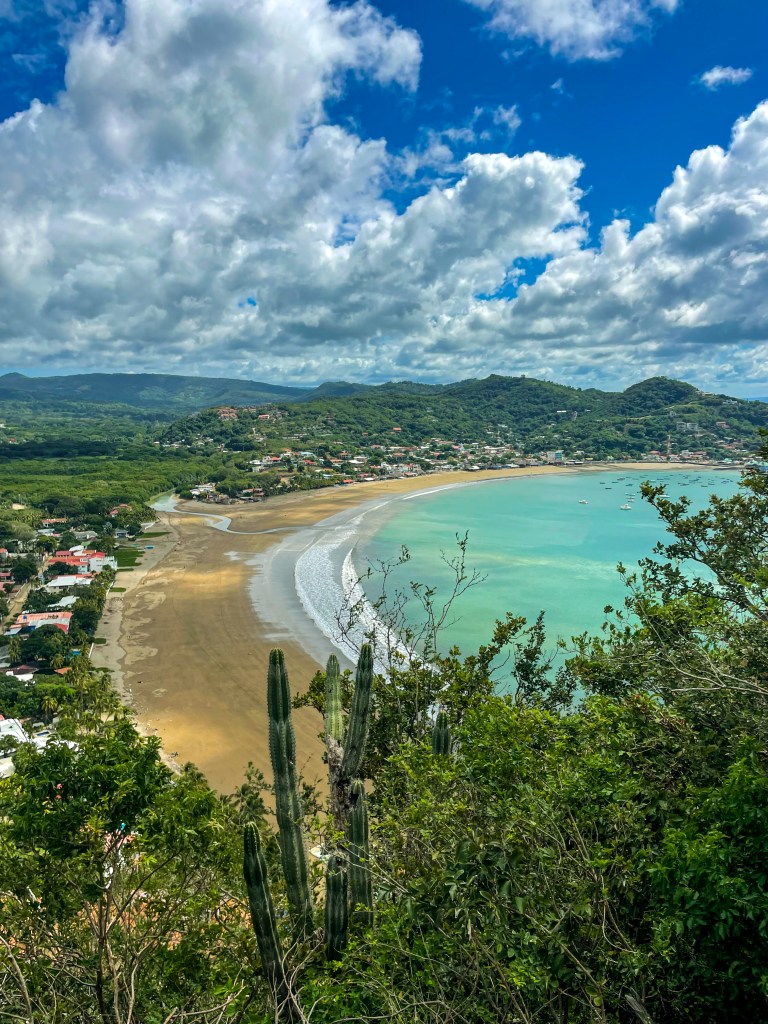

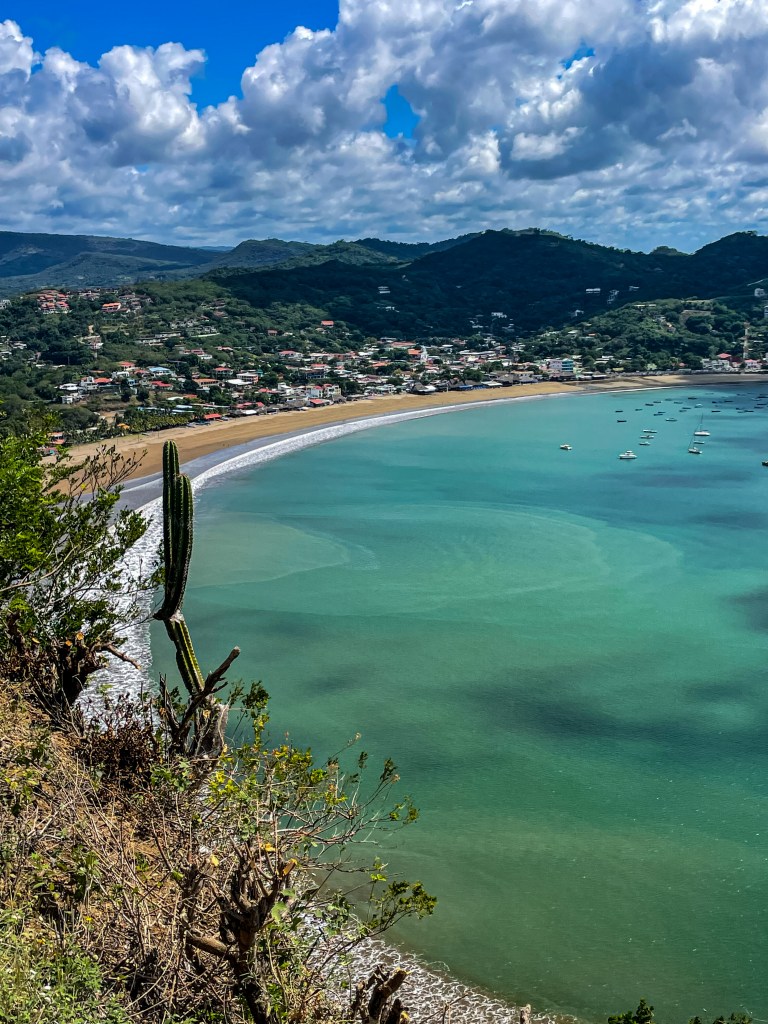
There are several beautiful beaches near San Juan del Sur, each offering a unique experience: Playa Maderas – A top surf spot known for its consistent waves and laid-back vibe. Playa Hermosa – Perfect for swimming and relaxing, with fewer crowds. Note that there is an entrance fee. Playa El Yankee – A more secluded beach with stunning cliffside views, ideal for those seeking tranquility. Playa La Flor – Turtle Watching if you’re visiting between July and January, take a trip to La Flor Wildlife Reserve, where thousands of olive ridley sea turtles come ashore to nest. Seeing baby turtles hatch and make their way to the ocean is a magical experience.
SUNDAY FUNDAY Pool Crawl– If you’re up for a party, SJDS offers one of Central America’s biggest bar crawls. It takes you through different hostels and pool parties, making for an unforgettable experience. It’s best to check with your hotel or hostel for the most up-to-date information once you arrive.
Other activities: such as Yoga with an ocean view ($10-$20/hour). However, based on my experience, the quality of instruction can vary, as some teachers may lack deep knowledge of the practice—though the setting itself is undeniably beautiful. For more adventure, you can explore nearby beaches by ATV or book horseback riding. Another great option is a catamaran cruise (around $80), where you can spend the afternoon on the water, enjoying drinks and snacks.
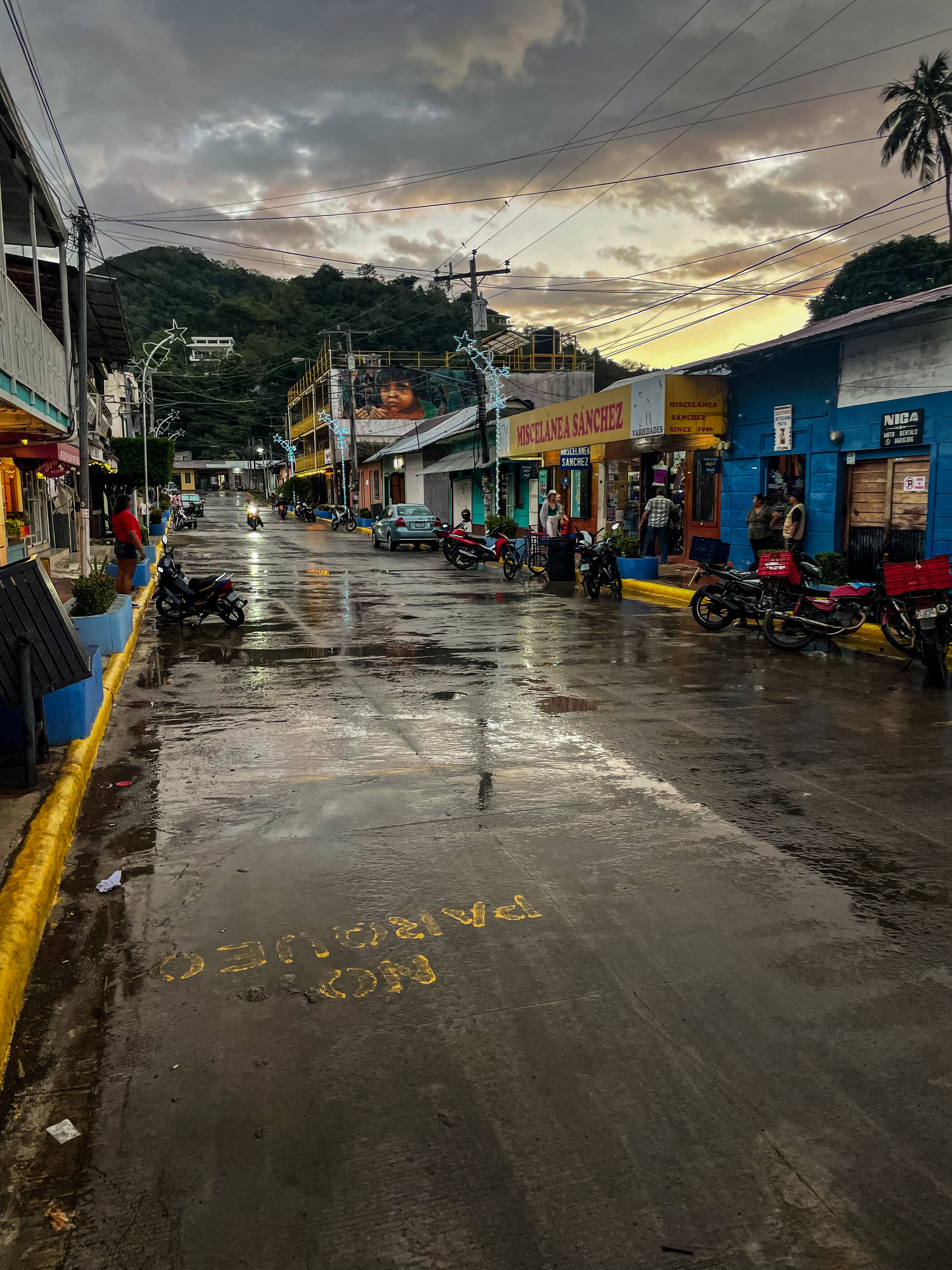
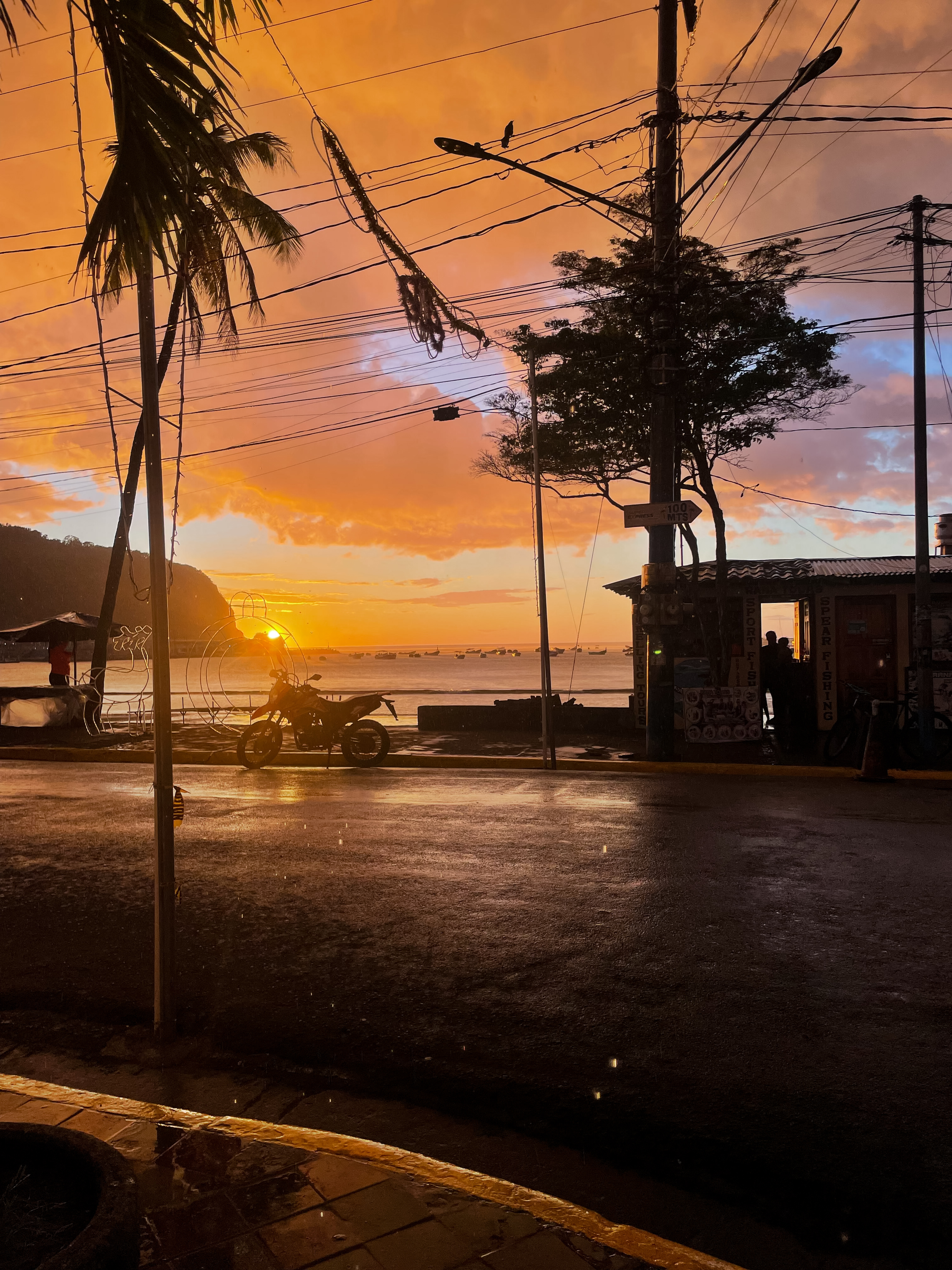
San Juan del Sur, offers an array of accommodations to suit every taste. For those seeking luxury, La Santa Maria Boutique Resort is an excellent choice. If you’re visiting with family and prefer a more peaceful setting, TreeCasa Hotel & Resort provides the perfect blend of tranquility and amenities. For mid-range options, Hotel Alcazar offers comfortable stays at affordable prices. Meanwhile, for the adventurous crowd looking for excitement without boredom, Surf Town Hostel is always lively.
WHAT TO SEE ON OMETEPE ISLAND
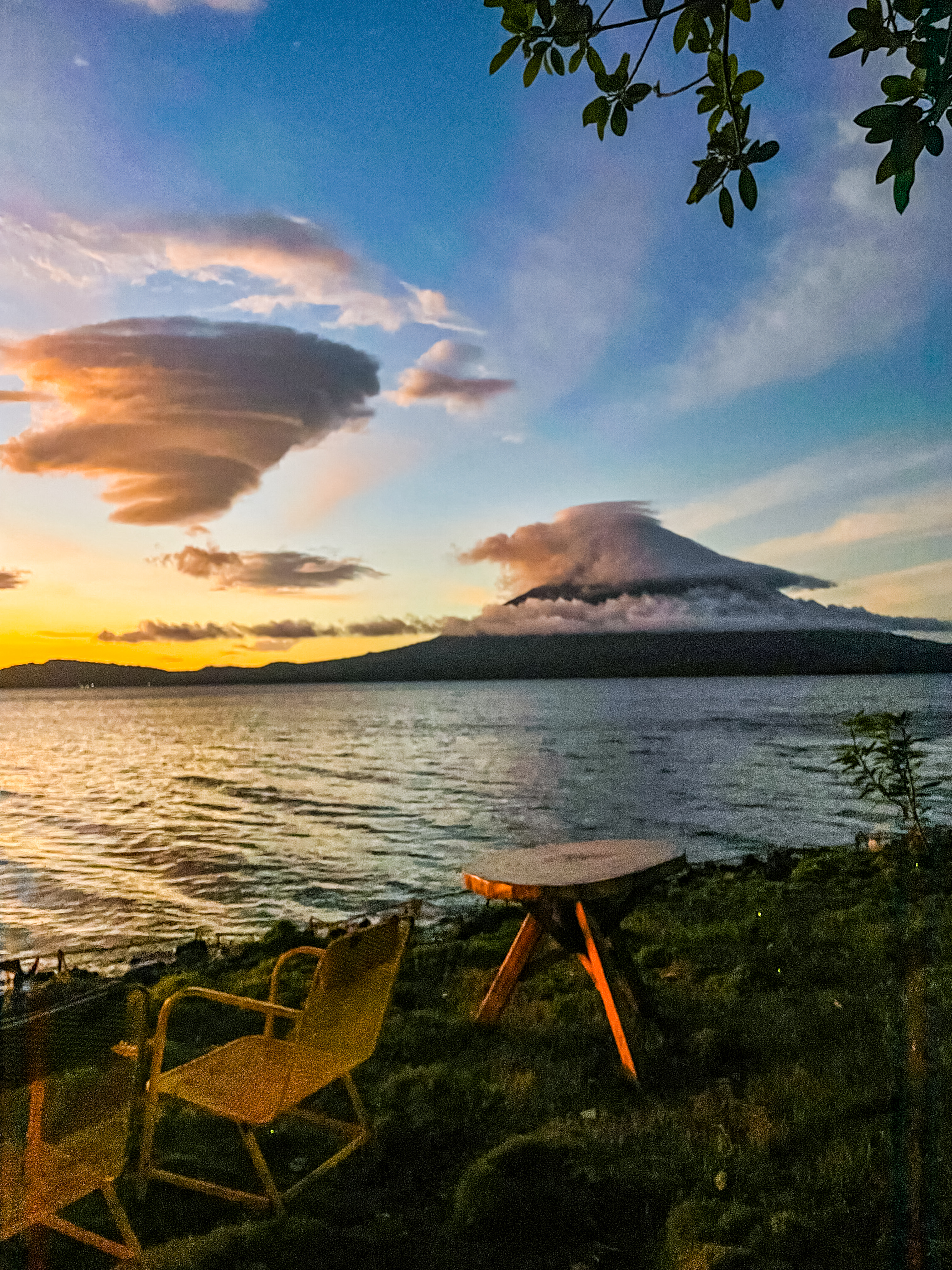
As soon as you step off the ferry onto the island, one of the first things you’ll want to do is rent a scooter. Although the island may seem small, trust me—you’ll likely spend at least three hours per day exploring its amazing spots on two wheels. Ometepe Island spans an area of 276 square kilometers (107 square miles), stretching approximately 31 kilometers (19 miles) in length and ranging from 5 to 10 kilometers (3.1 to 6.2 miles) in width. Ometepe Island is home to approximately 30,000 permanent residents, while it welcomes around 40,000 tourists annually. Ometepe is a magical destination where adventure meets tranquility. The breathtaking twin-volcano island in Lake Nicaragua, is a paradise for nature lovers, adventure seekers, and those looking for a peaceful escape. The word Ometepe, derived from the Nahuatl language, translates to ‘two mountains’ or ‘two peaks,’ referring to the two volcanoes, Maderas and Concepción, that form the island. Ometepe offers a unique mix of outdoor activities, cultural experiences, and stunning landscapes. Here’s what you shouldn’t miss:
Hiking an active Volcán Concepción it is a steep and challenging hike that takes approximately 8 to 10 hours for a round trip. The views from the top are breathtaking, but the climb is demanding. Be mindful of weather conditions, as volcanoes have their own microclimate—it’s possible to hike for hours only to find yourself surrounded by thick fog with no view. Bring a scarf or mask to cover your nose from volcanic gases.
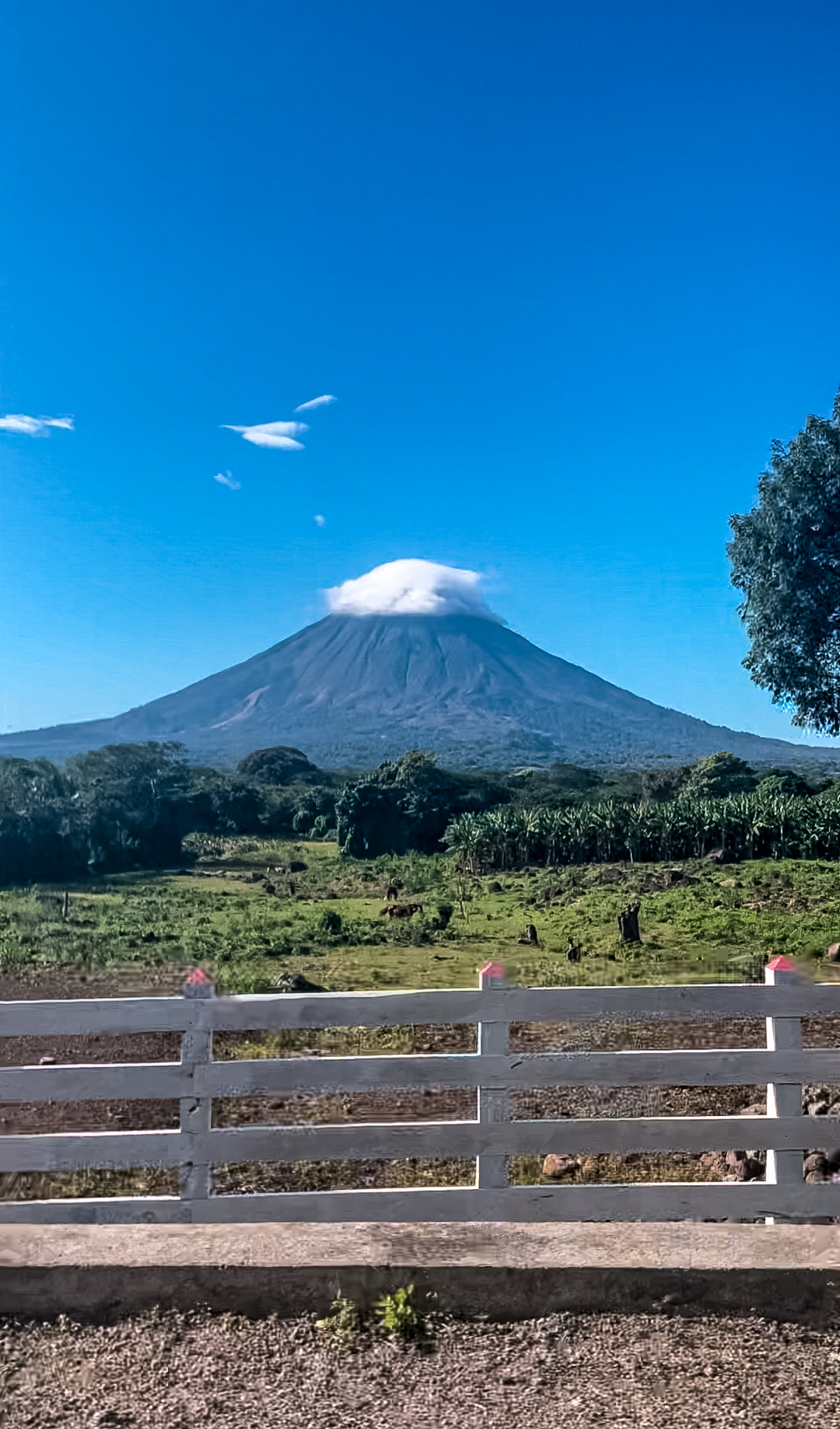
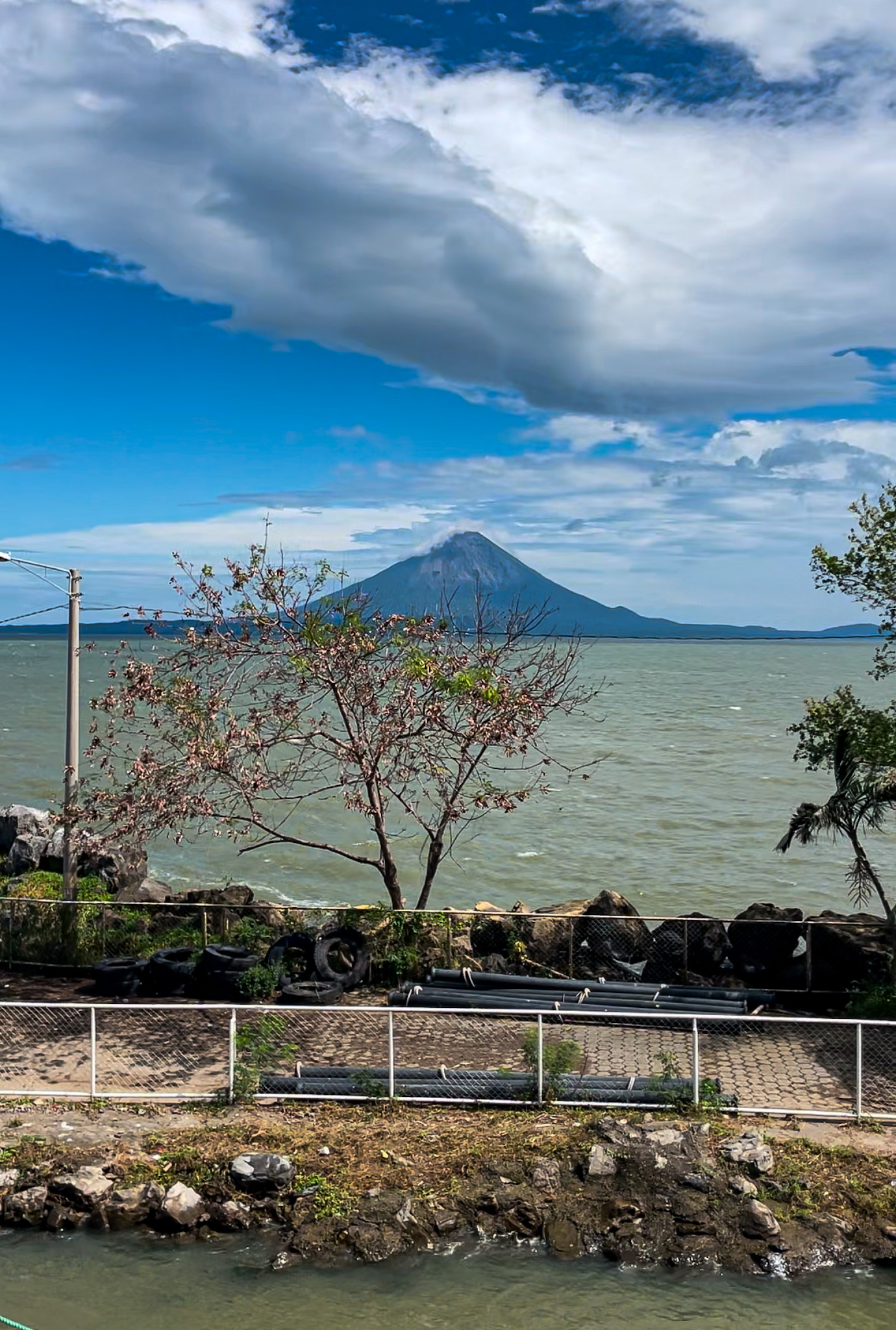
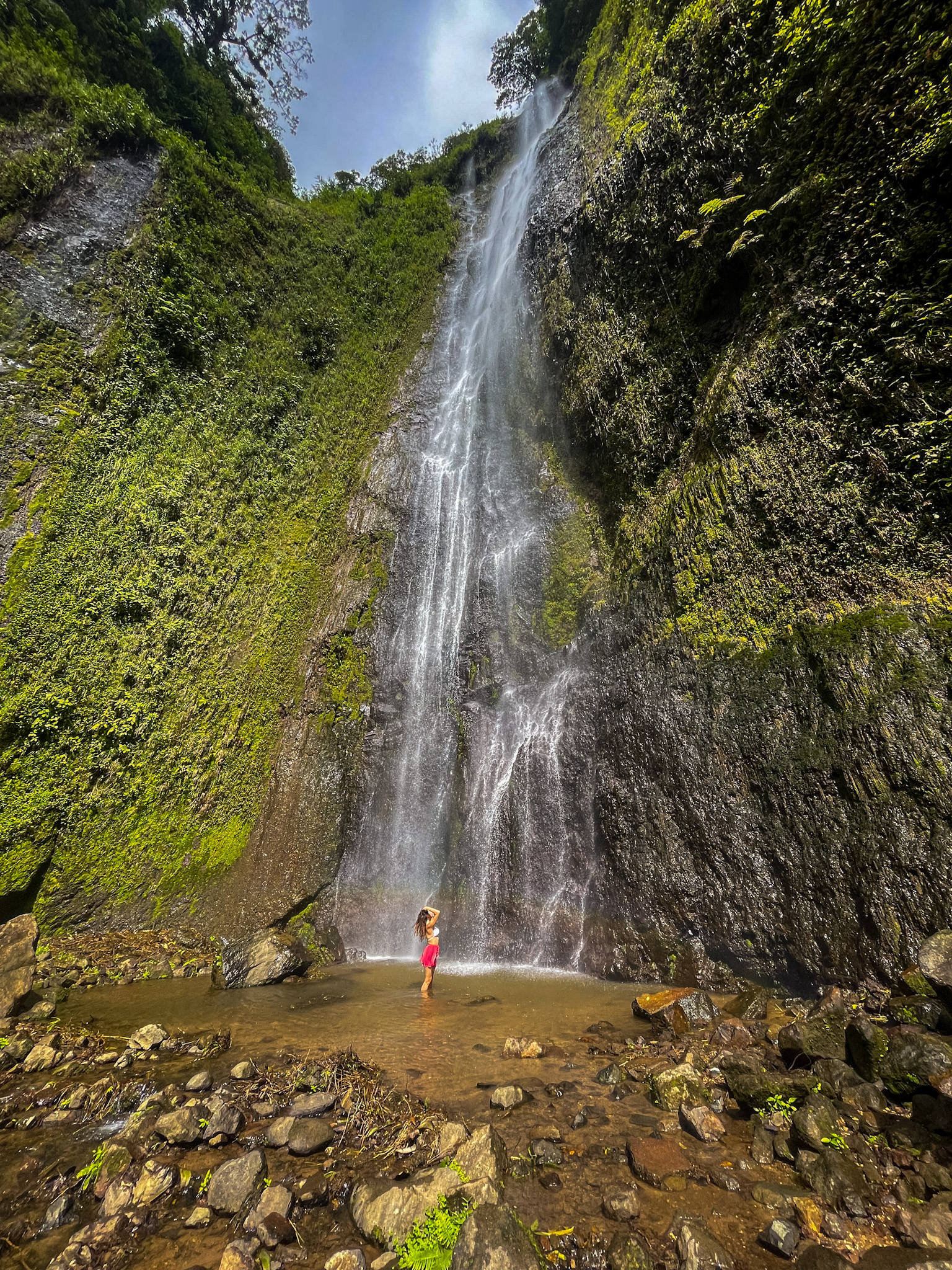
The second one, Volcán Maderas (dormant volcan)– A more accessible yet still strenuous trek through lush cloud forests, leading to a crater lake at the summit. This hike takes 6–8 hours round trip and is rich in biodiversity. If you start from the other side of the volcano, you can also visit the stunning Cascada de San Ramón, a beautiful waterfall along the trail. You’ll also need t o pay a small entrance fee (around 40 córdobas) before starting your trek to waterfall. For both volcano hikes, bring plenty of water and snacks, as there are no places to buy supplies along the way. A guide is required for both volcano hikes, but the waterfall can be visited on your own.
You can rent a kayak and paddle through the Istian River, a lush wetland nestled between the two volcanoes. Along the way, you might spot exotic birds, turtles, caimans, and even capuchin monkeys. While a guided tour is recommended for the best experience, it’s not required—you can also rent a kayak on your own and explore the shoreline at your own pace, enjoying the breathtaking volcano views. Only Kayak rentals typically cost $10–15 per hour. If you opt for a private guided kayak tour, where you will actually see the animals, the price can go up to $33.

On a hot day, visit Ojo de Agua, a natural spring-fed pool, the perfect place to unwind after a long hike. Its crystal-clear waters, surrounded by lush tropical trees, offer a refreshing escape. You’ll find hammocks, lounge chairs, and a small bar serving drinks and snacks. The entrance fee is $10, but $5 of that can be used as credit at their restaurant for food and drinks.
Visit Punta Jesús María, a narrow sandbar extending into Lake Nicaragua, offering breathtaking views of both volcanoes. It’s the perfect spot for a sunset walk or a refreshing swim. Learn from my mistake—I visited in the morning when the water was high, and the sandbar was completely submerged, leaving no path or view. To fully enjoy the experience, visit at sunset, but be sure to check the weather and water levels beforehand.
Ometepe offers a serene escape with scenic hiking trails, diverse wildlife—including howler monkeys and butterflies—and a lagoon steeped in mystical legends. Charco Verde Nature Reserve is an excellent spot for birdwatching and experiencing the island’s peaceful, untouched beauty.
Ometepe Island offers some truly unique places to stay. On the luxury side, Hotel Xalli, provides an upscale experience. For those seeking a more immersive connection with nature, Totoco Eco-Resort is a standout choice. It offers a serene getaway amidst stunning natural beauty, complete with breathtaking views of the volcano and a beautiful pool. Additionally, El Pital Chocolate Paradise combines accommodation options with chocolate-making experiences and dining options, making it an intriguing choice for travelers looking for something special.
Don’t leave Ometepe without trying fresh lake fish, gallo pinto (rice and beans), tostones con queso (fried plantains with cheese), and locally grown coffee and cacao. Many small farm-to-table restaurants serve delicious home-cooked meals.
WHAT TO SEE IN GRANADA
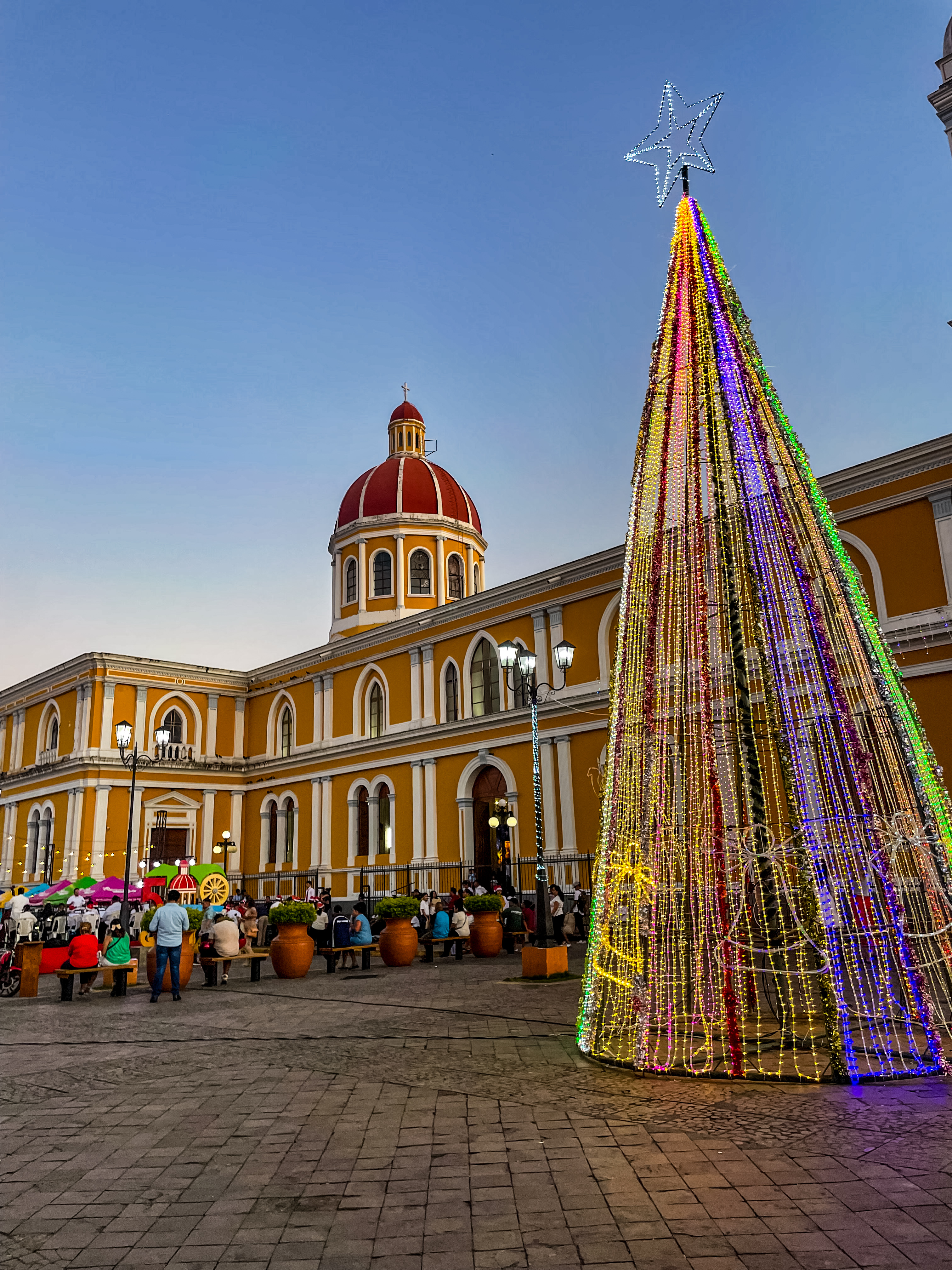
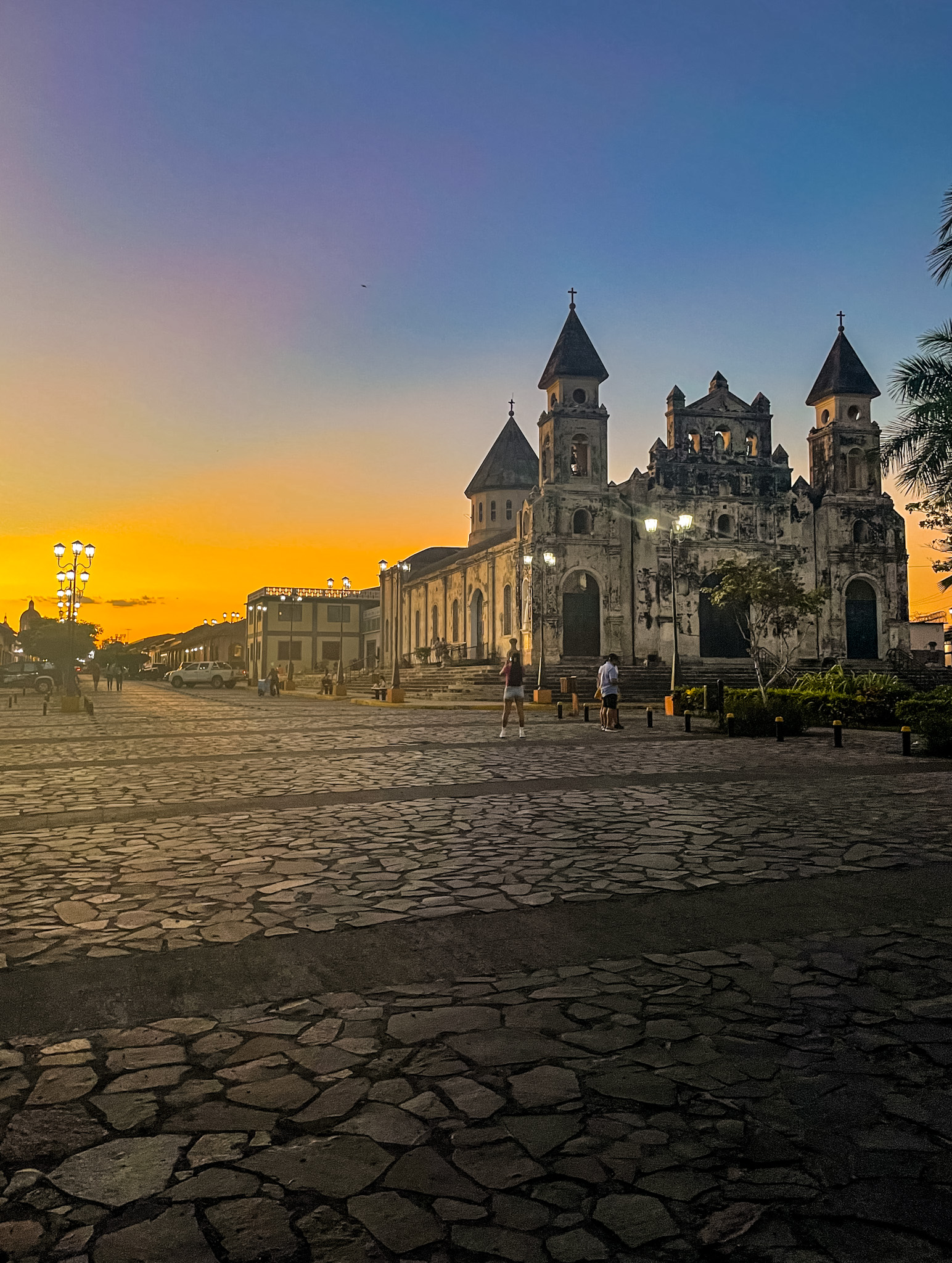
Just an hour’s drive from Managua Airport lies Granada, one of Nicaragua’s most beautiful and historic cities. The City of Granada is one of the most ancient cities founded by the Spaniards in 1524 and constituted one of the principal cities of the colonial era and of the XIX century in Central America. With an estimated population of 135.000 habitants, Granada is also known as La Gran Sultana and owes its distinct character to Moorish and Andalusian influences which is setting it apart from its historical rival, León. The city was named after Andalusian Granada, in Spain. It is known for its well-preserved colonial-era architecture, with neoclassical buildings, tiled roofs, and narrow, romantic streets. With its colonial charm, colorful streets, and stunning natural surroundings represents a must-visit destination in Nicaragua that is offering the perfect blend of history, culture, nature, and adventure.
Here are the top recommended activities:
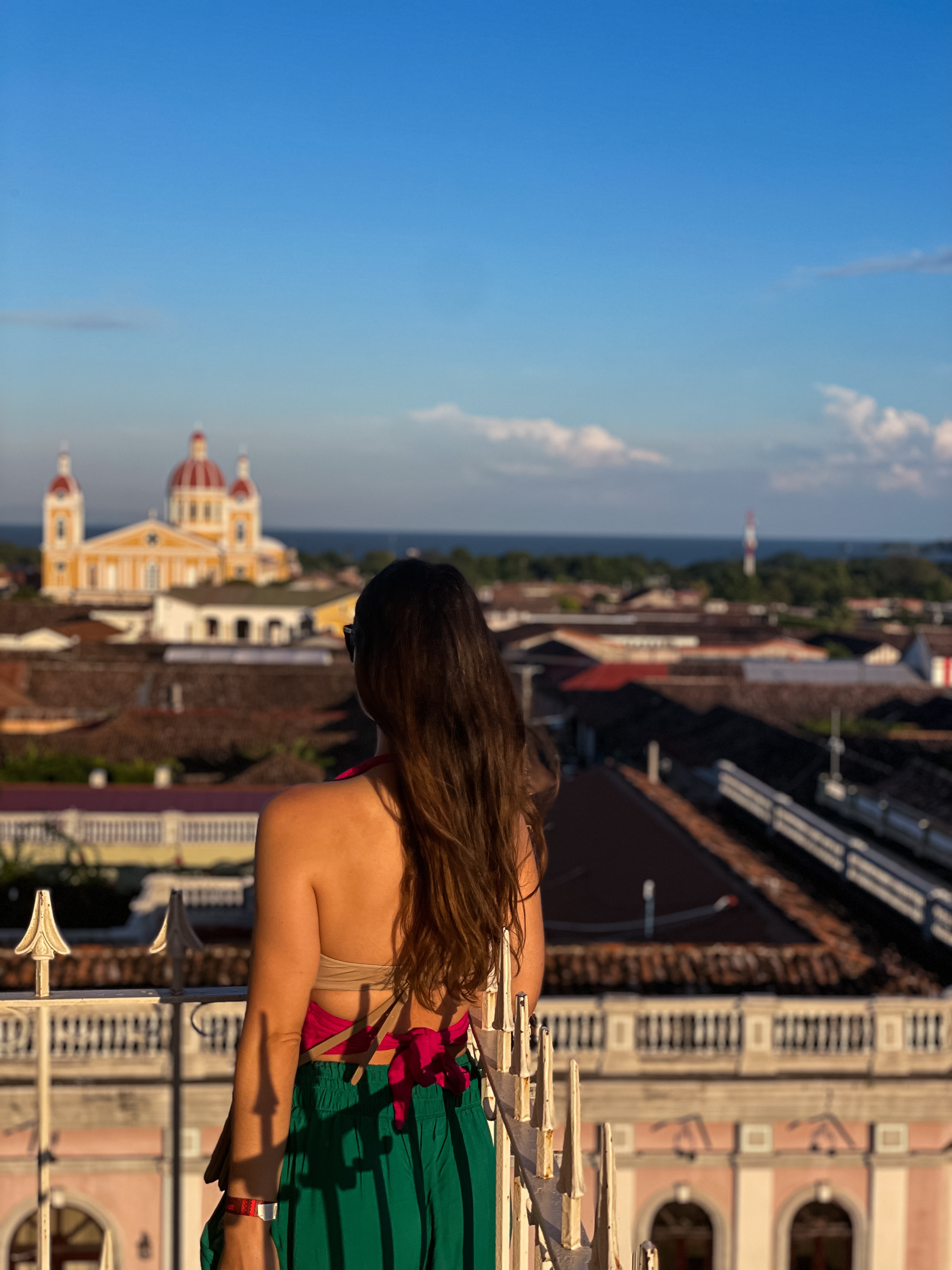
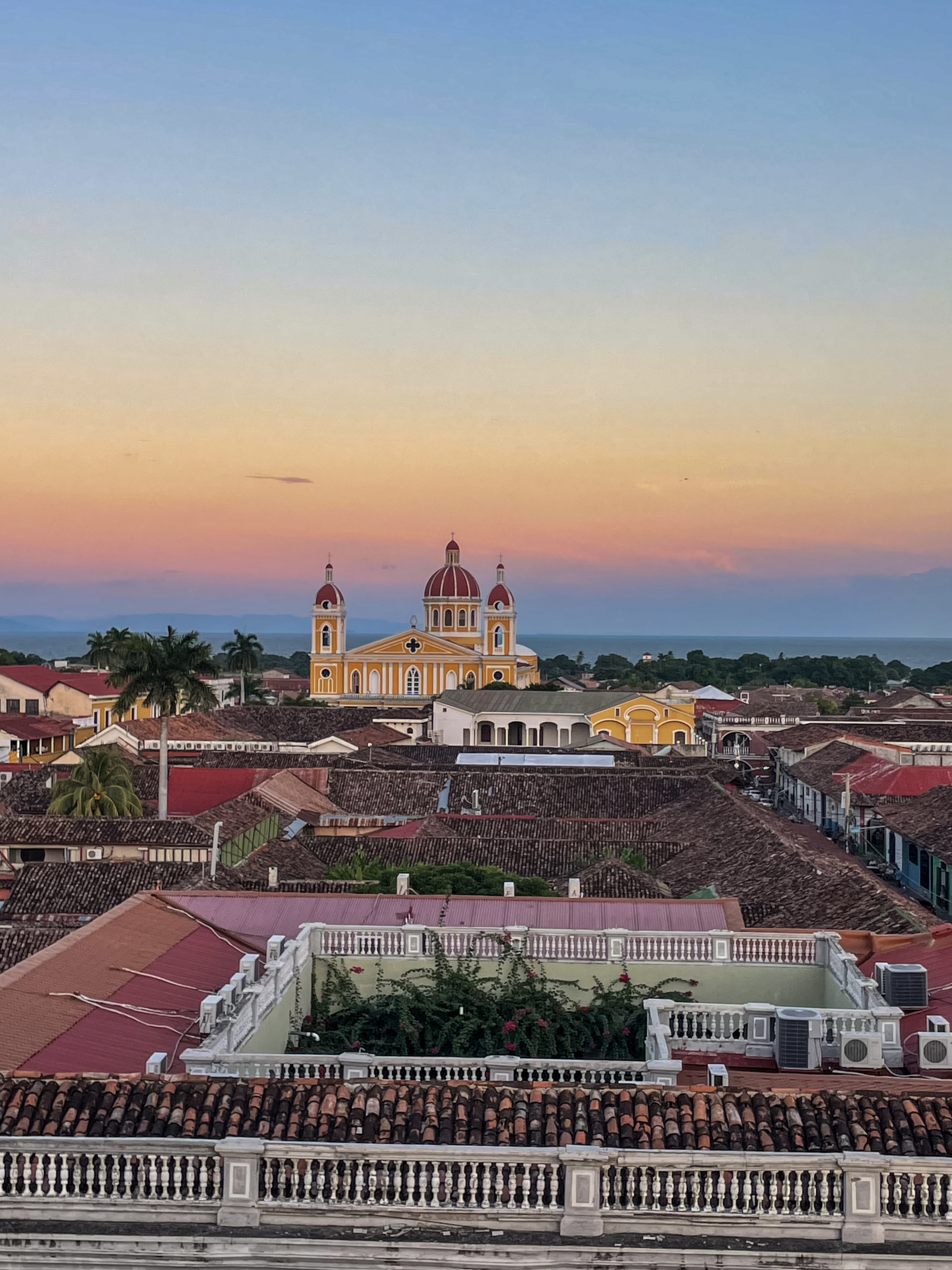
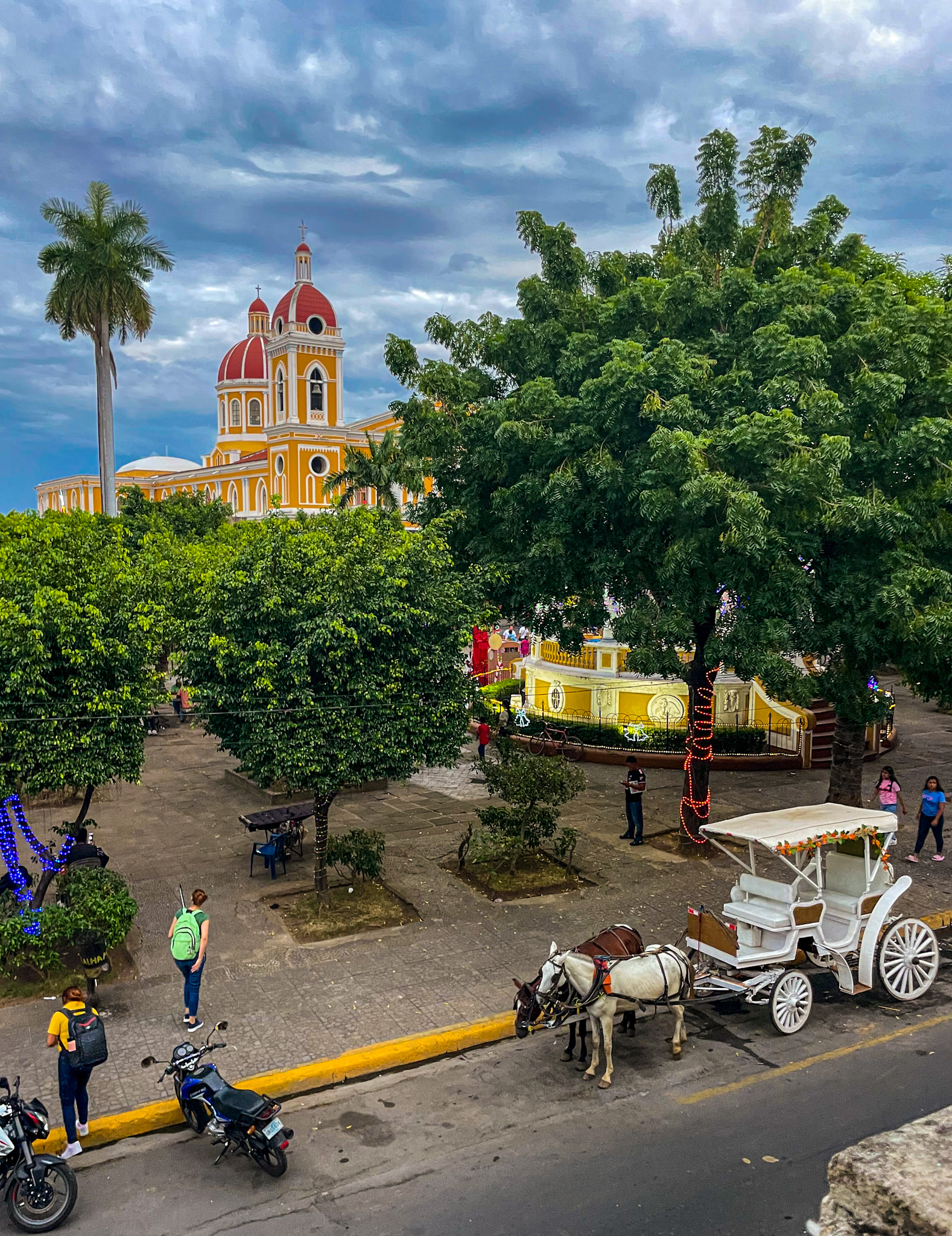
The Catedral de Granada was initially constructed around 1525 and has undergone numerous transformations over the centuries. Its striking yellow and white bell towers and central dome dominate Parque Central, making it an iconic landmark visible from afar. Today, it serves not only as a significant historical site but also as an important place of worship for the local community. For the best photographs of the Cathedral de Granada, I highly recommend visiting the tower of Iglesia La Merced, which is conveniently located nearby. The ideal time to capture stunning images is around sunset when the sky transforms into breathtaking pink hues, providing a picturesque backdrop for the cathedral. This scene undoubtedly ranks among Nicaragua’s most spectacular landscapes. From the top of Iglesia La Merced, you can enjoy not only a stunning view of the cathedral but also breathtaking vistas of the volcanoes, making it one of the best panoramic views in Granada.
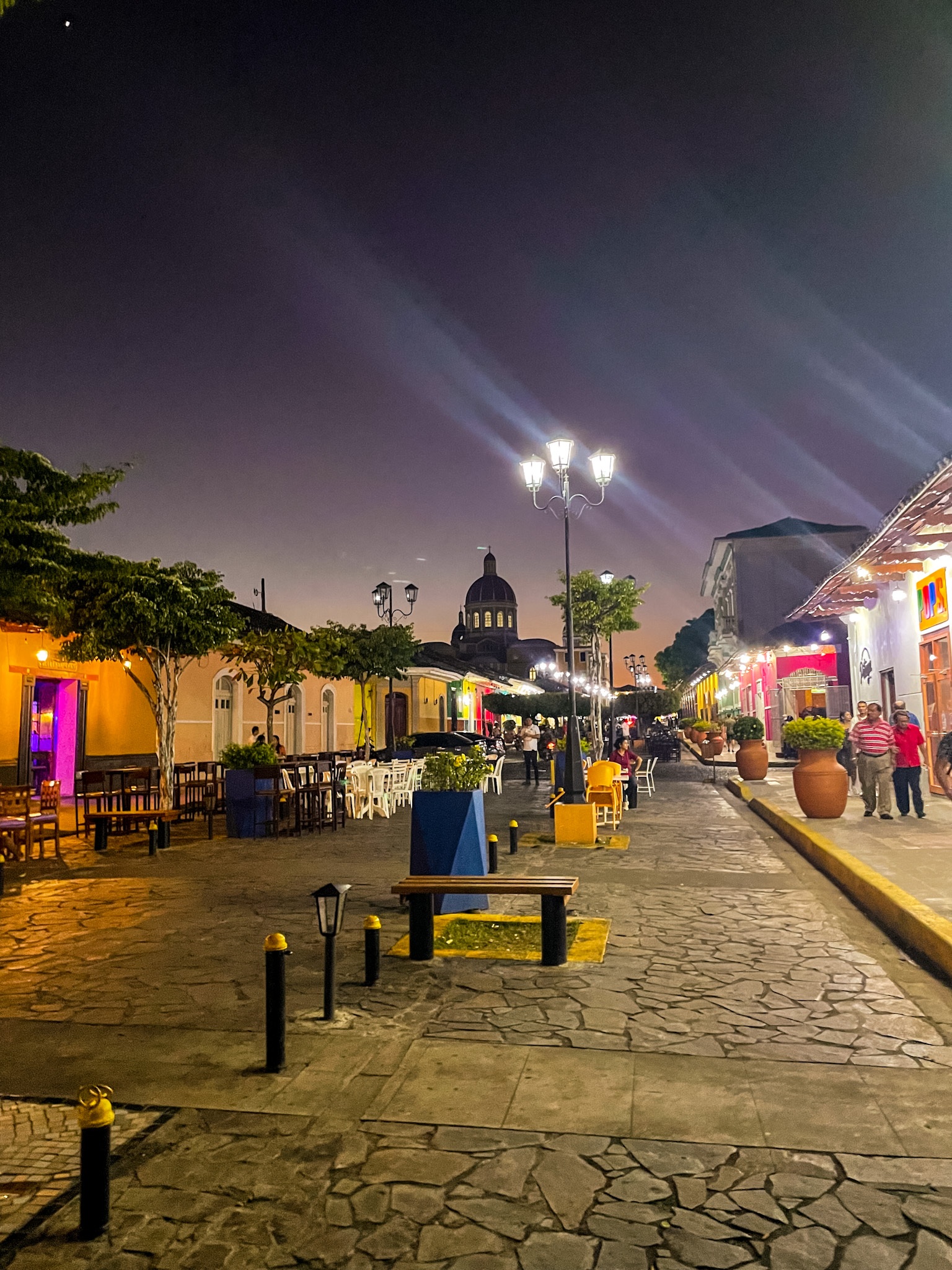
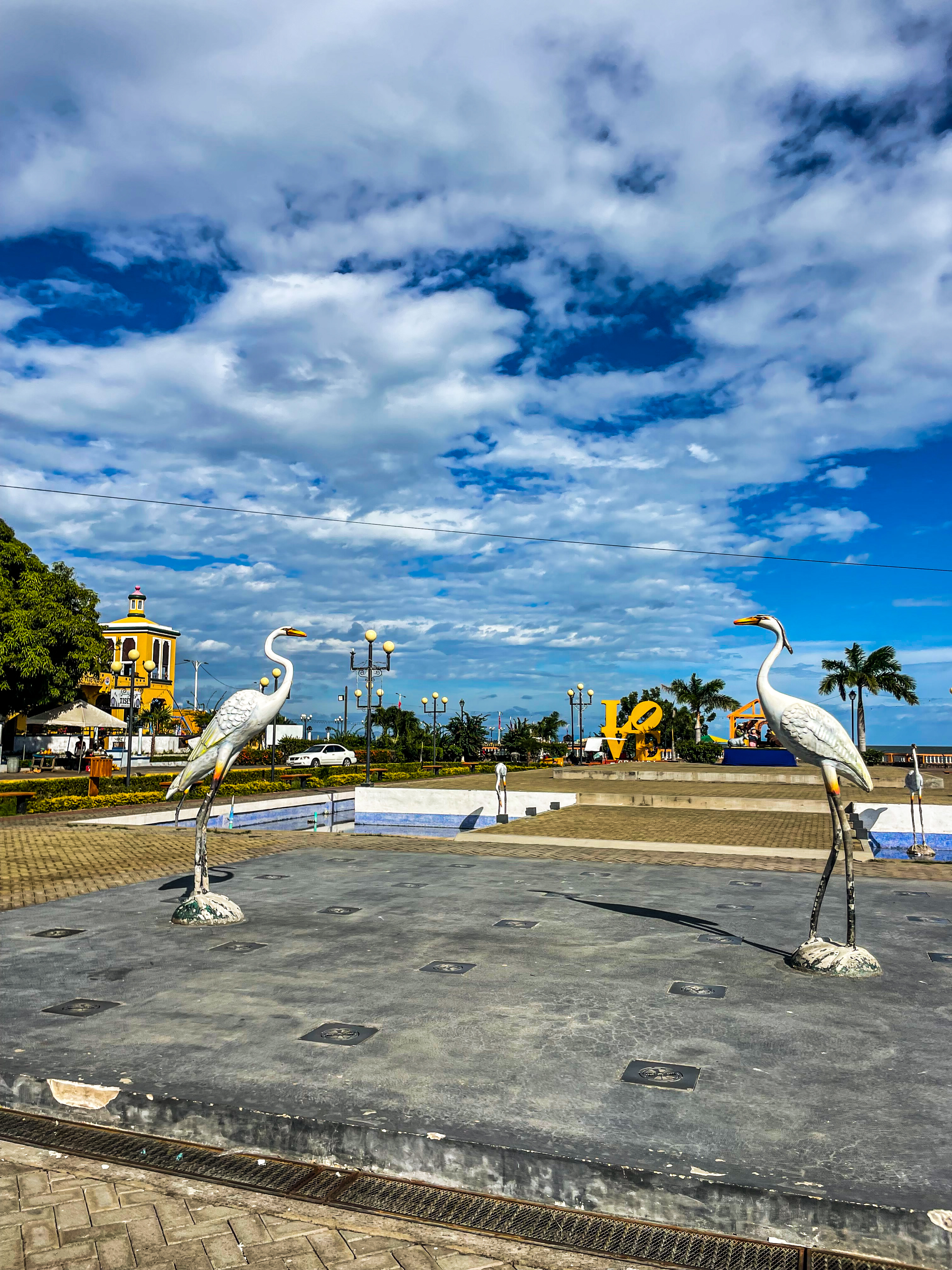
To experience Granada like a scene from a movie, take a horse-drawn carriage ride through the city’s historic streets. This leisurely journey will pass by stunning churches, colonial buildings, and hidden courtyards. Be sure to explore Calle La Calzada, Granada’s main pedestrian street, which is filled with restaurants, bars, and live music. It’s the perfect spot to enjoy dinner while taking in street performances or simply soaking up the city’s vibrant atmosphere. A straight road along Calle Calzada leads you directly to the Malecón, a picturesque lakeside promenade. Here, you can enjoy breathtaking sunsets over Lake Nicaragua. It’s a serene spot for taking leisurely walks and watching boats while feeling the refreshing coolness of the evening breeze.
Near Granada, there are two captivating volcanic attractions: Masaya Volcano and Mombacho Volcano. A visit to Masaya Volcano offers one of the most breathtaking experiences in the region—seeing glowing lava inside its crater. It is one of the few places globally where you can safely observe an active lava lake from up close. Tours typically depart in the evening for optimal viewing conditions. However, due to its high activity level, access to the volcano can be restricted without notice. Even when closed for lava viewing, some tours still allow observation from safe points outside. In contrast, Mombacho Volcano provides a different kind of adventure with cloud forest trails offering stunning viewpoints and exhilarating zip-line tours. Visitors can hike through lush landscapes teeming with wildlife like howler monkeys and orchids. For both volcanoes, it’s advisable to book tours through local hotels or hostels as they often have connections with tour organizers and may offer better deals than online platforms. Additionally, it is crucial not to attempt hiking these volcanoes alone due to safety concerns.
Swimming in the volcanic crater of Laguna de Apoyo is an unforgettable experience. This crystal-clear lake is one of the most serene spots near Granada, offering activities like swimming, kayaking, paddleboarding, or simply relaxing at one of the lakefront eco-lodges. It makes for an easy day trip or a perfect overnight stay for a peaceful retreat. To reach Laguna de Apoyo from Granada, you have two convenient options. You can hire a taxi for approximately $12 to $15 one way. Alternatively, booking an organized shuttle through your hotel is also available. The round-trip shuttle typically costs around $25 per person with included amenities such as beach umbrellas, chairs, and kayaks at Paradiso Hostel. Visitors usually spend their time at the lagoon between 11 AM and 4 PM.
Just a short ride from Granada, Las Isletas is an archipelago of 365 small islands formed by an ancient eruption of Mombacho Volcano. You can explore these islands via boat or kayak tours, which offer opportunities to spot exotic birds and visit Monkey Island, home to a group of rescued monkeys. Tours can be booked through your hotel, online, or on the street. Prices vary depending on location; expect higher costs closer to Parque Central. For instance, tour prices ranged from $5 near the Malecón to $25 at the park itself.
If you’re passionate about chocolate or enjoy making your own treats and learning about the production process, a visit to ChocoMuseo is a must. Here, you can delve into the history of cacao, participate in an engaging chocolate-making workshop, or simply indulge in delicious Nicaraguan chocolate delights. You have the option to visit the museum for free or book a workshop for approximately $25. I personally booked a workshop where I crafted my own sugar-free chocolate bar using pure cacao and cacao butter—a rewarding experience that added valuable knowledge to my travels. Here, you can also try their special house drink—a refreshing cold cacao beverage.
Discover the charm of boutique hotels in Granada, Nicaragua, with options like Tribal Hotel, offering luxurious stays for $150 per night. For a more budget-friendly choice, Socialtel—formerly Celina—provides private suites with stunning views of the Cathedral de Granada for just $80 per night. Alternatively, El Caite Hostel offers affordable accommodations starting at around $30 per night. Additionally, there’s the well-known Oasis Hostel, a favorite among young travelers at only $20 per night.
CORN ISLANDS
Big Corn and Little Corn cover about 13 square kilometers, offering a tranquil and authentic escape with fewer tourists. Big Corn Island, or Great Corn Island, spans roughly 4 square miles and is home to an estimated 6,200 residents. Little Corn Island, about a quarter the size of Big Corn, boasts a tight-knit community of around 800 people and measures only 1.5 square miles. Renowned for their white sandy beaches and coral reefs, both islands are perfect for diving and snorkeling in turquoise waters. Although Spanish is spoken, English is the main language, a legacy of the islands’ history as a British protectorate. There are two main ways to reach the Corn Islands. The quickest and easiest option is to fly directly from Managua with the domestic airline La Costeña. Alternatively, you can take a bus from Managua to Bluefields, followed by a 7-hour ferry to the islands. Note that ferry trips are subject to cancellation due to inclement weather.
If you’re entering Nicaragua from Honduras, a visit to Somoto Canyon is highly recommended. You can also find tours departing from León. The canyon is also the number one geosite in the Río Coco Geopark, which has been designated by UNESCO. At the canyon’s head, the confluence of the Tapacalí and Comalí Rivers forms the Coco River, the longest river in Central America. This area has become a major tourist attraction, offering activities such as walking, boating, swimming, and scaling the canyon walls.
LOCAL CUISINE
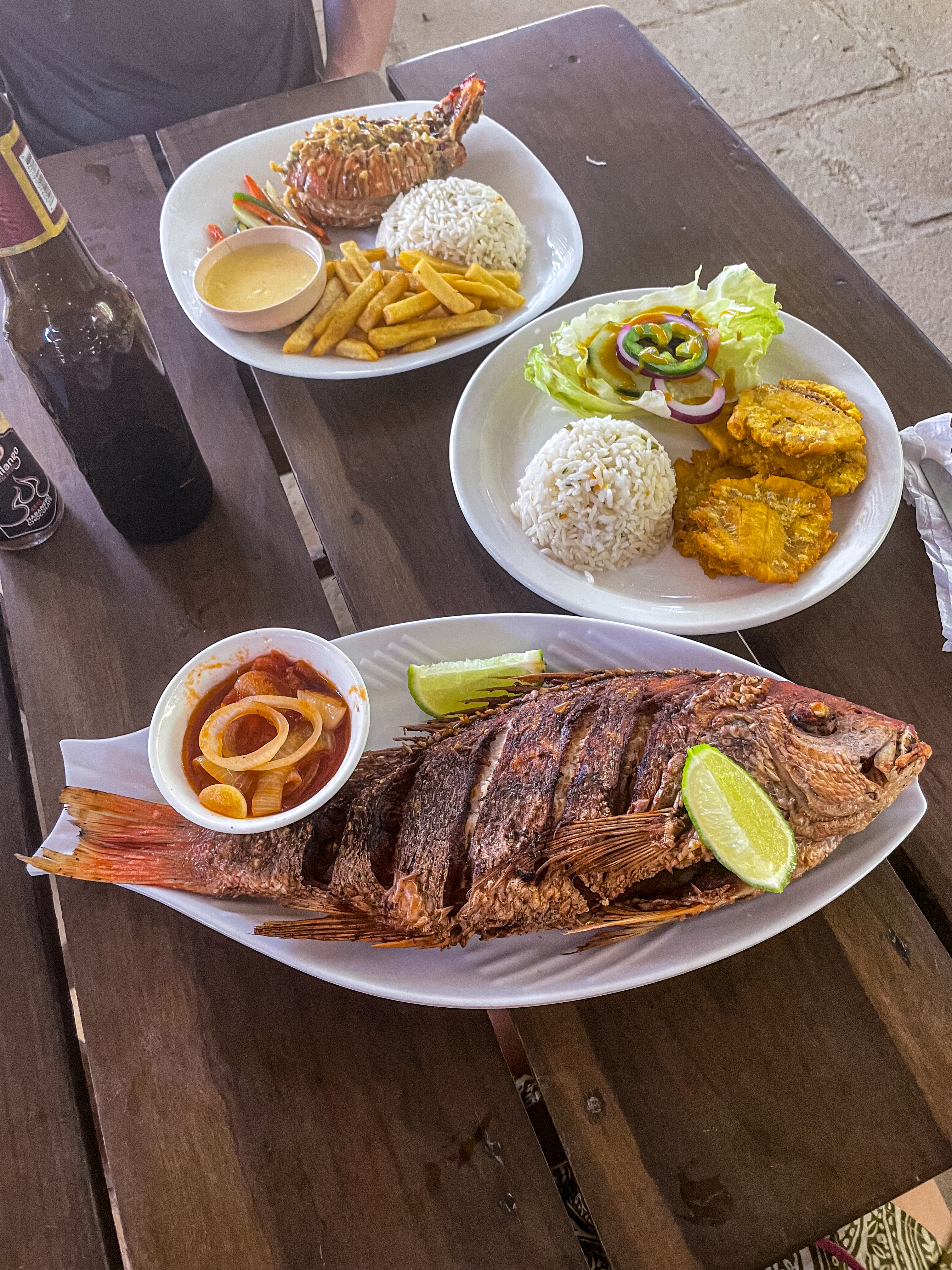
Nicaraguan cuisine is a vibrant fusion of indigenous, Spanish, and Creole influences, deeply rooted in the country’s agricultural traditions and abundant natural resources. It is characterized by hearty, simple dishes made with fresh, local ingredients like corn, beans, rice, plantains, yucca, and tropical fruits. Nicaraguan cuisine truly surprised me and left a positive impression, as I enjoyed delicious meals in various places and cities. The locals put a lot of love and care into their food preparation, making every dining experience a delightful and pleasant one. Here are some highlights of Nicaraguan local cuisine:
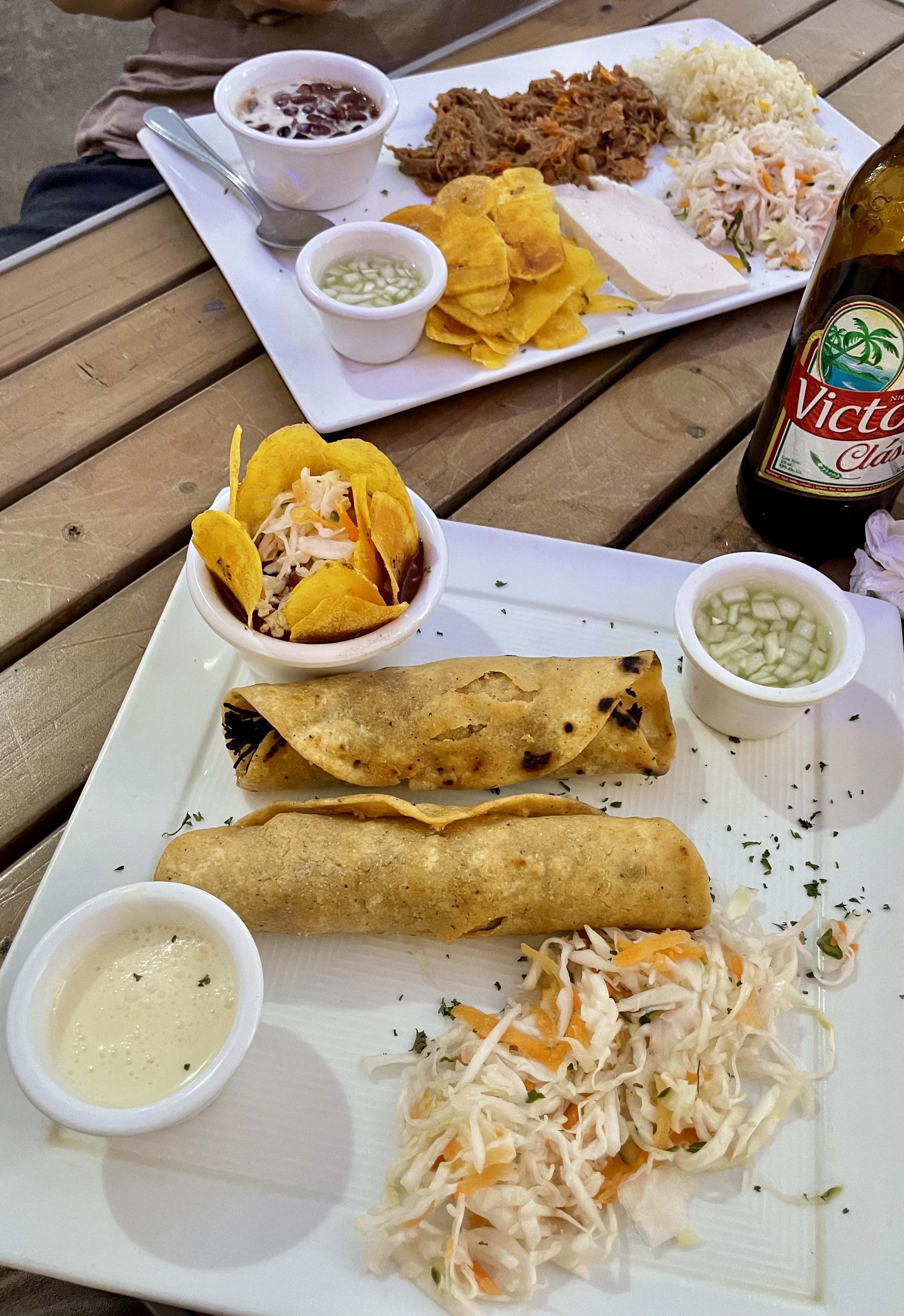
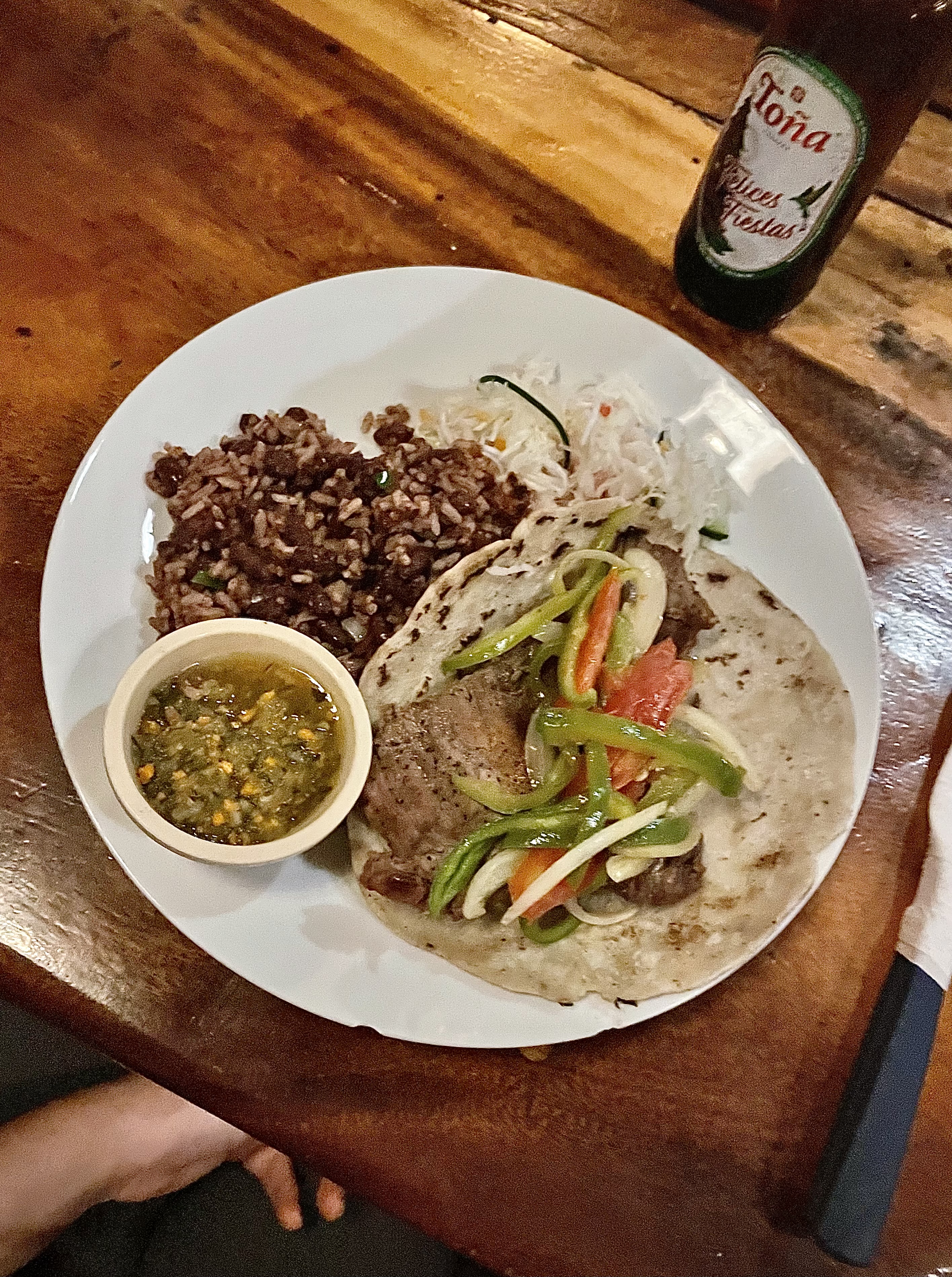
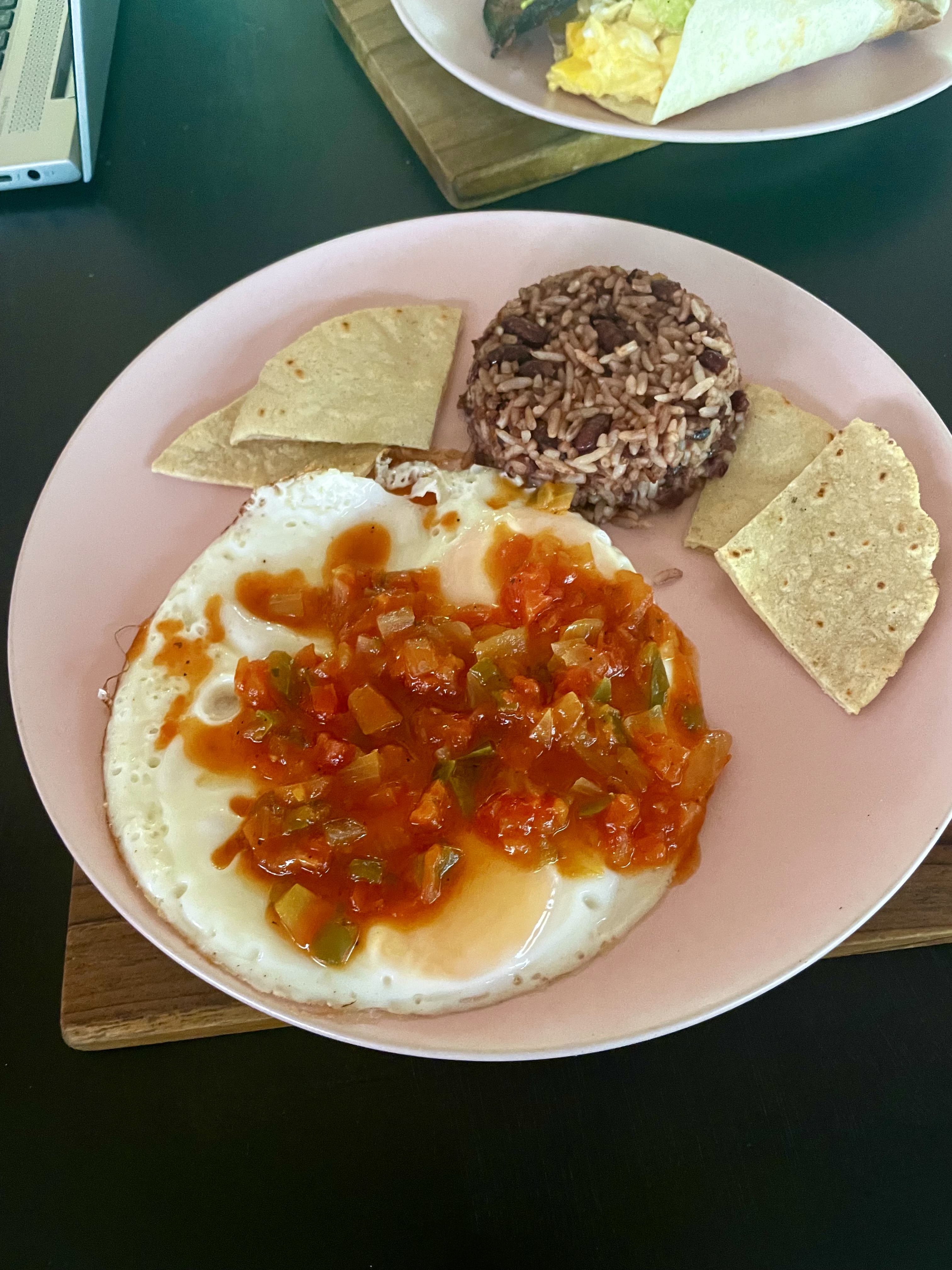

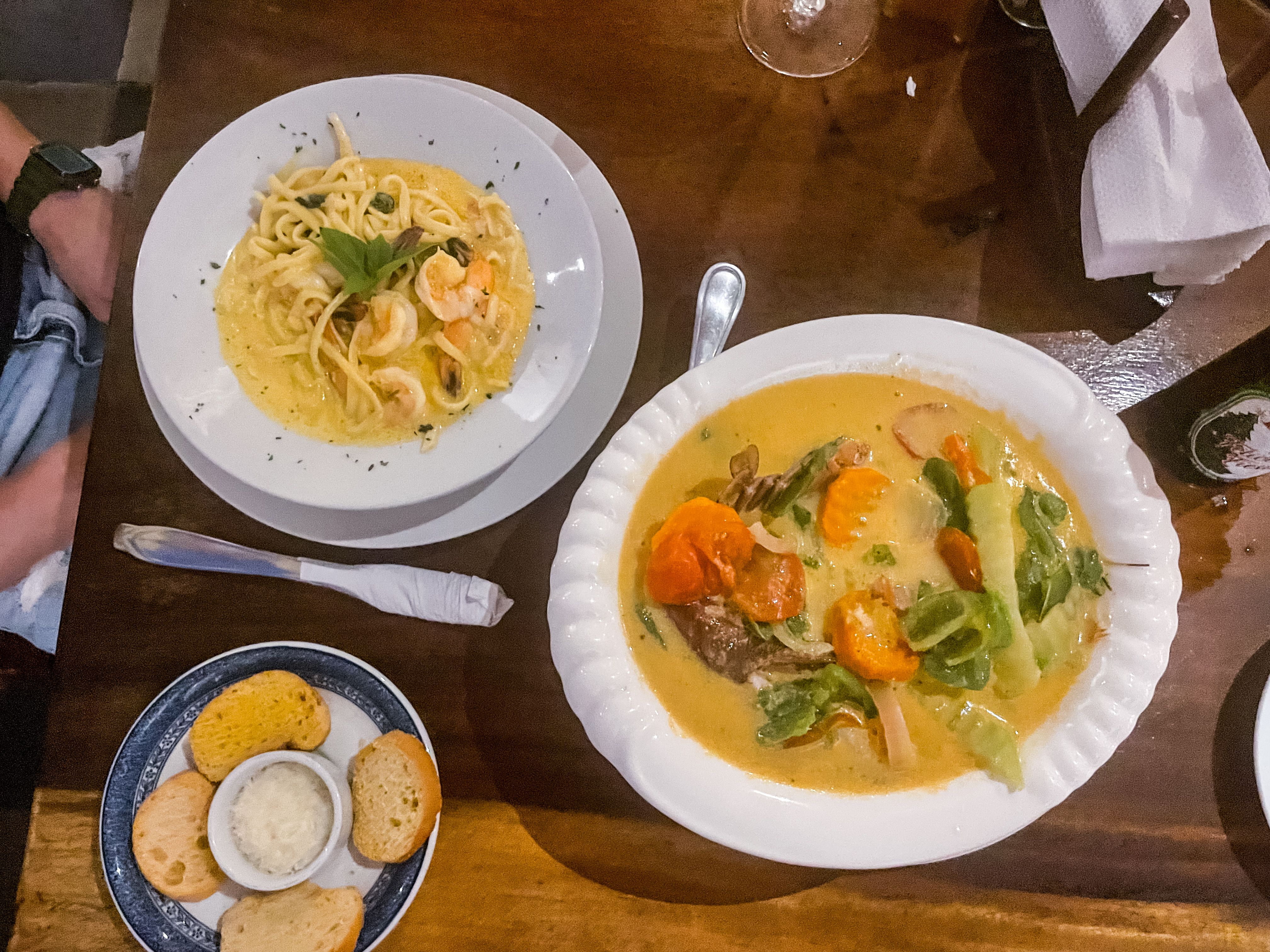
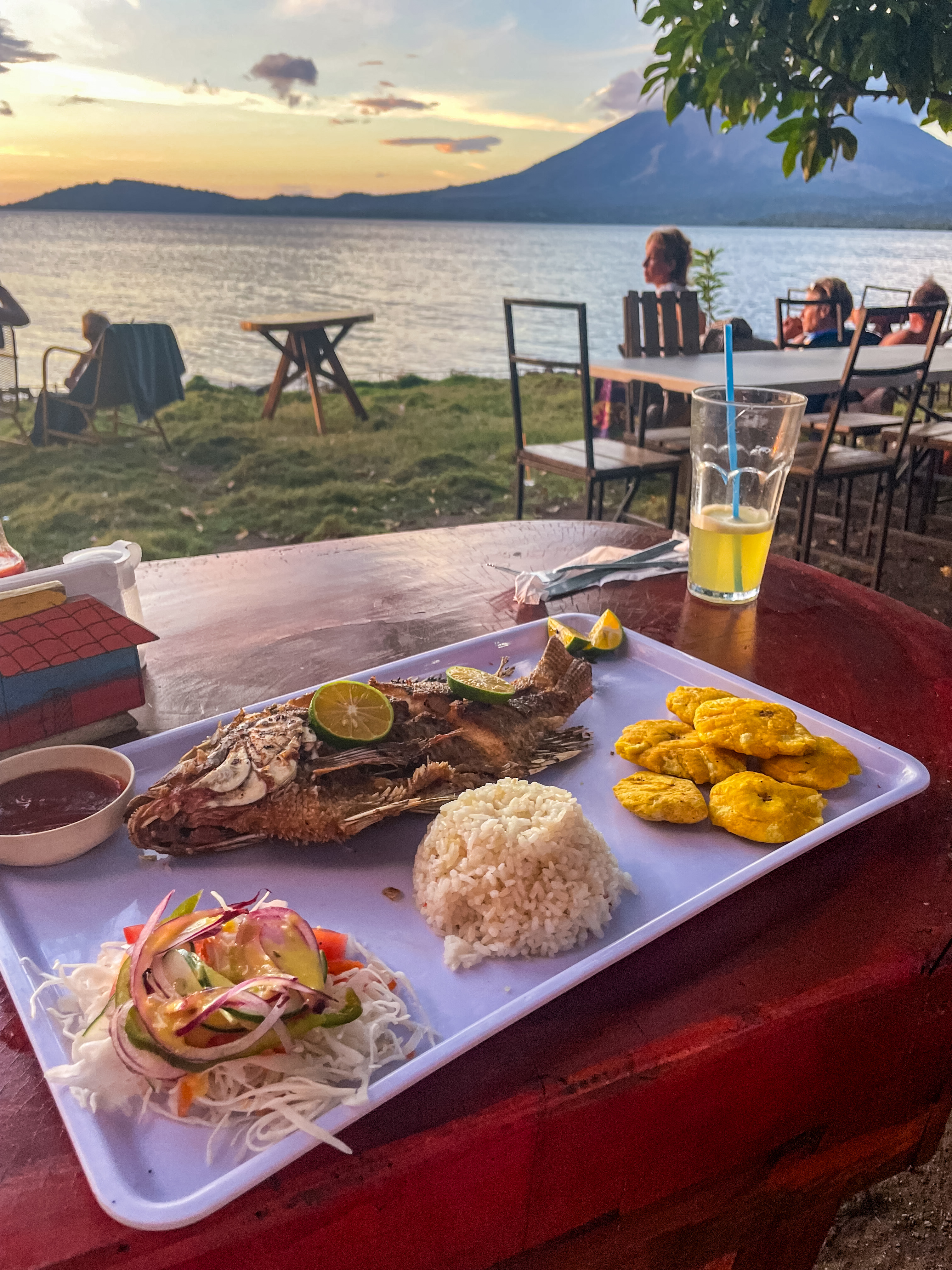
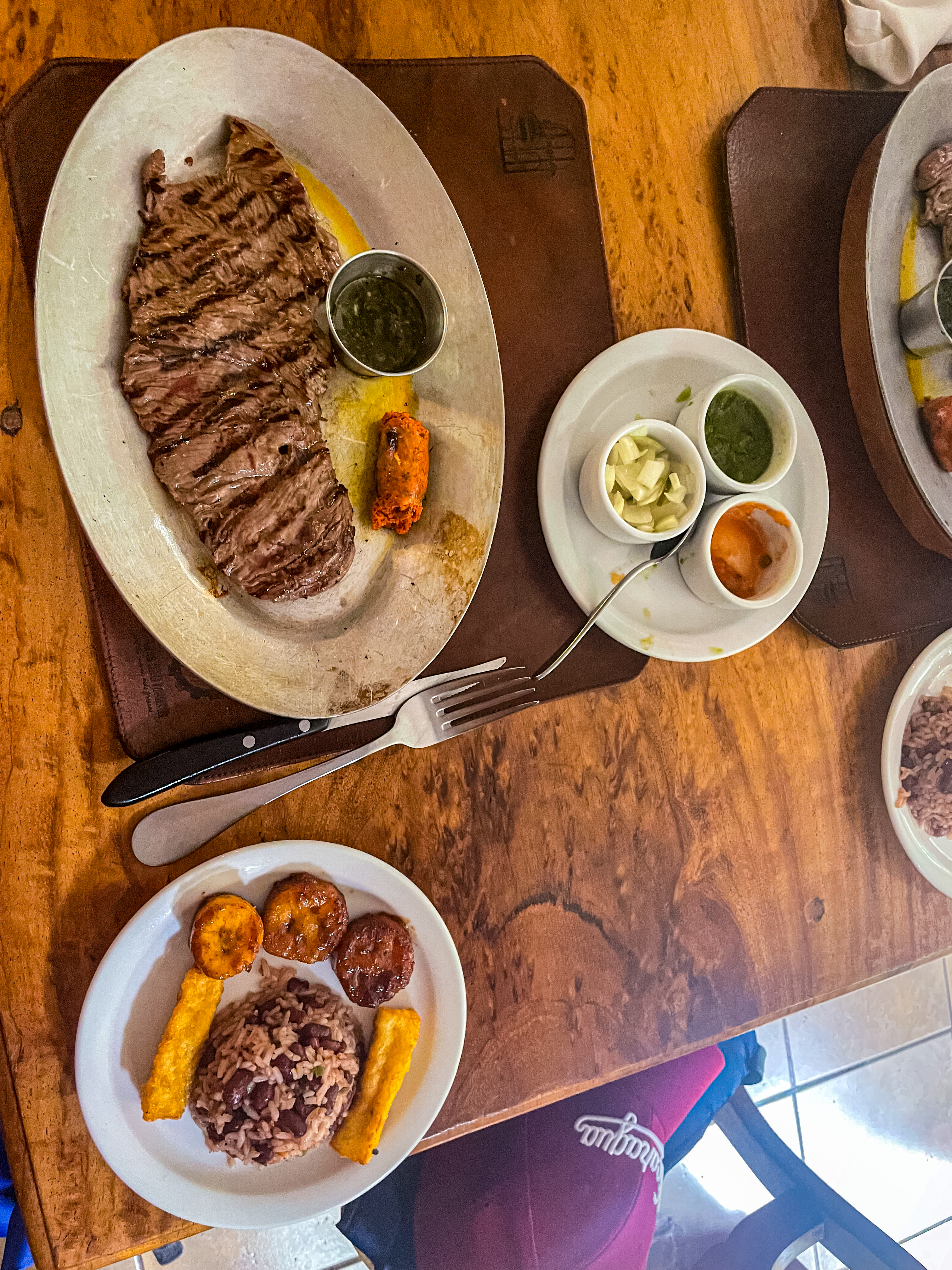
- Gallo pinto: A classic Nicaraguan dish made of rice and red beans fried together with onions, garlic, and spices. Often served for breakfast with eggs, cheese, and tortillas or for dinner with different types of meat.
- Vigorón: A popular street food consisting of boiled yucca topped with crispy pork rinds (chicharrón) and a tangy cabbage slaw (ensalada).
- Indio Viejo: A thick stew made of shredded beef, corn masa, tomatoes, onions, garlic, and herbs, often served with tortillas.
- Quesillo: A simple but delicious dish of soft cheese wrapped in a tortilla, topped with pickled onions and cream (street food)
- Rondón: A Caribbean coastal dish featuring fish or meat cooked in a coconut milk broth with root vegetables, plantains, and spices.
- Pescado frito: Whole fried fish, often served with rice, fried plantains, and a fresh salad.
- Ceviche: Fresh fish or shrimp marinated in lime juice with onions, tomatoes, cilantro, and peppers.
- Fish carpaccio: A delicately prepared dish made from raw, thinly sliced fish, typically served as an appetizer (I noticed that it was featured on nearly every menu in San Juan del Sur).
Drinks:
- Rum brand Flor de Caña: Is famous for its high-quality, aged (4, 5, 7, 12, 18 and 25 years) rums. It’s produced by the Compañía Licorera de Nicaragua, which has been making rum since 1890. The rum is crafted using sugarcane molasses and aged in oak barrels, giving it a smooth, rich flavor profile with notes of vanilla, caramel, and spice.
- Pure ceremonial Cacao: It is minimally processed to preserve its nutrients and natural flavor. Unlike processed chocolate, ceremonial cacao contains no sugar, milk, or artificial ingredients—just 100% pure cacao paste. The drink is rich, earthy, and slightly bitter, emphasizing the cacao’s natural flavor. I had the best cacao I’ve ever tasted here on Ometepe Island. It felt like I had never experienced real cacao before.
- Lemonade: Nicaraguan lemonade is more than just a drink—it reflects the country’s abundant lime harvests and its focus on fresh, simple ingredients.
- Beer: Nicaragua has a few popular beers that are widely enjoyed both locally and internationally. Toña, a light, crisp lageris perhaps the most iconic Nicaraguan beer. Victoria – Another widely known beer that is a darker lager with a more robust flavor compared to Toña. It’s medium-bodied, with a slightly malty and caramelized taste, and is often considered the premium option.
Travel Tip Tab’s List of 10 best restaurants in Nicaragua
- Restaurante El Sesteo (León) offers the best view in León. Enjoy traditional local cuisine while taking in the majestic view of León Cathedral. The waiters are incredibly nice and friendly.
- El bodegon (León) is a placa where you can indulge in local specialties and freshly made lemonades—try one infused with hierbabuena—and enjoy homemade cocktails.
- Mañana Mañana cafe (León) is the best spot for coffee, brunch, and breakfast.
- Tucubaya (León) offers a variety of cuisines, including Caribbean, Latin, Spanish, Cuban, and South American dishes.
- El pital chocolate paradise (Ometepe) is the best place to indulge in chocolate delights. They offer the finest ceremonial cacao in the world, along with other beverages like coffee and snacks. This spot left a very positive impression.
- Playa el Peru Kayak (Ometepe) Skip the crowded Playa Mango, where you might wait up to two hours for an overpriced cold burger with stale fries. Instead, head just 300 meters away to Playa Peru, where you can enjoy freshly caught fish for only $10 and best sunset view on the entire island.
- Lomita Pinita Bar y restaurante (SJDS) is a local gem, not well-known to tourists, serves exceptional seafood. For just $25 per person, we enjoyed an impressive spread of 2 kg of fresh fish, lobster, and fish carpaccio. The quality was outstanding, the waiters were incredibly friendly, and the ambiance was delightfully relaxed.
- Maggy’s steakhouse (SJDS) – If you’re wondering where to find the best steak in Nicaragua, look no further. This restaurant is highly recommended, but be sure to make a reservation as it can get very busy during dinner hours.
- Restaurante el Cápitan (Granada) offers the best seafood restaurant in Granada. I highly recommend trying the Ron Don—a traditional Nicaraguan fish soup filled with shrimp, lobster, fish, shells, and vegetables. You can also indulge in their amazing shrimp pasta, ceviche, or freshly fried fish. The waiters are incredibly friendly and attentive.
- The garden cafe (Granada) is a very beautiful place to enjoy your coffee, breakfast, or brunch in Granada. The amazing patio, surrounded by lush greenery and featuring a soothing water fountain, makes it the perfect spot for a morning coffee without the noise of traffic. You can still enjoy fresh air while taking in the beautiful views. Although it’s more touristy, it’s definitely worth visiting.
TRANSPORTATION
In Nicaragua, there are several transportation options, both for getting around cities and for traveling between regions. Some of these options are riskier, less comfortable, and more time-consuming. I opted for a shuttle—mostly private, though once shared—since I didn’t have the luxury of time to spend double or triple the hours on public transport.
I advise you to always be mindful of your belongings when using public transport. If you’re traveling with large luggage on public buses, they will likely tie it to the roof. It’s important to stay alert and watch who is getting on and off the bus and what kind of luggage they have, as someone might take your bag deliberately.
Nicaraguans generally wouldn’t rob you violently, but if you fall asleep on the bus, you could wake up without your belongings (which, of course, can happen anywhere in the world). Keep in mind that Nicaragua runs on its own timetable, with no room for rushing. Drivers may be late, and schedules might not be accurate, but rest assured—you’ll reach your destination sooner or later. Just maybe not as soon as you’d like in some cases. These are all the available choices:
1. Public Buses (Ruta):
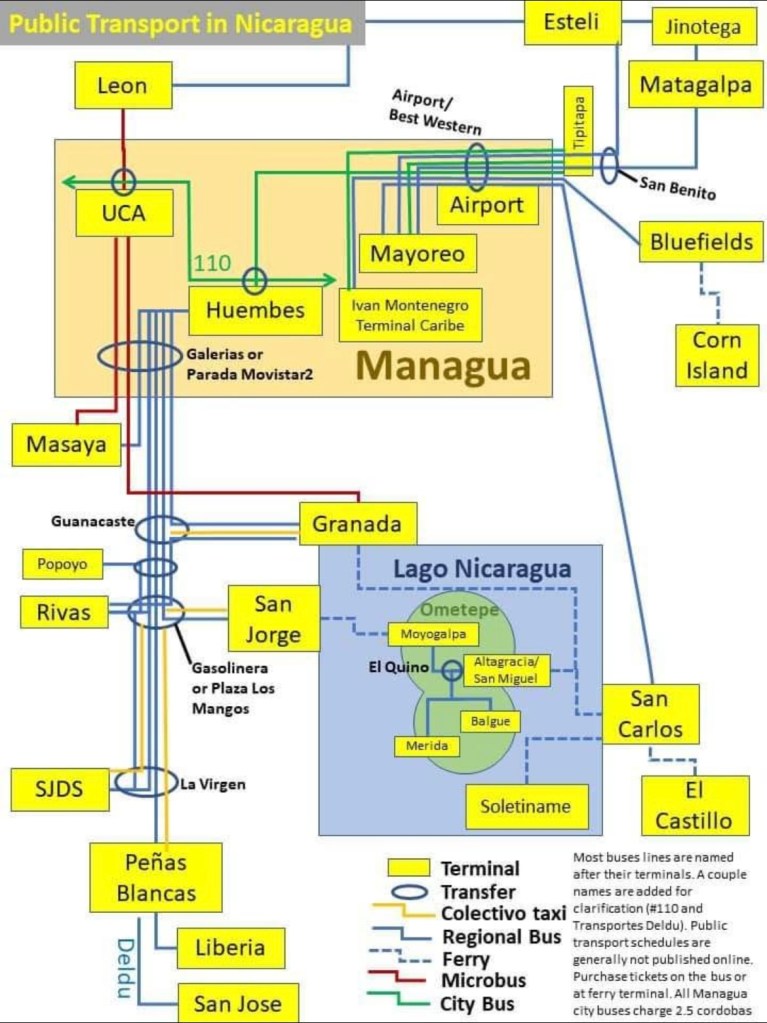
- These are the most affordable way to travel within cities and between different towns. They can be crowded, but they’re a common and cost-effective option. The price varies from C$ 30 /$0.80USD to C$ 100/$3 USD (depending on the distance). Here’s a cheat sheet to help you find buses and routes in Nicaragua:
2. Chicken Buses:
- These are old, colorful U.S. school buses repurposed for public transport. While they’re budget-friendly, they can be cramped, noisy, and not always comfortable. They run along many routes across the country. There is no air conditioning—the only thing you can do is open the window. I’ve never taken a chicken bus to travel between destinations, though I did use one for Volcano Boarding, as it was the only option. Typical price varies from C$ 50/$1.50USD to C$ 150/$4 USD, depending on the distance. Fares are usually paid in cash directly to the driver or fare collector. Keep in mind that chicken buses can be crowded and slow, but they are the cheapest way to travel.

3. Taxis:
- Taxis are widely available in major cities and towns (Managua, Leon, Granada, SJDS…). They are relatively inexpensive but make sure to confirm the price before getting in, or ensure the meter is running. In bigger cities, apps like “INDRIVE” can help you book a ride. Apps like Uber and Bolt do not work. There is also the option to book a taxi directly through your hotel. They will usually offer a fair price for long-distance rides. (I booked my taxi from Managua Airport to León through the hotel.) It was a less chaotic, faster, and safer option after a flight.
4. Shuttles:
- For tourists, shuttle services between popular destinations like Managua, Granada, León, and the Pacific coast are available. Many companies offer shared (up to 12 people) or private shuttle services, which can be a bit pricier but more comfortable and faster. In Nicaragua, things rarely work as planned if you book too early. So don’t worry if you haven’t arranged your shuttle in advance—there’s always a way to reach your destination, often for a lower price than booking ahead. Every hotel and hostel I stayed in offered shuttle and taxi services to other cities. It may seem like there’s not enough information online about timetables and shuttles, but once you’re in Nicaragua, navigating transportation is easy—just ask your hotel or hostel. For an example of prices and how the system works, you can check the website of a hostel in León that organizes shared shuttles across Nicaragua. If you book a shuttle through your hotel or hostel, it will most likely be with this company.
5. Rental Cars/Motorcycles:
- If you’re comfortable driving, renting a car can be a convenient option. It gives you flexibility, especially if you plan to visit remote areas. Road conditions can vary, so be sure to research your route in advance. However, I wouldn’t recommend renting a car in Nicaragua. For activities like hiking volcanoes, you’ll need to go with tour agencies anyway, as they have better vehicles (4x4s). Rental cars are usually not suitable for reaching most volcanoes. Additionally, the roads can be difficult to navigate—narrow, rocky, and challenging to drive on. Personally, I’d gladly skip driving in Nicaragua and leave it to the professionals—trust me on this one. The only place where renting a car, motorbike, or ATV is worth, it is on Ometepe. There’s no easy way to get around otherwise. While there are buses, you’ll spend half the day waiting and traveling by public transport. The island is larger than it seems, so renting a scooter, motorbike, or ATV is the best option for flexibility. The roads are very safe, but keep in mind that they can be a bit damaged, and there are no streetlights at night so it’s best to drive only during the day.
6. Boats:
- Since Nicaragua has many lakes and coastal areas, boat transport is common, particularly around Lake Cocibolca (Lake Nicaragua) and Lake Xolotlan, where ferries and private boats are used to travel between islands like Ometepe. Ferries from Puerto San Jorge in Rivas to Ometepe Island operate regularly throughout the day, with departures approximately every 30 minutes to an hour between 5:30 AM and 5:30 PM. The crossing typically takes about an hour, depending on the wind and wave height. Fares are generally around C$50/$1.30 USD per passenger. There is also a $1 fee when entering the port of San Jorge. From my experience, the boats felt safe. They have toilets, but there is nothing available for purchase (food or water).
ESSENTIAL INFORMATION
- SAFETY: I can confidently say that I felt safe 10/10 at all times during my trip. The locals are welcoming and don’t mind tourists; they are always ready to help when needed. I had a positive impression of safety in the major cities (though it’s wise to stay extra cautious in Managua). As with any destination, it’s important to be aware of petty crimes, so be sure to keep your belongings secure. In most cases, you can take photos with your phone or camera without any issues. It’s best to avoid walking alone at night in unfamiliar areas and to use a taxi if you need to travel after dark. However, in tourist busy areas, you can generally walk at night without any problems. Since Nicaragua is in a region with volcanic activity and is prone to occasional earthquakes, it’s important to stay informed about potential risks. Lastly, I recommend drinking only bottled water to avoid any health issues.
- CURRENCY: The official currency of Nicaragua is the Nicaraguan Córdoba (NIO). However, the U.S. Dollar (USD) is also widely accepted, especially in tourist areas, major cities, and businesses that cater to foreigners. You may find prices listed in both currencies, and many establishments will give you the option to pay in either Córdoba or U.S. dollars. I’ve never officially exchanged Córdobas, as I always received them as change when paying with U.S. Dollars. ATMs are widely available, but keep in mind that there are no ATMs on Ometepe Island. It’s also a good idea to carry small U.S. Dollar bills, as it can be difficult to get change for larger notes. The best payment strategy is to have a mix of Córdobas and U.S. Dollars.
- LANGUAGE: The official language of Nicaragua is Spanish and is generally very understandable for Spanish speakers from other regions. However, in tourist areas and larger cities, many people, especially in the service industry, speak at least basic English. I noticed that speaking Spanish sometimes helped me get better prices or deals, as I was able to communicate my needs more clearly. While speaking Spanish in Nicaragua is a big advantage, it’s not a necessity.
- ELECTRICITY PLUG IN: In Nicaragua, the standard voltage is 120 V, and the frequency is 60 Hz. The country uses Type A and Type B electrical outlets.
- AIRPORT: Managua doesn’t have many direct flight connections, but there are some options available. I flew directly from Panama, and there are also flights from Guatemala, Mexico, El Salvador, the USA, Costa Rica, and Cuba. Many backpackers choose to travel to Nicaragua from Costa Rica, especially from Liberia, as it tends to be a more affordable option. Additionally, there are options to reach Nicaragua by boat from El Salvador or from Honduras.
- TIME TO VISIT: The best time to visit is from November to April (dry season), when rainfall is minimal, and temperatures are high but comfortable. From May to October, which is the rainy season, prices are slightly lower, there are fewer tourists, and the landscape is lush and green.
- TIME TO SPEND: I stayed for 10 days, and in my opinion, it wasn’t enough. To have a more comfortable experience, I would recommend at least 14 days to see it all. You’ll need at least 3 full days in Granada. In León, there are so many volcanoes that you could easily spend a week hiking. In San Juan del Sur, there are numerous beaches to explore, so you could easily spend a week there as well. In Isla Ometepe, you could also stay around 4 days, as the volcano hikes take a full day. If you want to visit the Corn Islands, add another 4 days to your itinerary. In Nicaragua, everything tends to go at a slower pace. Even with private shuttles, travel takes time. Also, keep in mind that by 5 p.m., it gets dark during the dry season, so plan accordingly.
- MOBILE DATA: You have two options: either purchase a physical SIM card or use an eSIM, which is more convenient and ensures you’re connected as soon as you arrive at the airport in Managua. I highly recommend the AIRALO app for hassle-free internet browsing (register here and use code KATJA6523 to get a 15% OFF discount). It worked perfectly for me all over Nicaragua. You should be aware that while traveling, especially on the road from León to Managua, there may be areas with no signal, neither with an e-SIM nor a physical SIM card. The coverage in cities is generally good, but if you’re renting a car, make sure to download your maps in advance.
- TIPPING: Typically, a tip of 10% is common, especially if a service charge is not already included in the bill. Some restaurants automatically add a service charge, so be sure to check your bill before tipping.
- ENTRY REQUIREMENTS: A valid passport (with at least six months beyond your planned departure) is required. U.S. citizens, Canadians, EU nationals, and most Latin American citizens do not need a visa for stays of up to 90 days. You will need to pay a $10 USD fee upon entry at immigration.
Thank you for reading my Nicaraguan travel post! I hope you found it packed with valuable insights to enhance your journey through this hidden gem of Central America. Until next time, stay adventurous and see you in my upcoming travel tips!
-Travel Tip Tab
 Travel Tip Tab