
If you’re a fan of the Money Heist series, chances are that you’ve seen and heard about Pelicano Island, featured in Season 3 of the show. When I traveled to Panama, I couldn’t resist visiting this iconic location nestled within the San Blas archipelago. In this post, I’ll share my honest review of Pelicano Island: what the experience of 3 nights, 4 days was like, and how you can plan your own adventure to this unique destination.
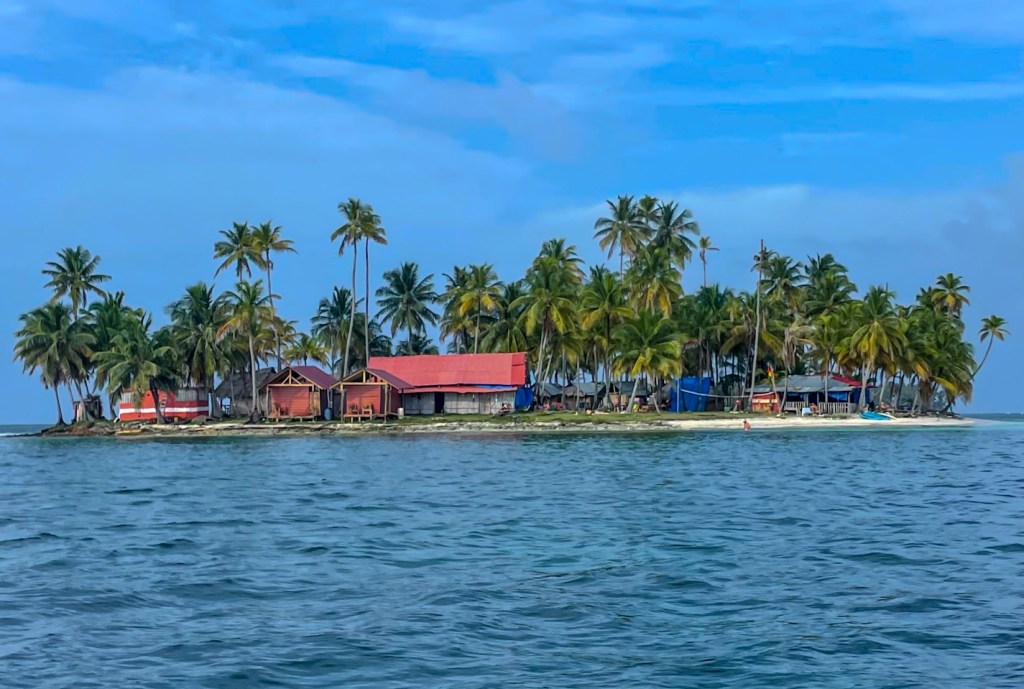
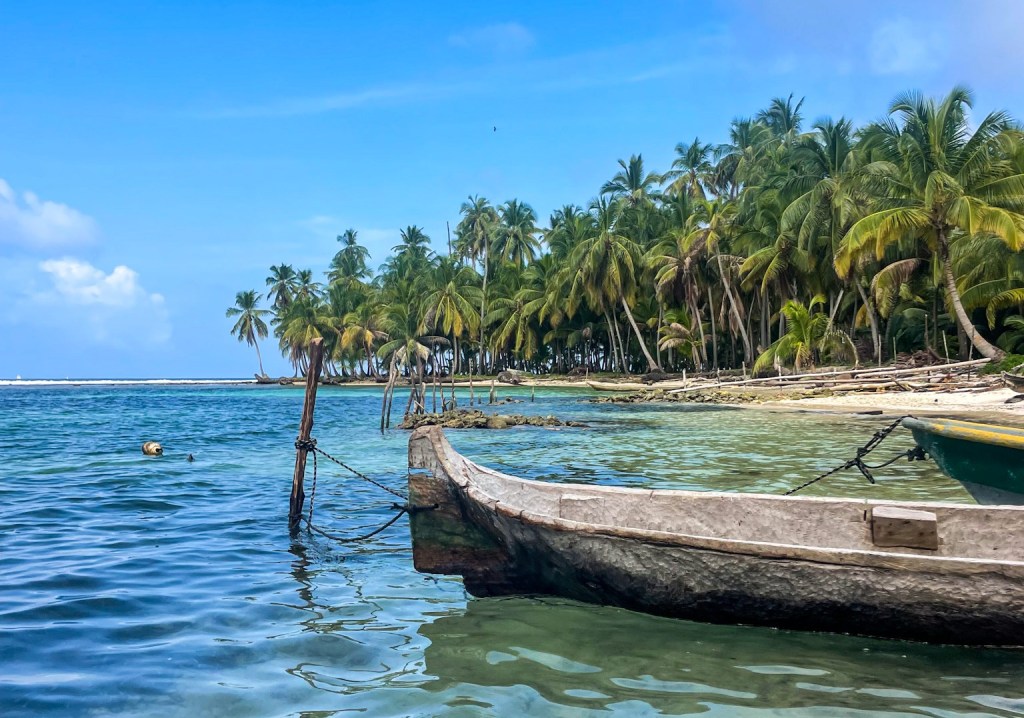
Many consider the San Blas Islands to be the top vacation destination in Panama and possibly all of Central America. The San Blas Islands, also known as the Guna Yala Archipelago, are a stunning group of approximately 365 islands and cays located off the Caribbean coast of Panama. Of these, only 49 are inhabited, primarily by the indigenous Guna/Kuna people, who have maintained their traditional culture and self-governing authority over the region. The Guna people are the stewards of this region, preserving their customs, language, and way of life. They have fought to protect their lands from mass tourism, ensuring the islands remain pristine and culturally rich. Tourism is regulated by the Guna, and all services—transportation, accommodation, and tours—are operated by the local community. There are only a few options for visiting San Blas, and all of them involve Guna Yala agencies. You can choose:
- a day tour from Panama City,
- a single night stay,
- spend two or three nights on the island,
- a multi-day sailing tour with sleeping on the boat and visiting different islands by day, or
- sailing tour starting in Colombia and finishing in Panama City or the other way around.
WHAT TO BRING TO PELICANO ISLAND?
Before visiting the island, it’s best to prepare your backpack with the essentials and avoid bringing extra large luggage. There’s limited space in the car and on the boat, so packing light is key to a hassle-free journey. Bring only:
- Drinking water (1.5 liters per day) in bottles and snacks, as there is no food available for purchase. You will receive one drink with each of your three daily meals.
- Powerbank as, electricity may not always be available to charge your phone.
- Sunscreen
- Passport, without one, you won’t be able to visit San Blas Islands ( copy not allowed)
- Hat
- Swimwear
- Light clothing, 3 tops, 2 bottoms
- Mosquito repellent
- Essential toiletries
- Towel 2x, one for showering and one for swimming.
- Toilet paper, as supplies on the island may not always be sufficient for everyone
- Lock, to secure your room or bag.
- Flashlight, since there is no lighting after sunset
- Rain cape, for the boat ride
- Dry bag, for electronics
WHERE WILL YOU SLEEP ON THE PELICANO ISLAND?
I don’t want to spoil it for you, but don’t expect any luxury. The amenities and rooms fall far below what you might expect for the price. That said, you’re on a stunning island, and there’s not much to complain about when you’re surrounded by such natural beauty.
To get a sense of the accommodation options, check here—they offer three different choices:
- a shared room with a shared bathroom,
- a private room with a shared bathroom, or
- a private room with a private bathroom.
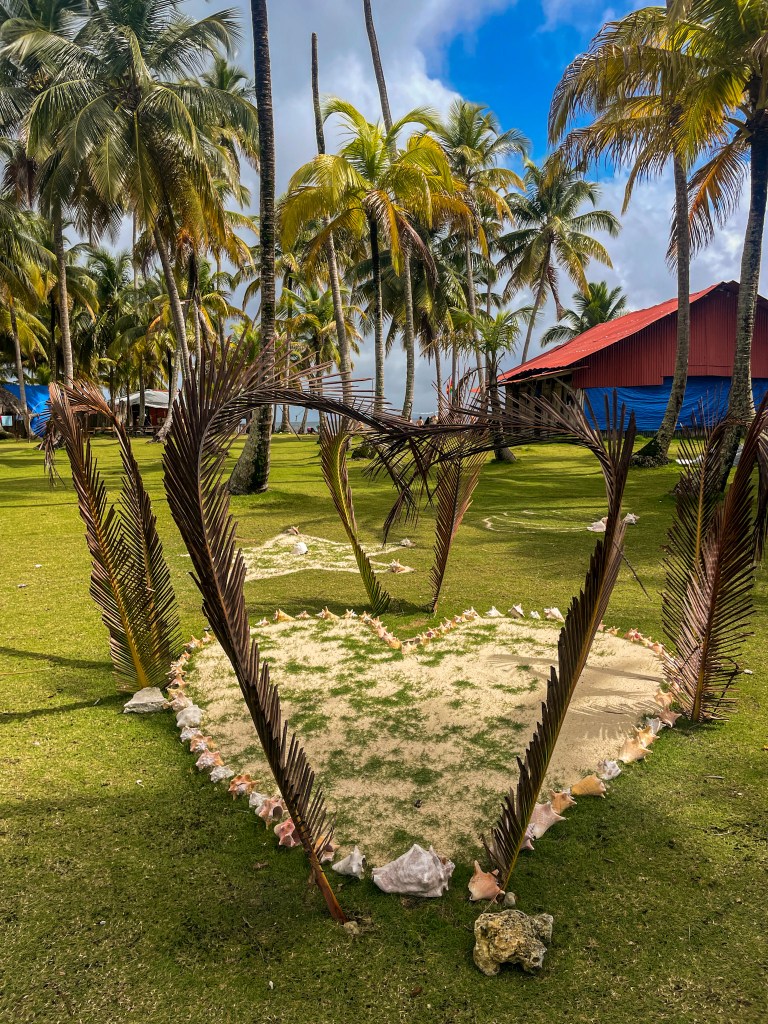
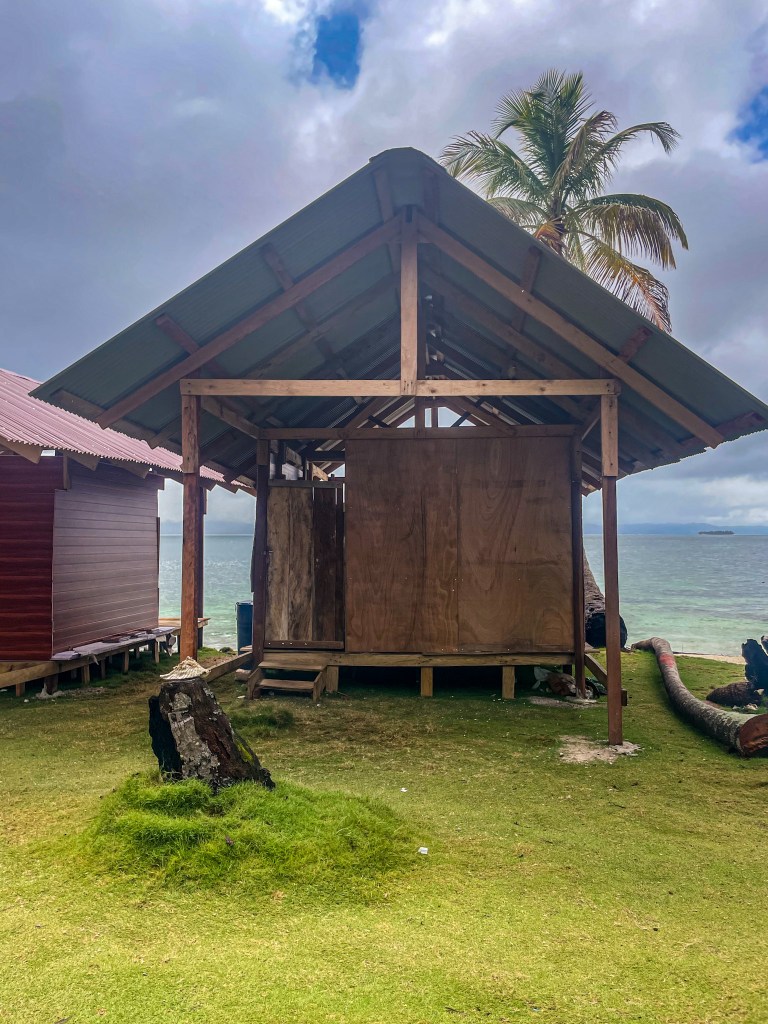

In the first picture, at the back, you can see a large cottage that contains a shared room with bunk beds. In the second picture, there is a wooden hut that provides only a bed, without any shelf for storing luggage or a chair for sitting. This room also includes a terrace at the back. It’s worth mentioning that the door connecting the room to the terrace was broken, so we had to exit through the front door and walk around to access the terrace. But hey, who has time to complain when you’re on vacation? The third room includes a private bathroom and a very small terrace, which typically does not offer a view of the sea.
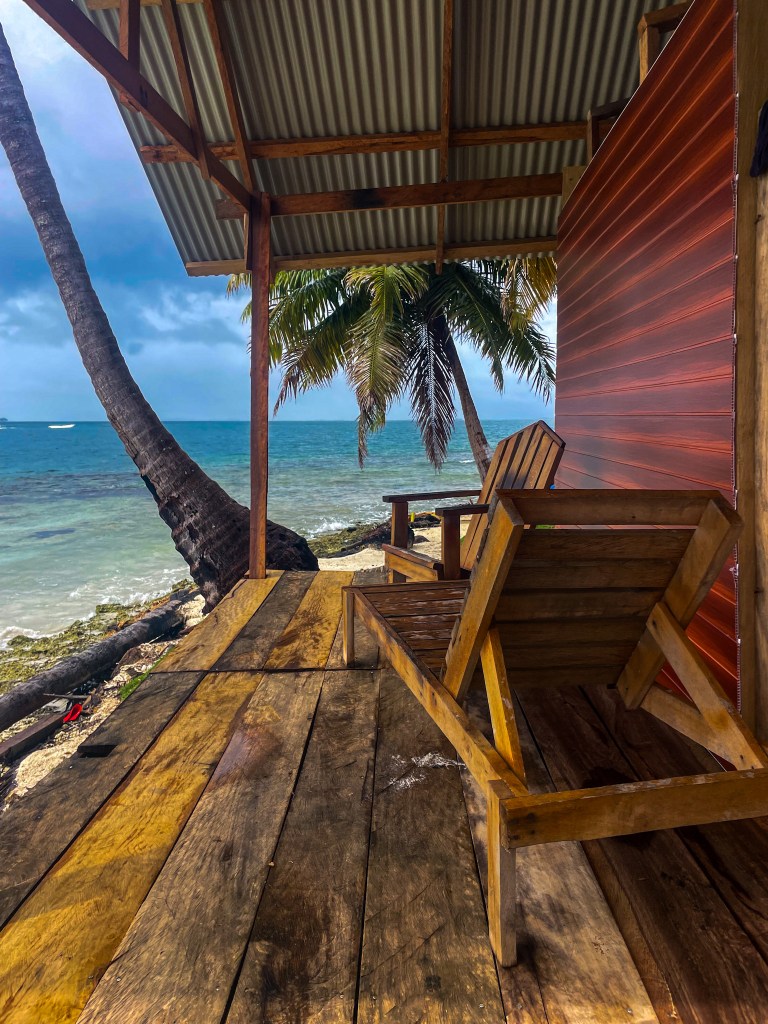
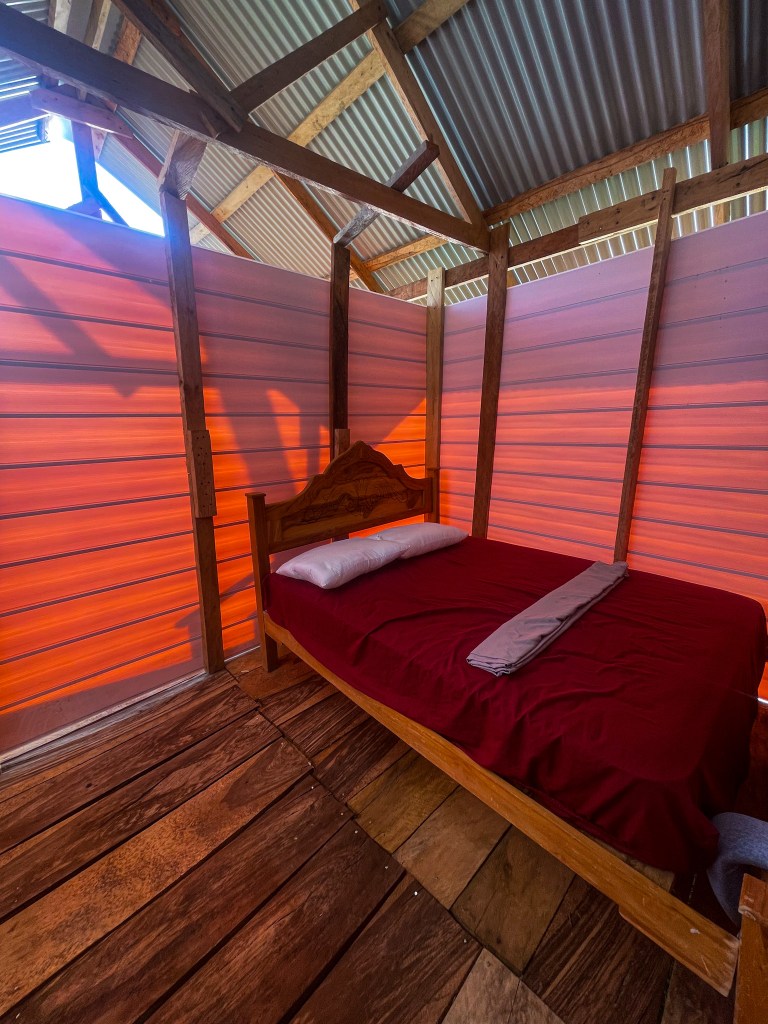
There were only two private rooms of this type available, and fortunately, our friends stayed in the hut next to ours. The terraces of these huts are situated close to each other, creating a cozy and connected atmosphere. However, one peculiar feature of the room is its open upper space, which allows birds to enter freely. On one occasion, a bird left an unwelcome surprise on the bed. Let’s hope fortune favors us next time!
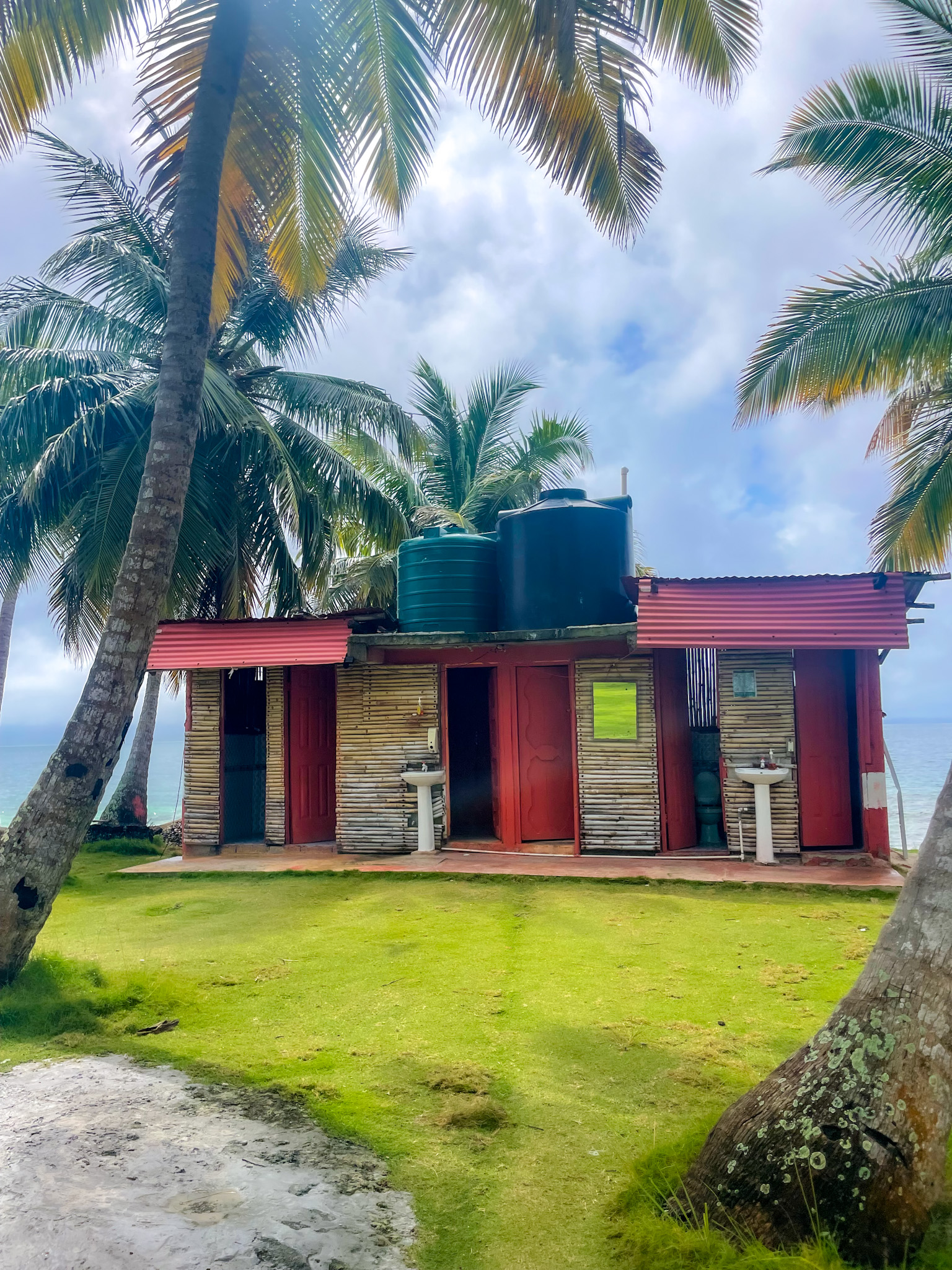
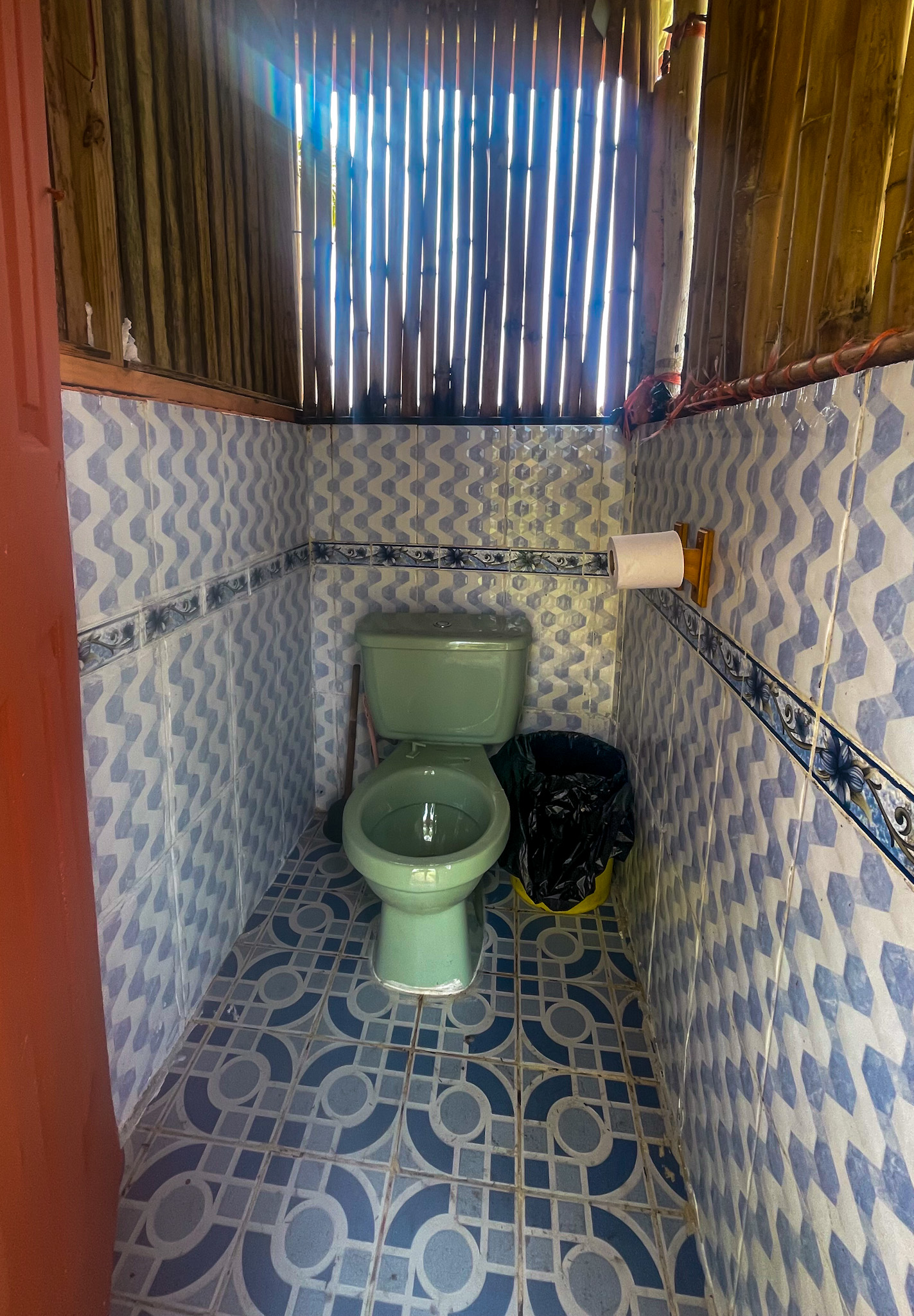
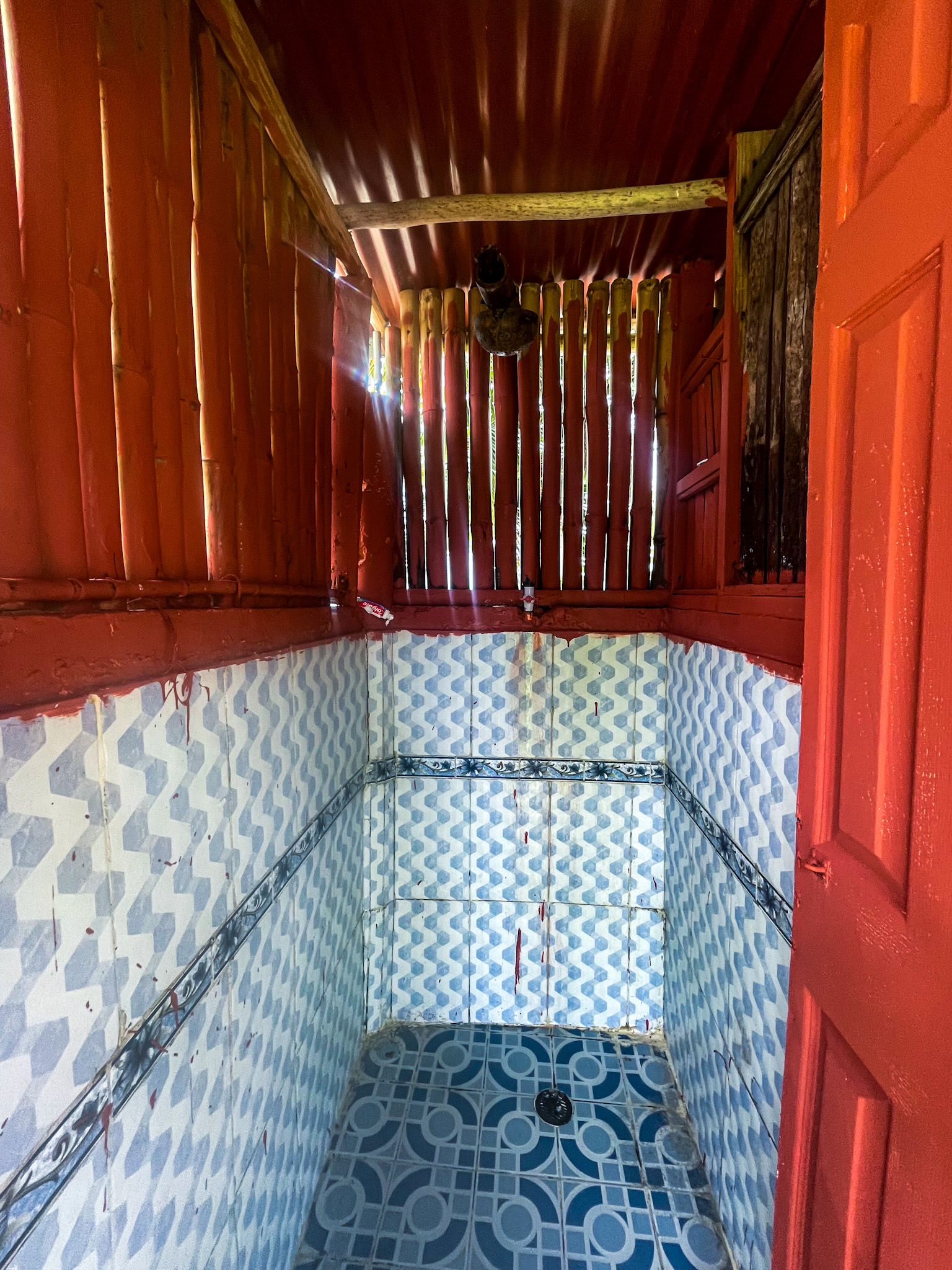
As for the bathrooms, there were three toilets, three showers, and two sinks—enough for the island’s capacity. However, when they took the generator to another island, we were left without water for an entire day. It was far from ideal: no showers, no brushing teeth, and no internet. Definitely a challenging experience! I would like to remind you that there is no hot water available for showering. While this is not much of an issue in the warm climate, I did notice that the water had a slightly salty quality. I suspect this is because the water is collected in large containers on the roofs of the bathrooms during rainfall or possibly supplemented with seawater.
THE EXPERIENCE
The journey begins at 5:30 AM when the Guna Yala agency picks you up from your hotel in Panama City with a 4×4 jeep. The ride to the port takes about four hours and can be quite bumpy, so I wouldn’t recommend eating much beforehand. The driving can feel a bit rough at times, but there’s no need to worry—it’s manageable, though you might experience some mild car sickness.
Along the way, there’s a brief stop halfway through the drive, lasting about 20 minutes, where you can stretch your legs or grab a quick snack. Before entering the port where your boat departs, you’ll need to pay a $20 entrance fee for San Blas and an additional $2 port fee. Once at the port, your driver will connect you with your boat guide, who will take you to the island.
Before stepping onto the boat, I highly recommend wearing a rain cape, as you’re likely to get completely wet during the ride. It’s also advisable to bring a dry bag for your electronics, as they can get soaked quickly. Your boat guides will cover all the passengers’ luggage with a plastic sheet for protection, but it’s always better to be prepared.
A quick reminder: pack only the essentials, and limit yourself to what you’ll need for three days. Honestly, you won’t need much more than swimwear, a toothbrush, and a towel. Keep it light and practical—you’re heading to a tropical paradise, after all!
One of the highlights came right at the start of the trip: dolphins swimming alongside us for 15 minutes during the boat ride. It was a breathtaking moment on a sunny day and the perfect way to kick off the adventure.
Once you arrive on the island, you’ll be assigned your room. I opted for a private room, but there was no door lock provided. If you want to keep your belongings secure, I recommend bringing your own lock. Generally, the island is safe, and there are no reports of robberies. However, with other guests staying on the island and daily visitors coming and going, I wasn’t entirely comfortable leaving my laptop in an open, unlocked room. Better safe than sorry!
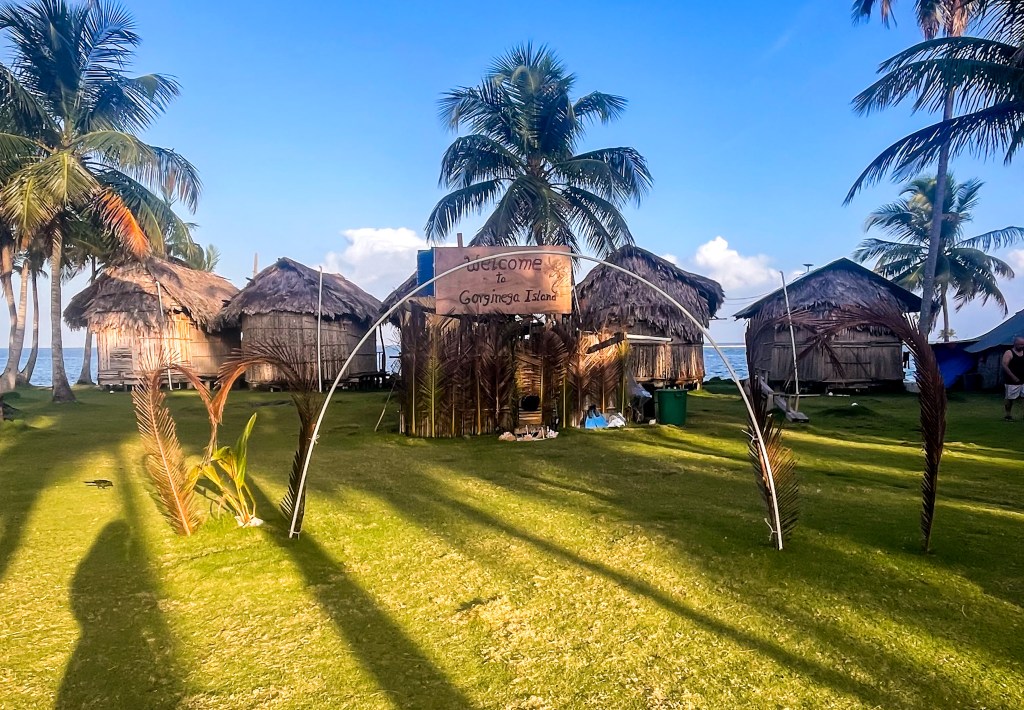
One of the things that bothered me were the ants in my room. I had opted for a private room, but it wasn’t really a room—more like a basic hut with a door. Ants were crawling everywhere: over my belongings, my sunscreen, and even my toothbrush inside my toiletry bag. It was far from ideal, to say the least.
My private room didn’t include a private bathroom, but it did come with a beautiful private terrace—though it later caused some issues during my stay. The view from the terrace was stunning, but at night, I felt like our wooden hut might flood, and it actually did during one heavy rainstorm. The sound of the waves crashing beneath the hut was so loud that it made sleeping nearly impossible. By the end, I couldn’t wait to leave and finally get a proper night’s sleep.
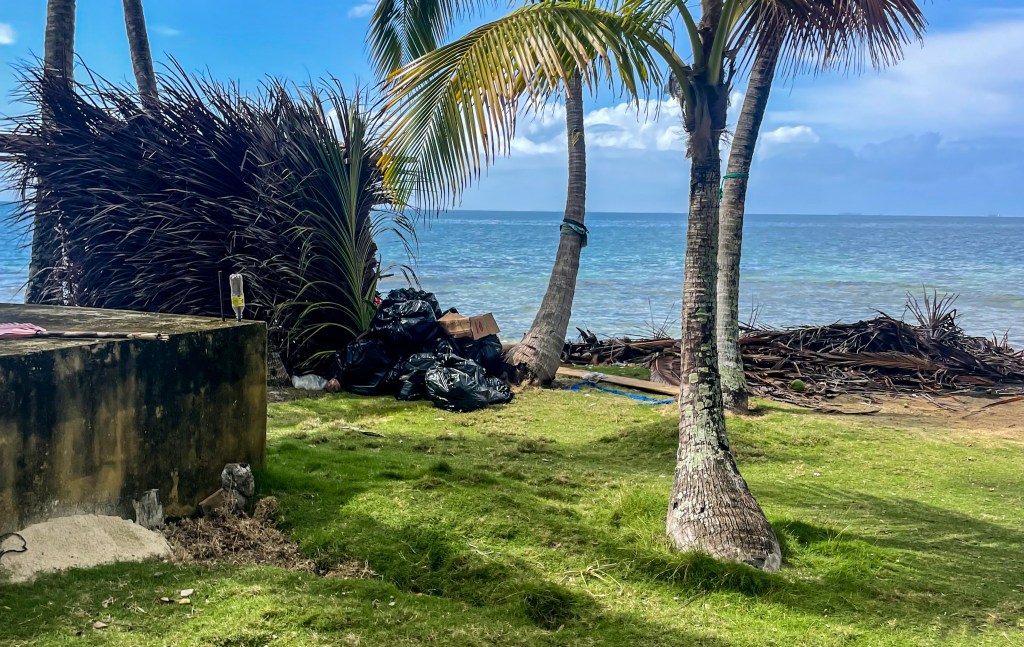
One of the things that bothered me the most during my stay was the trash scattered all over the island. It was everywhere—on the beach, under my small hut, and even in strange places where plastic bags full of garbage were piled up. One day, they were actually burning the trash, which was particularly unpleasant. I can handle no food, no shower, and no internet, but please, don’t burn trash near my accommodation. This was one of the things that really put a damper on the vacation experience.
One of the best features of this destination, which isn’t offered elsewhere, is the complete disconnect from the outside world. There is no phone service, and the internet barely works, making it an ideal place for a truly undisturbed vacation. Additionally, the water’s colors are incredibly relaxing, with a stunning light blue hue that adds to the serene atmosphere. However, this beauty is only fully realized on sunny days. On cloudy or rainy days, the colors change dramatically, and the experience can feel less enjoyable, especially if the amenities are subpar.
That said, otherwise, I had a somewhat relaxing stay. It’s worth noting that speaking Spanish is essential if you want to communicate with the Guna Yala working staff on the island. They are incredibly friendly and eager to help with any issues you might have, always doing their best to find a solution.
MEALS:
As I mentioned in the “what to bring” list, it’s a good idea to pack some water and snacks. While three meals per day are included in the package—breakfast at 6:30 AM, lunch at 11:30 AM, and dinner at 6:30 PM—the menu is repetitive. Lunch and dinner are identical, featuring the same fish dish served twice a day for all three days. On some days, chicken was also available. Bringing a few extra snacks will help keep things interesting!
Here’s a tip: plan to attend your meals one hour later than the scheduled times. Without fail, the food always arrived an hour late, and we found ourselves sitting at the table, waiting for an hour. Adjusting your timing will save you from unnecessary delays!

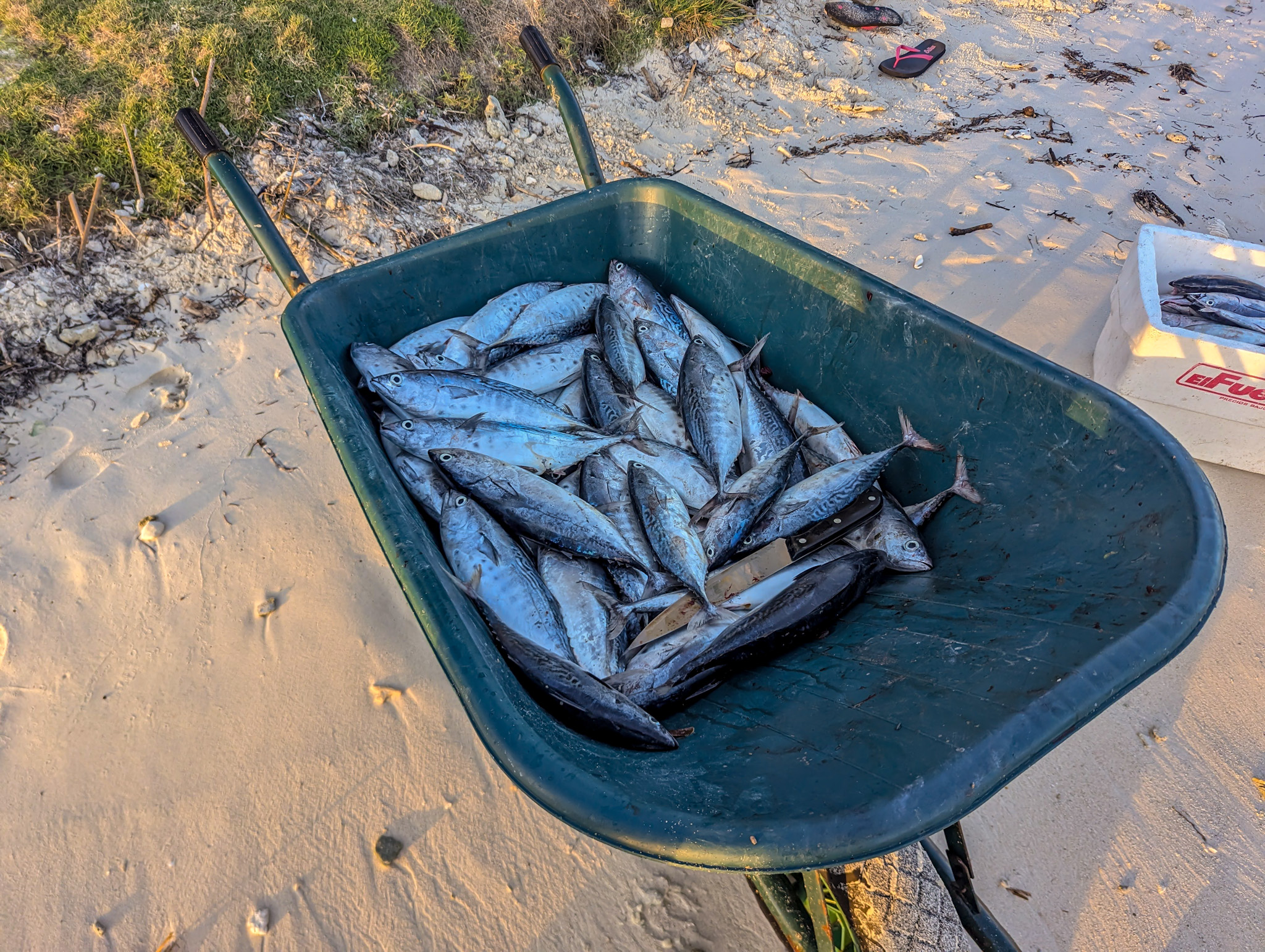
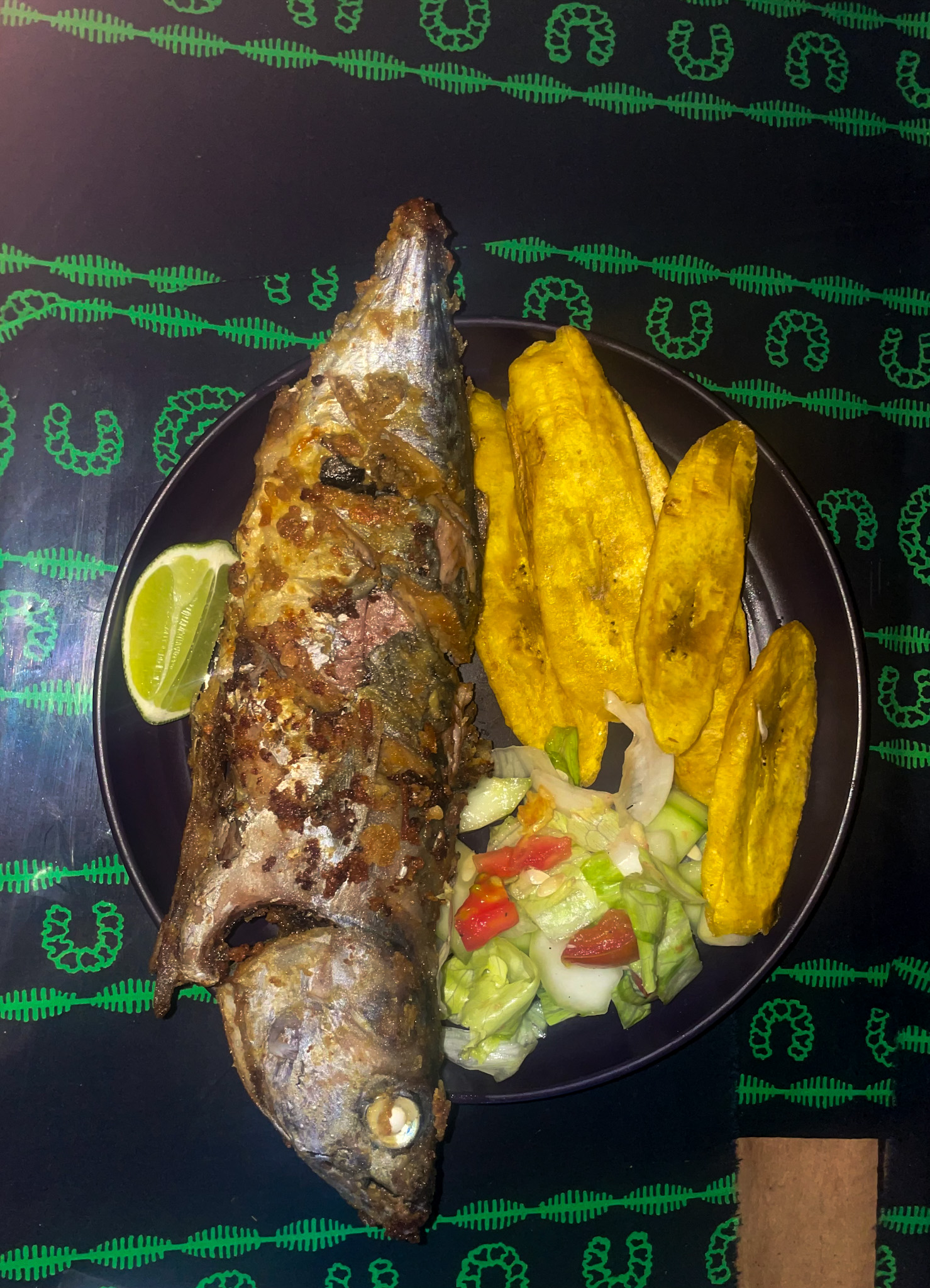
Breakfast consists of a single fried egg, served alongside two lightly fried, subtly sweet breads, a slice of watermelon, and a piece of pineapple. For both lunch and dinner, the menu remains unchanged: fish accompanied by simple side dishes, which vary between plantains or rice. Occasionally, chicken is offered as an alternative to fish, but this is the extent of the culinary options available.
The only thing you can buy on the island is internet access, which costs $6 for a Wi-Fi password. However, keep in mind that it doesn’t always work reliably. Other items available for purchase include beverages: Balboa, a Panamanian beer in a can for $2, Corona beer for $3, and bottled water for $1. The prices are reasonable if that’s your vibe, but options are quite limited.
I have to be honest—I stayed on the island for 3 nights and 4 days, but I couldn’t wait to return to Panama City for a proper cup of coffee and a satisfying meal. While I can’t say I was hungry during my stay, I definitely missed the variety of fruits, meats, and meals in general. The repetitive menu left me longing for the culinary diversity that Panama City is known for.
THE DAILY TRIPS
While on the island, a variety of activities are provided. Stand-up paddleboards (SUPs), snorkeling masks, a grass volleyball court, and a football field are always available.
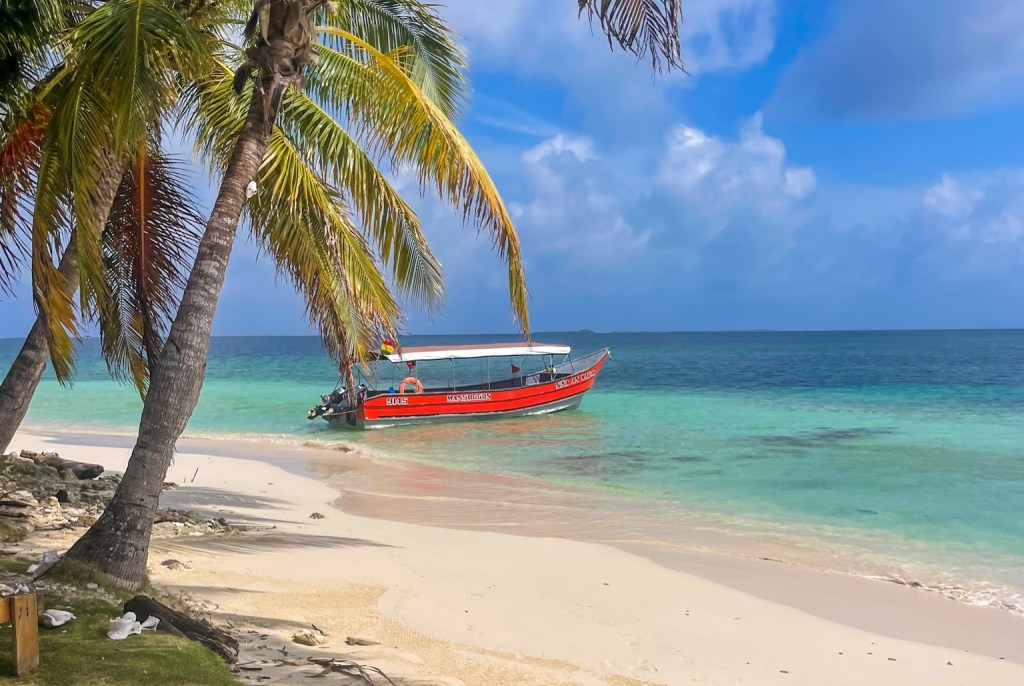
If you’re up for exploring the archipelago, you can book a snorkeling tour (around 30 dollars) at Cayos Holandeses, known for its crystal-clear blue waters. This tour is only worth taking on a sunny day, as on a cloudy day, the sea changes color and the experience is not the same.
It is also possible to take a tour to an authentic Guna Yala island, home to the Guna community. Here, visitors can observe their way of life and interact with curious children who often greet tourists warmly. The entrance fee is approximately $3. On this island, you can purchase handmade products such as traditional clothes, bracelets, and shirts adorned with symbols of the Guna Yala community.
One thing is certain: do not expect any luxury. Once you’ve made peace with that, you’ll be just fine.
Everything said, this was my experience, and I don’t want to discourage you from booking your adventure. My intention is simply to share all the information upfront so you can be fully prepared for anything that might come your way.
-Travel Tip Tab
 Travel Tip Tab